

 实景预览
实景预览
 发送
发送 分享
分享
 详情
详情 指南
指南

 下载图片
下载图片
 相似作品
相似作品 X射线
X射线 幻灯片播放
幻灯片播放 统计数据
统计数据Solon and Croesus
 Oil On Canvas
- WallArt
- Baroque
 1624
1624 169.0 x 210.0 cm
 漢堡藝術畫廊
 阅读全文
阅读全文
艺术微喷/版画
博物馆级艺术微喷或帆布版画,制作高效,并提供多种饰面选择。 ( 订购此收藏品的纯手工复刻画作 切换至数字图像销售渠道)




P118B ¥10

P118H ¥10

P118W ¥10

P438Z ¥10

P508JH ¥12

P508YH ¥12

P805H ¥10

P805Z ¥10

P919BZ ¥10

P919G ¥10

P919XJ ¥10

P959ZH ¥10

P968JZ ¥12

W106C ¥8

W218G ¥10

W218JH ¥8

W218Y ¥10

W307PJ ¥10

W316G ¥10

W316PJ ¥8

W316Y ¥10

W398PJ ¥8

W4111J ¥10

W500HY ¥15

W500JH ¥15

W692G ¥12

W849H ¥8

W940BG ¥15

W953PJ ¥8




您可以从与原作比例一致的预设尺寸中进行选择。

请输入您所需的宽度和高度,以适配您的画框或墙面。由于印刷品只能进行裁剪,无法超出原图尺寸,因此若比例不一致,画面的一部分将会被裁切。在正式印刷之前,我们会为您发送一份数字效果图供您确认。本页面显示的图片并非最终裁剪后的效果——只有效果图才能展示真实的裁剪情况。


 玻璃选项仅适用于110厘米以下的尺寸。

Solon and Croesus
艺术微喷/版画
复刻品尺寸说明
-


总计金额
¥ 538
Solon and Croesus: A Baroque Drama of Wisdom and Wealth
Gerard van Honthorst’s “Solon and Croesus,” painted in 1624, isn't merely a historical depiction; it’s a meticulously crafted tableau brimming with dramatic tension and profound philosophical weight. Emerging from the Utrecht Caravaggisti School, Honthorst, nicknamed "Gherardo delle Notti" for his mastery of evocative light and shadow, transports us to a pivotal moment in Greek legend – the encounter between the sage Solon and the fabulously wealthy King Croesus. The painting captures not just an event, but the very essence of wisdom versus material prosperity, rendered with the intensity characteristic of the Baroque period.
The scene unfolds within a shallow space, creating a sense of immediacy and drawing the viewer directly into the conversation between these two iconic figures. Croesus, resplendent in crimson robes and adorned with a golden crown, sits upon his throne – a symbol of absolute power and earthly dominion. His posture exudes confidence, yet beneath the surface lies an unsettling vulnerability. Opposite him stands Solon, depicted in stark contrast: clad in simpler attire, he gestures emphatically towards the viewer, as if imparting a crucial lesson. The composition is dominated by strong diagonals, guiding our eye across the scene and amplifying the sense of movement and urgency. Honthorst’s masterful use of *tenebrism*, a technique borrowed from Caravaggio, plunges much of the canvas into deep shadow, highlighting key elements – Croesus's face, his crown, and Solon’s outstretched hand – while leaving other areas shrouded in darkness. This dramatic lighting not only creates visual interest but also underscores the central theme: the contrast between light and knowledge versus the obscurity of wealth.
A Masterclass in Baroque Technique
Honthorst's skill as a painter is immediately apparent in the meticulous detail with which he renders textures and fabrics. The richness of Croesus’s robes, the smoothness of his crown, and the intricate folds of Solon’s garment are all rendered with remarkable precision. Notice the subtle variations in color – the deep reds and golds contrasted against the muted browns and grays – creating a sense of depth and realism. The artist's brushwork is visible, adding to the painting’s tactile quality. The rough texture of the stone walls behind the figures, the delicate details of the lute held by the old matchmaker, all contribute to a heightened sense of presence. Honthorst doesn’t shy away from depicting imperfections; these deliberate choices enhance the overall realism and imbue the scene with an authentic feel.
Furthermore, the painting's color palette is carefully considered. The dominant hues—rich reds, golds, and browns—evoke a sense of opulence and grandeur, reflecting Croesus’s immense wealth. However, these vibrant colors are tempered by darker tones, creating a dynamic interplay between light and shadow that mirrors the philosophical tension at the heart of the scene. The use of *chiaroscuro*, or strong contrasts between light and dark, is particularly effective in drawing attention to key elements and intensifying the emotional impact of the narrative.
Symbolism and its Enduring Relevance
“Solon and Croesus” is replete with symbolic meaning. Croesus’s wealth, represented by the overflowing vessels filled with gold and silver, becomes a symbol of earthly possessions – ultimately fleeting and insufficient to guarantee happiness or wisdom. Solon's gesture, pointing towards the viewer, suggests that true understanding lies beyond material gain. The old matchmaker, a figure of experience and perhaps even cynicism, represents the practical realities of life, highlighting the potential pitfalls of unchecked ambition. The story itself—a cautionary tale about the dangers of pride and the value of humility—resonates powerfully across centuries. It speaks to our own anxieties about wealth, power, and the pursuit of happiness.
A Timeless Masterpiece for Collectors and Designers
Reproductions of “Solon and Croesus” offer a captivating glimpse into the dramatic world of Baroque art. Its powerful composition, masterful technique, and profound symbolism make it an ideal addition to any collection or interior space. The painting’s rich colors and dynamic lighting will add depth and visual interest to any room, while its timeless message continues to resonate with viewers today. Consider a high-quality print for a study, a grand salon, or even a sophisticated entryway – this iconic artwork is sure to spark conversation and inspire contemplation.
问答详情
在 赫伦多特 (Hèlénduōtè) 的《Solon and Croesus》 中,艺术流派与时代背景是如何交汇的?
在赫伦多特 (Hèlénduōtè) 的《Solon and Croesus》中,Baroque运动与近代早期时代交相辉映。
我可以使用增强现实技术在我的房间里预览 赫伦多特 (Hèlénduōtè) 的《Solon and Croesus》 吗?
通过作品的 AR 预览 页面,您可以在兼容设备上使用增强现实技术,在自己的墙面上预览 赫伦多特 (Hèlénduōtè) 的《Solon and Croesus》。
赫伦多特 (Hèlénduōtè) 的《Solon and Croesus》 的整体基调是什么?
赫伦多特 (Hèlénduōtè) 的《Solon and Croesus》 的艺术氛围被描述为 Dramatic。这种分类有助于将作品与特定的空间环境相匹配。
艺术家简介
光影大师:杰拉德·凡·洪索尔特的一生与艺术
杰拉德·凡·洪索尔特,1592年诞生于荷兰乌得勒支,是荷兰黄金时代一位举足轻重的画家。他以其戏剧性的艺术风格照亮了那个时代的画坛。最初在父亲——一位装饰画家的指导下学习绘画,年轻的杰拉德很快在亚伯拉罕·布鲁梅特的教导下打下了扎实的素描和构图基础。然而,真正改变他艺术发展轨迹的是前往罗马的那段旅程。在那里,在意大利巴洛克艺术蓬勃发展的氛围中,他遇到了卡拉瓦乔的开创性作品——这次相遇定义了他独特的绘画风格,并为他赢得了“夜之杰拉多”(Gherardo delle Notti)这个富有诗意的绰号。明暗对比法(tenebrism),一种运用强烈光影对比的技巧,成为了洪索尔特的标志,赋予他的画布一种强烈的戏剧性和情感张力。但他并非简单地模仿卡拉瓦乔,而是将这位意大利大师的创新融入了独特的荷兰气质,专注于用人工光源——蜡烛、灯具和火焰——照亮的亲密场景,营造出既真实又充满戏剧性的氛围。这种对光线的掌握不仅仅是技术上的娴熟,更是一种揭示人物性格、将观众带入每个场景情感核心的方式。从罗马声誉到荷兰精湛技艺
洪索尔特在罗马的时光充满了成功和赞助。他受到了城市精英阶层的青睐,包括文森佐·吉斯蒂尼安尼,为他创作了气势恢宏的《基督在祭司面前》,这幅作品充分展现了他对光影的精湛掌控力。这幅画作现藏于伦敦国家美术馆,不仅展示了他的技术技巧,也体现了他能够在人物中传达深刻心理深度的能力。他还通过为科西莫二世·德·美第奇,托斯卡纳大公的工作,巩固了自己的声誉,展现出一种适应性和多才多艺的品质,这将在他整个职业生涯中发挥作用。大约在1620年返回乌得勒支后,洪索尔特迅速成为荷兰共和国一位领先的肖像画家。他不仅能捕捉人物的外貌特征,还能描绘出他们的人物性格和社会地位,因此备受富商、贵族甚至皇室的追捧。1623年,他当选为乌得勒支圣卢克行会主席,这证明了他日益增长的影响力。这一时期涌现了大量的委托作品,使洪索尔特能够完善他的风格并确立他在荷兰绘画中的独特声音。宫廷艺术家:委托与合作
洪索尔特的才华不仅限于荷兰境内。他的作品引起了英国贵族爵士达德利·卡莱顿的注意,后者热情地向伊丽莎白·波希米亚伯爵夫人和多切斯特勋爵等显赫人士推荐了他。这促成了与查理一世的妹妹伊丽莎白·波希米亚女王的委托合作,她雇佣洪索尔特为她的孩子们担任画家和绘画导师。这些皇室联系最终促成了重要的作品,例如现在藏于汉普顿宫的作品——描绘查理和亨利埃塔·玛丽亚作为狄安娜和阿波罗的神话寓言画作。洪索尔特乐于与其他艺术家合作也体现了他的开放心态和艺术慷慨。他曾热情地接待彼得·保罗·鲁本斯在乌得勒支的访问,甚至为他创作了一幅有趣的场景,描绘狄奥根尼寻找诚实的人——这证明了这两位巴洛克巨匠之间的相互尊重。虽然一些合作作品,例如《基督被捕》,最初仅归功于洪索尔特,但现代学术研究表明其他艺术家也做出了贡献,突显了这个时期艺术创作的复杂动态。这些合作不仅仅是分担工作量,更是丰富了艺术景观的思想交流。遗产与乌得勒支卡拉瓦乔派
杰拉德·凡·洪索尔特的影响远远超出了他的一生。他是*乌得勒支卡拉瓦乔派*运动的关键人物——一群荷兰画家拥抱了卡拉瓦乔的戏剧性现实主义和明暗对比法。与亨德里克·特·布鲁根和迪尔克·凡·巴布伦等艺术家一起,他帮助确立了一种独特的荷兰风格对意大利巴洛克艺术的诠释。他对用人工光线照亮的类型场景、精湛的肖像画以及通过娴熟的明暗对比法传达情感深度的能力,在荷兰黄金时代绘画的发展中留下了不可磨灭的印记。甚至他的兄弟威廉·凡·洪索尔特也追随了他的脚步,但由于风格相似性,经常有作品被误认为是杰拉德的作品。- 洪索尔特的画作至今仍吸引着观众。
- 他戏剧性的美感和深刻的心理洞察力是持久的品质。
- 他在艺术史上巩固了自己的地位。

赫伦多特 (Hèlénduōtè)
1590 - 1656
快速概览
- Artistic Movement Or Style: 巴洛克,卡拉瓦主义
- Artists Or Movements Influenced By This Artist: ['乌得勒支卡拉瓦主义']
- Artists Who Influenced This Artist: ['卡拉瓦乔']
- Date Of Birth: 1590年
- Date Of Death: 1656年
- Full Name: 杰拉德·凡·洪索特
- Nationality: 荷兰国籍
- Notable Artworks (List Of Titles):
- 花园中的基督
- 晚餐聚会
- 狄安娜与阿波罗
- Place Of Birth (City And Country): 荷兰乌得勒支
相关文章

Golden Light & Dutch Skies: The Timeless Magic of Dutch Golden Age Landscapes
Discover the breathtaking beauty of Dutch Golden Age landscapes. Explore the mastery of light, chiaroscuro, and 17th-century realism through an expert art history lens, celebrating the enduring legacy of the Dutch Masters for discerning collectors and art lovers.

Dutch Baroque Masters: 10 Paintings That Shaped an Era | OriginalUniqueArt
Journey through the Golden Age with our guide to the Top 10 Dutch Baroque masterpieces! Explore iconic paintings by Rembrandt, Vermeer & Frans Hals. Find museum-quality art reproductions and elevate your home decor at OriginalUniqueArt.com.
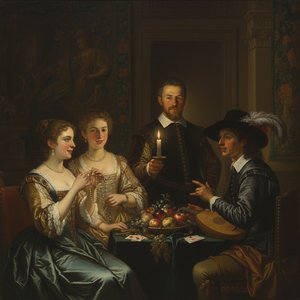
Gerard van Honthorst: Illuminating the Dutch Golden Age with Caravaggism & Courtly Grace
Explore the captivating world of Gerard van Honthorst, a Dutch Golden Age master renowned for his dramatic chiaroscuro & courtly portraits. Discover his life, art, and lasting influence on Baroque painting.

荷兰黄金时代:十幅定义艺术史的巨作 | OriginalUniqueArt
探索荷兰黄金时代的艺术巅峰! 伦勃朗、维米尔等大师名作,带您领略巴洛克艺术的辉煌。高清画作、博物馆级品质,点亮您的家居空间。OriginalUniqueArt.com 提供精选艺术复制品和定制装饰方案。立即在线探索全系列!

荷兰黄金时代绘画:文化创新中的现实主义反思
深入探索荷兰黄金时代绘画的文化创新与现实主义反思。本文解读伦勃朗、维米尔等大师的作品,并结合玛莉特·韦斯特曼的图像学研究,揭示艺术史背后的社会语境与现代性意识觉醒。
