切换至版画销售渠道
 展开全文
展开全文







































 对于任何边长超过 105 厘米(约 41 英寸)的艺术品或复制品,画框将以拆解后的组件形式发货。此方法可确保安全送达并防止运输过程中的损坏。


A Vision of Sacred Light: Gerard David's Triptych with the Nativity
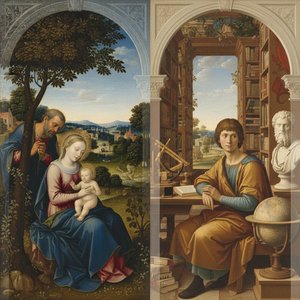
To stand before this magnificent Triptych with the Nativity is to step directly into the luminous heart of the early Netherlandish Renaissance. Dating from 1505, this work by Gerard David captures not merely an event, but a profound moment of divine revelation. The composition itself, divided into three distinct yet interconnected panels, guides the viewer through the narrative arc of the Holy Family's arrival in Bethlehem. One senses immediately the meticulous craftsmanship characteristic of Flemish masters—a dedication to detail that elevates religious storytelling into breathtaking visual poetry.
Mastery of Light and Form
Gerard David was renowned for his ability to manipulate light, a quality evident throughout this piece. The technique employed showcases the rich oil painting tradition of the period, allowing the soft glow emanating from the manger scene to contrast beautifully with the deeper shadows in the surrounding architecture and figures. Observe how the light seems to illuminate Mary and Joseph, bestowing upon them an ethereal grace. In the central panel, the depiction of the angel holding the lamb over the newborn Jesus is particularly arresting; here, David uses subtle gradations of tone to suggest both the fragility of new life and the overwhelming presence of the divine. The inclusion of surrounding figures, each rendered with distinct individuality, populates the scene with human drama against a backdrop that feels both monumental and intimate.
Symbolism Woven into the Scene
The symbolism within this triptych is rich and multilayered, inviting contemplation from every corner. Beyond the central Nativity grouping, the flanking panels expand the narrative scope. The presence of angels in various poses—one bearing a bowl and spoon, perhaps alluding to the gifts of the Magi or ritual offerings—adds layers of theological meaning. Each figure seems imbued with purpose; they are not mere bystanders but participants in an eternal moment. The very structure of the triptych suggests revelation unfolding sequentially, guiding the viewer from one aspect of the mystery to the next.
A Timeless Presence for Modern Spaces
For the collector or designer seeking a piece that speaks of enduring artistry and deep history, this reproduction offers an unparalleled connection to the Northern Renaissance. While its original context was devotional, its sheer aesthetic power allows it to anchor any grand hall, library, or sacred space with unmatched gravitas. The combination of meticulous detail, masterful handling of light, and profound narrative depth ensures that this artwork does more than decorate; it elevates the spirit. Owning a reproduction of Gerard David’s work is to possess a tangible piece of artistic history, allowing the serene beauty of 1505 to resonate softly into the modern day.
常见问题与解答
考虑到其色彩搭配,建议将 杰拉尔·大卫 (Jié Lā Ěr · Dà Wèi) 的《Triptych with the Nativity》 悬挂在哪个房间?
凭借其Earthy的色调,杰拉尔·大卫 (Jié Lā Ěr · Dà Wèi) 的《Triptych with the Nativity》非常适合布置在Living Room中。其色彩搭配正是这一推荐的核心原因。
在杰拉尔·大卫 (Jié Lā Ěr · Dà Wèi)的创作生涯中,"Triptych with the Nativity"处于怎样的地位?
"Triptych with the Nativity" 是 杰拉尔·大卫 (Jié Lā Ěr · Dà Wèi) Northern Renaissance 时期的代表作,其创作主题涵盖了 flemish renaissance religious narrative art, devotional focus on christ's birth, mastery of detailed naturalism, early career devotional cycle work。
在“Triptych with the Nativity”中,哪种颜色最为醒目?
Espresso (#5e5046) 是 杰拉尔·大卫 (Jié Lā Ěr · Dà Wèi) 的《Triptych with the Nativity》 的主导色。
 实景预览
实景预览
 分享
分享 分享
分享
 详情
详情 指南
指南

 下载作品
下载作品
 相似作品
相似作品 X射线
X射线 幻灯片播放
幻灯片播放 问答
问答 统计数据
统计数据