切换至版画销售渠道
 展开全文
展开全文







































 对于任何边长超过 105 厘米(约 41 英寸)的艺术品或复制品,画框将以拆解后的组件形式发货。此方法可确保安全送达并防止运输过程中的损坏。


A Meditation on Faith: Exploring Georges de La Tour’s “St Jerome”
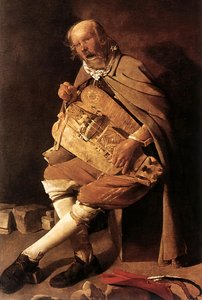
The painting "St Jerome" by Georges de la Tour, completed in 1630, transcends mere depiction; it embodies a profound spiritual contemplation captured within the masterful manipulation of light and shadow—a hallmark of the artist's distinctive Baroque style. More than just a portrait of Saint Jerome, the hermit ascetic, De La Tour’s work delves into the very essence of piety and inner devotion, inviting viewers to participate in a silent dialogue with faith itself.- Subject Matter & Composition: The central figure—Jerome—kneels before a table laden with books, illuminated by a single candle flame that casts dramatic shadows across his face and garments. This deliberate arrangement isn’t accidental; it underscores the importance of introspection and prayer as pathways to spiritual enlightenment. Jerome's posture exudes humility and seriousness, conveying a palpable sense of solitude amidst intellectual pursuits.
- Style & Technique: De La Tour’s technique is characterized by tenebrism—a radical departure from Renaissance chiaroscuro—where intense contrasts between light and darkness dominate the canvas. This dramatic effect isn't merely stylistic; it serves a theological purpose, symbolizing God’s divine illumination piercing through the darkness of human imperfection. The artist meticulously renders textures with painstaking detail, capturing the folds of Jerome’s robe and the worn surface of the books to heighten realism.
Historical Context: Baroque Piety and Artistic Innovation
Painted during the height of the Catholic Counter-Reformation, “St Jerome” reflects the fervent religious fervor of its time. The Baroque period witnessed a renewed emphasis on emotion and dramatic expression—a reaction against the perceived intellectual dryness of earlier artistic movements. De La Tour’s work aligns perfectly with this trend, aiming to inspire piety and evoke spiritual awe in the viewer. Furthermore, he stands as one of the foremost practitioners of tenebrism, pushing the boundaries of artistic convention and establishing a precedent for future generations.- Symbolism: The candle flame represents divine grace—the guiding light illuminating Jerome’s soul—while the books symbolize knowledge and contemplation. Jerome's gaze is directed upwards, suggesting an aspiration towards God and highlighting the importance of spiritual reflection. The muted colors contribute to the overall atmosphere of solemnity and reverence.
- Emotional Impact: Viewing “St Jerome” evokes a feeling of quiet melancholy mingled with profound serenity. De La Tour’s masterful use of light and shadow compels contemplation, prompting viewers to consider themes of faith, humility, and inner peace. It's an image designed not merely to observe but to experience—a testament to the artist’s ability to translate spiritual concepts into visual form.
A Legacy Enduring Through Reproduction
Today, reproductions of “St Jerome” grace homes and galleries worldwide. OriginalUniqueArt.com offers exceptional quality prints that faithfully capture De La Tour's luminous artistry, allowing collectors and interior designers alike to appreciate the enduring beauty and spiritual depth of this iconic Baroque masterpiece. Bringing this evocative image into your space is an invitation to engage in a timeless dialogue with faith—a connection forged centuries ago by one of art history’s most visionary artists.常见问题与解答
乔治·德·拉图尔 的《St Jerome》 的版权情况是如何界定的?
乔治·德·拉图尔 的作品《St Jerome》已进入 属于公有领域 —— 其版权已过期。版权期限自艺术家逝世之日起计算,乔治·德·拉图尔 于 1652 年逝世。
乔治·德·拉图尔 的《St Jerome》 的创作年代与艺术风格是什么?
乔治·德·拉图尔 的《St Jerome》创作于1630年,属于Baroque流派。
在乔治·德·拉图尔反复探讨的主题中,"St Jerome"处于怎样的地位?
在乔治·德·拉图尔已记录的主题——religious devotion, baroque style, italian mannerism, penitence, spiritual introspection——之中,"St Jerome" 则将焦点转向了saint jerome, prayer, contemplation, religious symbolism, light and shadow, medieval figure, biblical scene。
 实景预览
实景预览
 分享
分享 分享
分享
 详情
详情 指南
指南

 下载作品
下载作品
 相似作品
相似作品 X射线
X射线 幻灯片播放
幻灯片播放 Q&A
Q&A 统计数据
统计数据