

 实景预览
实景预览
 发送
发送 分享
分享
 详情
详情 指南
指南

 下载图片
下载图片
 相似作品
相似作品 X射线
X射线 幻灯片播放
幻灯片播放 统计数据
统计数据Two Birds
 油画颜料
油画颜料- 墙面艺术品
- Cubism
 1955
1955 55.0 x 70.0 cm
 Tel Aviv Museum of Art
 阅读全文
阅读全文
购买高分辨率增强版数字图像,其品质远超在线预览。
每一份文件都由我们的内部专家使用先进工具与专业的后期润色技术精心打造。我们确保每一张图像都具备卓越的清晰度、精准的色彩还原度以及细腻的细节表现。
最终文件将在 72 小时内通过电子邮件交付,并针对专业、编辑及印刷用途进行了优化。其品质与顶级设计工作室、出版社和画廊所信赖的标准完全一致。
数字图像
下载高分辨率文件,用于个人展示、打印及创意项目。 ( 切换至版画销售渠道 订购此收藏品的纯手工复刻画作)
每份数字图像订单均包含的内容
专业级数字交付,品质无忧
选择 OriginalUniqueArt.com,您获得的不仅仅是一张图像——您收到的是经过专业级增强、精雕细琢的数字艺术作品,并享有满意保证。以下是您的订单中自动包含的所有内容:

即时邮件交付
您的高分辨率数字图像文件将在下单后 72 小时内通过电子邮件发送给您 —— 即可立即使用。

AI 增强型数字图像
您的艺术品经过专业优化,结合先进的 AI 技术与人工修饰,确保呈现极致的细节、清晰度与色彩准确度。

终身免费重发服务
不小心删除了文件或找不到了?没关系——我们将随时为您免费重发。

无需进口税费,始终如一
即刻拥有您的艺术作品,无需支付任何关税、税费或运费——数字下载始终免税。

色彩精准保障
我们通过专业工具与色彩管理技术,确保您的数字图像尽可能真实地还原原作色彩。

100天满意保证
如果您对所购数字图像不满意,我们将在100天内为您进行修改或提供100%的全额退款——无需任何理由。

100% 退款保证
不满意?在收到数字文件后的100天内,您可以申请全额退款——无需任何理由。

批量订购优惠
购买 3 张享 10% 折扣 - 购买 5 张享 15% 折扣 - 购买 10 张以上享 20% 折扣。非常适合创意项目、画廊及机构使用。
The Genesis of a Fragmented World
Georges Braque’s “Two Birds,” completed in 1955, isn't merely a depiction of avian forms; it’s a distilled essence of the artistic revolution brewing within early to mid-20th century France. Born in Argenteuil in 1882, Braque’s lineage—his father and grandfather were house painters—provided him with an invaluable understanding of material, structure, and the subtle language of form. This practical foundation, combined with his rigorous training at the École des Beaux-Arts, allowed him to dismantle traditional artistic conventions, paving the way for Cubism's radical departure from representational art. “Two Birds” embodies this shift—a deliberate fracturing of perspective and a reimagining of reality through geometric abstraction. The painting’s genesis lies within the intense collaboration between Braque and Pablo Picasso, a period marked by mutual influence and experimentation, as they wrestled with how to capture the essence of objects rather than simply mirroring their appearance.
The choice of oil on paper is significant. This medium lends itself beautifully to the layering and textural effects that define Braque’s style. The surface becomes a landscape of overlapping planes, each contributing to the overall sense of dynamism and spatial ambiguity. Notice how the brushstrokes aren't smooth or blended; they retain their individual character, creating a palpable energy within the composition. This technique reflects a move away from illusionistic depth towards an exploration of form itself—a core tenet of Cubism.
Deconstructing the Bird: Form and Symbolism
The two birds, rendered in varying stages of flight, are the painting’s central focus. Braque doesn't offer a realistic portrayal; instead, he dissects them into their fundamental geometric components – triangles, squares, and circles—and reassembles them on the paper. The black bird, positioned to the left, appears poised for launch, its form suggesting movement and potential. Conversely, the white bird, situated on the right, seems suspended in mid-air, a moment of quiet contemplation. This juxtaposition creates a compelling visual dialogue, hinting at contrasting states of being—action versus stillness, perhaps even life versus death.
Birds have long held symbolic weight across cultures. They represent freedom, aspiration, spirituality, and communication. In Braque’s work, these associations are subtly evoked through the birds' fragmented forms and their dynamic arrangement. The act of flight itself symbolizes transcendence—a reaching for something beyond the immediate, a desire to break free from constraints. The muted color palette – predominantly earth tones with subtle hints of grey and ochre – further reinforces this sense of groundedness while simultaneously suggesting an ethereal quality.
A Legacy in Fragmentation: Context and Influence
“Two Birds” was created during a period of profound artistic upheaval. The rise of Cubism, spearheaded by Braque and Picasso, challenged the established norms of Western art. It wasn’t simply about depicting objects; it was about presenting multiple viewpoints simultaneously, forcing the viewer to actively engage with the artwork and reconstruct its meaning. This approach resonated deeply with the intellectual climate of the time, reflecting a broader shift in philosophical thought towards relativism and subjectivity.
The painting's placement within Braque’s oeuvre—particularly considering his later explorations of collage – highlights his ongoing experimentation with materials and techniques. His work during this period demonstrates a willingness to embrace chance and accident, incorporating found objects and unconventional methods into his artistic practice. “Two Birds” stands as a testament to Braque’s innovative spirit and his enduring contribution to the development of modern art. It invites us to contemplate not just the beauty of the birds themselves, but also the very nature of perception and representation.
艺术家简介
乔治·布拉克:立体主义的先驱与艺术革新的探索
乔治·布拉克,1882年出生于法国阿尔居特维尔,是二十世纪最具影响力的画家之一。他的艺术生涯并非一蹴而就,而是经历了一系列深刻的转变和创新。早年在家乡勒阿弗尔,布拉克的父亲是一位房屋油漆匠,这使得他从小就接触了绘画材料和技巧,并培养了对形式与结构的敏感性。尽管最初也跟随父亲的脚步学习油漆技术,但艺术的天赋最终促使他进入勒阿佛尔美术学校深造。随后,他移居巴黎,在雨贝尔学院进修,在那里结识了玛丽·洛朗西和弗朗西斯·皮卡比亚等艺术家,为他早期的艺术发展奠定了基础。最初的作品受到印象派和后印象派的影响,但很快便受到了野兽主义的启发,这促使他在色彩运用上更加大胆奔放。从野兽主义到立体主义:艺术道路上的关键转折
1905年,布拉克开始尝试野兽主义风格,其特点是使用鲜艳、非自然的色彩和富有表现力的笔触。《耐心》等作品充分体现了这一时期的风格。他与亨利·马蒂斯和安德烈·德雷恩等人共同探索着艺术的边界。然而,布拉克的野兽主义并非简单的模仿,而是融入了他独特的思考方式,在保持色彩活力的同时,更加注重形式的结构和分析。1907年,他在巴黎秋季沙龙观看了保罗·塞尚的回顾展,塞尚对几何形态和多角度视角的强调,彻底改变了布拉克的艺术方向。塞尚的影响成为了布拉克艺术生涯中的一个重要转折点,也为他与毕加索共同开启立体主义奠定了基础。与毕加索的合作:立体主义的诞生与发展
1907年之后,布拉克与巴勃罗·毕加索开始了密切的合作,两人共同开创了立体主义这一革命性的艺术运动。他们打破了传统的透视和空间表现手法,将物体分解成几何形状,并从多个角度同时呈现出来,挑战了人们对视觉空间的认知。《房屋于埃斯塔克》等作品便是立体主义早期风格的代表作,展现了布拉克对形式结构的高度关注。在这一阶段,布拉克的画作色彩变得更加沉静,强调形式而非色彩,力求表现物体的整体存在感。创新与实验:拼贴艺术的探索
随着立体主义的发展,布拉克和毕加索开始尝试拼贴(collage)技术,将现实世界中的材料,如报纸碎片、墙纸和布料等,融入到绘画创作中。这一创新打破了绘画与雕塑之间的界限,模糊了艺术与生活的边界。《小鱼》等作品便是拼贴技术的典范,展现了布拉克对材料质感和空间关系的探索。布拉克在拼贴艺术上的贡献在于他将广告标语等日常元素融入到画面中,预示着后来波普艺术等关注媒体文化批判的艺术潮流。晚年风格与持久的影响
一战爆发后,布拉克的艺术生涯经历了一段中断期。战争结束后,他的风格逐渐从立体主义的严格形式中解放出来,开始探索更加个人化和抒情的题材。他重新燃起了对静物的兴趣,并融入了古典构图的元素。晚年的作品色彩更加柔和,画面氛围也更加宁静祥和。《柠檬》等作品体现了他对色彩和谐与形式结构的精妙把握。布拉克始终致力于探索形式、空间和表现之间的基本原理,不断尝试新的材料和技巧,直至1963年去世。他的艺术成就不仅影响了后世无数的艺术家,更彻底改变了我们对世界及其视觉呈现方式的理解。重要作品与艺术遗产
- 房屋于埃斯塔克:立体主义早期风格的代表作。
- 小鱼:拼贴技术的典范。
- 柠檬:晚年作品,体现了对色彩和谐与形式结构的精妙把握。
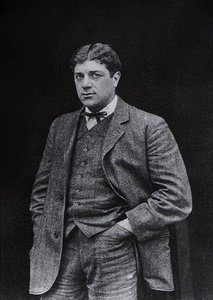
乔治·布拉克
1882 - 1963 , 法国
概览
- 全名: 乔治·布拉克
- 出生地点: 法国阿尔内维尔
- 出生日期: 1882年5月13日
- 去世日期: 1963年
- 受影响的艺术家或运动:
- 巴勃罗·毕加索
- 现代艺术
- 国籍: 法国
- 影响艺术家:
- 亨利·马蒂斯
- 安德烈·德雷恩
- 保罗·塞尚
- 艺术运动或风格: 立体主义,野兽派
- 著名作品:
- 房屋在勒斯塔克
- 《耐心》
- 小提琴与调色板
- 曼多拉