

 效果预览
效果预览
 购买印刷品
购买印刷品 分享
分享 分享
分享
 详情
详情

 下载
下载
 相似作品
相似作品 X射线
X射线 幻灯片播放
幻灯片播放Glasses and Bottle
 Acrylic On Canvas
- WallArt
- Analytical Cubism
 1912
1912- Modern
 73.0 x 54.0 cm
 展开详情
展开详情




P118B $10

P118H $10

P118W $10

P438Z $10

P508JH $12

P508YH $12

P805H $10

P805Z $10

P919BZ $10

P919G $10

P919XJ $10

P959ZH $10

P968JZ $12

W106C $8

W218G $10

W218JH $8

W218Y $10

W307PJ $10

W316G $10

W316PJ $8

W316Y $10

W398PJ $8

W4111J $10

W500HY $15

W500JH $15

W692G $12

W849H $8

W940BG $15

W953PJ $8




从与原作比例一致的预设尺寸中进行选择。

您可以输入自定义尺寸,以适配特定的画框或空间。如果所选尺寸与原图比例不符,我们将通过裁剪作品或添加手绘元素来扩展画面。数字样稿将在制作开始前发送给您确认。
请注意,屏幕预览无法准确反映实际的裁剪或扩展效果,只有样稿才能真实呈现最终的构图。
虽然我们提供定制尺寸服务,但为了保留原作比例,建议您从预设列表中选择尺寸。
下单后,OriginalUniqueArt.com 团队将通过电子邮件联系客户获取具体要求,并提供效果预览图。


 玻璃选项仅适用于110厘米以下的尺寸。

Glasses and Bottle
复制材质
复制品尺寸
-


最终总价
$ 300
A Study in Deconstruction: Georges Braque’s *Glasses and Bottle* (1912)
Georges Braque's Glasses and Bottle, painted in 1912, is a deceptively simple yet profoundly complex work that embodies the very essence of Analytical Cubism. Measuring 73 x 54 cm, this painting isn’t merely a depiction of everyday objects – a collection of bottles and glasses – but rather an intensely intellectual exploration of form, space, and perception as understood by one of the pioneers of modern art. The scene unfolds with a deliberate fragmentation, mirroring the artist's desire to dismantle traditional representational techniques and reveal multiple viewpoints simultaneously.
- The Analytical Approach: Created during the height of Braque’s engagement with Cubism, this piece exemplifies the “Analytical” phase. Unlike its later, more synthetic counterpart, Glasses and Bottle doesn't introduce collage or blended forms. Instead, it relentlessly dissects the subject into a series of interlocking geometric planes.
- Technique: Braque’s masterful use of muted earth tones – browns, ochres, and grays – contributes to the painting’s somber and contemplative mood. The application of paint is precise and deliberate, characterized by short, broken brushstrokes that build up layers of color and texture. This meticulous technique allows for a remarkable degree of visual complexity within a relatively small format.
Historical Context: A Revolution in Representation
Painted in 1912, *Glasses and Bottle* emerged from a period of intense artistic experimentation following the Impressionist movement. Braque, along with Pablo Picasso, was instrumental in developing Cubism, a revolutionary approach that challenged the established conventions of Western art. The rise of industrialization and scientific advancements – particularly developments in optics and perspective – profoundly influenced artists' thinking about how we perceive the world. Braque’s work reflects this shift, rejecting single-point perspective and instead presenting multiple viewpoints within a single image, reflecting the fragmented experience of modern life.
- Influence of Paul Cézanne: Braque was deeply influenced by the work of Paul Cézanne, particularly Cézanne’s exploration of form and space through geometric simplification. Cézanne's emphasis on underlying structure informed Braque’s approach to depicting objects in terms of their essential shapes rather than their superficial appearance.
- The Parisian Art Scene: The painting was created within the vibrant artistic hub of Paris, a city teeming with innovative ideas and challenging established norms. Braque’s studio was part of a network of artists pushing boundaries and redefining what art could be.
Symbolism and Emotional Resonance
While seemingly straightforward in its subject matter, *Glasses and Bottle* possesses a subtle emotional depth. The arrangement of the bottles and glasses – their varying sizes, positions, and reflections – creates a sense of visual tension and unease. The repetition of these mundane objects elevates them to something almost ritualistic, inviting contemplation on themes of domesticity, consumption, and perhaps even the anxieties of modernity. The fragmented forms suggest a destabilization of traditional values and beliefs.
- Deconstruction as Metaphor: Some art historians interpret the painting’s deconstructed form as a metaphor for the breakdown of established social structures and artistic conventions.
- The Power of Still Life: Braque elevated the humble still life to an unprecedented level of intellectual and formal complexity, demonstrating its potential as a vehicle for profound artistic exploration.
A Timeless Masterpiece – A Perfect Addition to Your Collection
This hand-painted reproduction of Georges Braque’s *Glasses and Bottle* offers a unique opportunity to own a piece of art history. Its intricate detail, masterful technique, and profound intellectual content make it a captivating addition to any collection or interior space. Whether you are an avid collector of modern art, an admirer of Cubism, or simply seeking a statement piece that sparks conversation, this reproduction is sure to inspire.
艺术家简介
乔治·布拉克:立体主义的先驱与艺术革新的探索
乔治·布拉克,1882年出生于法国阿尔居特维尔,是二十世纪最具影响力的画家之一。他的艺术生涯并非一蹴而就,而是经历了一系列深刻的转变和创新。早年在家乡勒阿弗尔,布拉克的父亲是一位房屋油漆匠,这使得他从小就接触了绘画材料和技巧,并培养了对形式与结构的敏感性。尽管最初也跟随父亲的脚步学习油漆技术,但艺术的天赋最终促使他进入勒阿佛尔美术学校深造。随后,他移居巴黎,在雨贝尔学院进修,在那里结识了玛丽·洛朗西和弗朗西斯·皮卡比亚等艺术家,为他早期的艺术发展奠定了基础。最初的作品受到印象派和后印象派的影响,但很快便受到了野兽主义的启发,这促使他在色彩运用上更加大胆奔放。从野兽主义到立体主义:艺术道路上的关键转折
1905年,布拉克开始尝试野兽主义风格,其特点是使用鲜艳、非自然的色彩和富有表现力的笔触。《耐心》等作品充分体现了这一时期的风格。他与亨利·马蒂斯和安德烈·德雷恩等人共同探索着艺术的边界。然而,布拉克的野兽主义并非简单的模仿,而是融入了他独特的思考方式,在保持色彩活力的同时,更加注重形式的结构和分析。1907年,他在巴黎秋季沙龙观看了保罗·塞尚的回顾展,塞尚对几何形态和多角度视角的强调,彻底改变了布拉克的艺术方向。塞尚的影响成为了布拉克艺术生涯中的一个重要转折点,也为他与毕加索共同开启立体主义奠定了基础。与毕加索的合作:立体主义的诞生与发展
1907年之后,布拉克与巴勃罗·毕加索开始了密切的合作,两人共同开创了立体主义这一革命性的艺术运动。他们打破了传统的透视和空间表现手法,将物体分解成几何形状,并从多个角度同时呈现出来,挑战了人们对视觉空间的认知。《房屋于埃斯塔克》等作品便是立体主义早期风格的代表作,展现了布拉克对形式结构的高度关注。在这一阶段,布拉克的画作色彩变得更加沉静,强调形式而非色彩,力求表现物体的整体存在感。创新与实验:拼贴艺术的探索
随着立体主义的发展,布拉克和毕加索开始尝试拼贴(collage)技术,将现实世界中的材料,如报纸碎片、墙纸和布料等,融入到绘画创作中。这一创新打破了绘画与雕塑之间的界限,模糊了艺术与生活的边界。《小鱼》等作品便是拼贴技术的典范,展现了布拉克对材料质感和空间关系的探索。布拉克在拼贴艺术上的贡献在于他将广告标语等日常元素融入到画面中,预示着后来波普艺术等关注媒体文化批判的艺术潮流。晚年风格与持久的影响
一战爆发后,布拉克的艺术生涯经历了一段中断期。战争结束后,他的风格逐渐从立体主义的严格形式中解放出来,开始探索更加个人化和抒情的题材。他重新燃起了对静物的兴趣,并融入了古典构图的元素。晚年的作品色彩更加柔和,画面氛围也更加宁静祥和。《柠檬》等作品体现了他对色彩和谐与形式结构的精妙把握。布拉克始终致力于探索形式、空间和表现之间的基本原理,不断尝试新的材料和技巧,直至1963年去世。他的艺术成就不仅影响了后世无数的艺术家,更彻底改变了我们对世界及其视觉呈现方式的理解。重要作品与艺术遗产
- 房屋于埃斯塔克:立体主义早期风格的代表作。
- 小鱼:拼贴技术的典范。
- 柠檬:晚年作品,体现了对色彩和谐与形式结构的精妙把握。
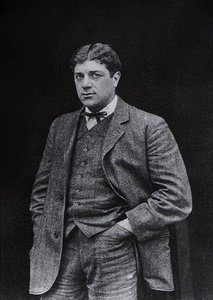
乔治·布拉克
1882 - 1963 , 法国
艺术家简介
- 全名: 乔治·布拉克
- 出生地点: 法国阿尔内维尔
- 出生日期: 1882年5月13日
- 去世日期: 1963年
- 受影响的艺术家或运动:
- 巴勃罗·毕加索
- 现代艺术
- 国籍: 法国
- 影响艺术家:
- 亨利·马蒂斯
- 安德烈·德雷恩
- 保罗·塞尚
- 艺术运动或风格: 立体主义,野兽派
- 著名作品:
- 房屋在勒斯塔克
- 《耐心》
- 小提琴与调色板
- 曼多拉
相关文章

乔治·布拉克:25幅大师杰作,重塑现代艺术与家居美学 | OriginalUniqueArt
探索乔治·布拉克25幅大师杰作,领略立体主义的魅力与现代艺术的精髓。从早期作品到经典油画,OriginalUniqueArt为您呈现法式优雅与家居装饰灵感。高清艺术复制品,点亮您的空间!立即在OriginalUniqueArt.com发现更多。

Echoes of Time: Exploring the Enduring Appeal & Historical Context of Vintage Art Prints
Explore the captivating world of vintage art prints! Discover their history, collecting tips & enduring appeal. Expert insights on chromolithography and building a legacy collection with OriginalUniqueArt.

Cubism Unveiled: How Picasso and Braque Redefined Modern Art through Geometric Revolution
Explore the revolutionary world of Cubism. Discover how Pablo Picasso and Georges Braque dismantled perspective to redefine modern art through geometric innovation and analytical mastery. An essential guide for art students, collectors, and history enthusiasts.
Cubism Unveiled: How Picasso and Braque Redefined Reality Through Geometric Abstraction
Explore the revolutionary world of Cubism. Discover how masters Pablo Picasso and Georges Braque dismantled reality through geometric abstraction to redefine modern art history.
Cubism Explained: How Picasso and Braque Shattered Reality to Redefine Modern Art
Master the complexities of Cubism with our expert guide. Explore how Picasso and Braque revolutionized modern art through fragmentation, multiple perspectives, and geometric innovation. Perfect for art students and collectors seeking deep historical insight.



