 定制手绘复刻品
 分享
分享 分享
分享
 详情
详情

 下载
下载
 相似作品
相似作品 X射线
X射线 幻灯片播放
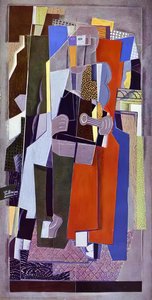
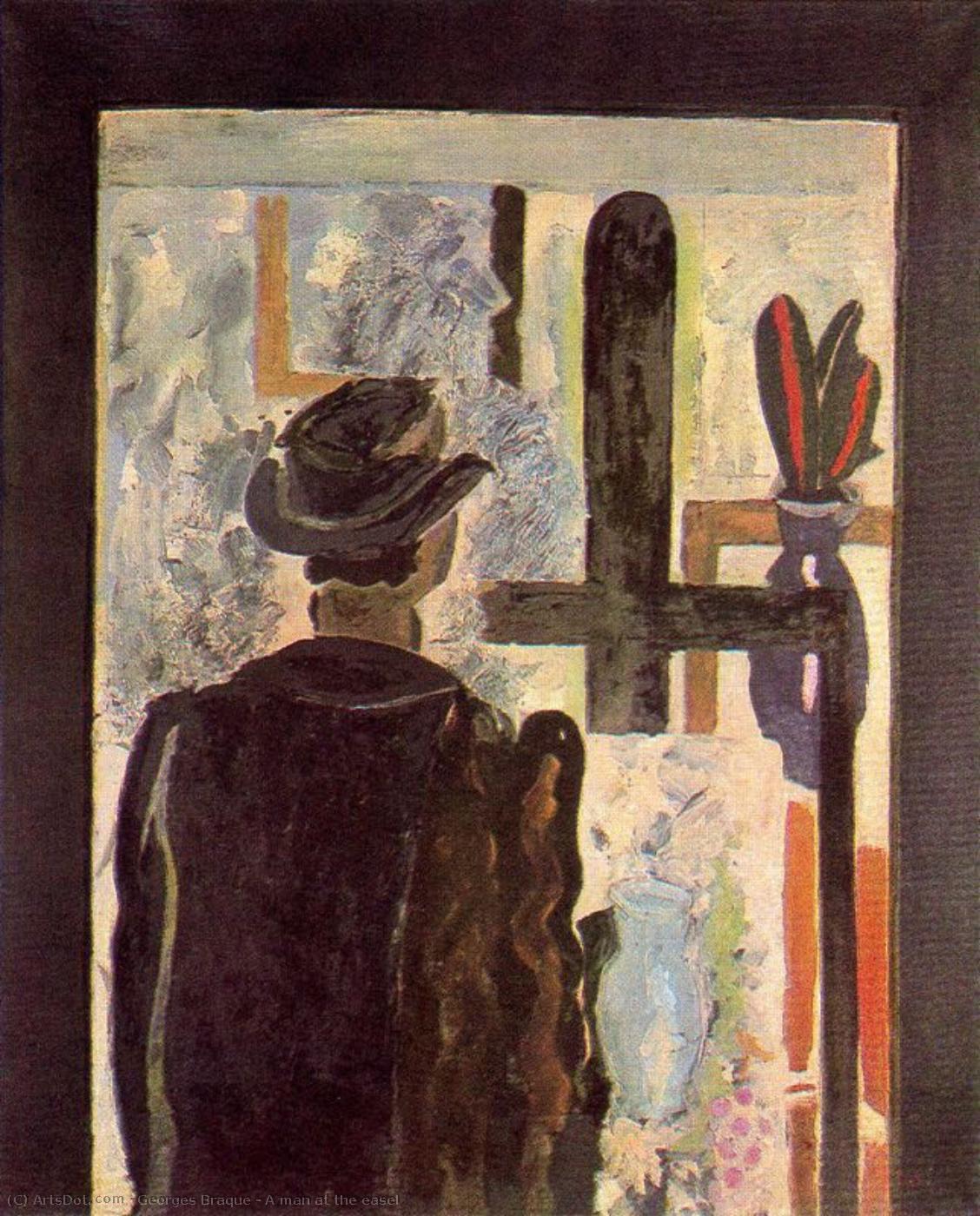
幻灯片播放A man at the easel


 展开详情
展开详情




































从与原作比例一致的预设尺寸中进行选择。

您可以输入自定义尺寸,以适配特定的画框或空间。如果您选择的尺寸与原图比例不符,我们将对作品进行裁剪,或通过镜像填充/纯色填充边缘的方式来扩展图像。在开始制作之前,我们会向您发送一份数字效果图供您确认。
请注意,屏幕上的预览并不能反映实际的裁剪或扩展效果。只有效果图才能准确展示最终的构图。
虽然我们提供定制尺寸,但为了保持原图比例,我们建议您从预设列表中选择尺寸。


 玻璃选项仅适用于110厘米以下的尺寸。

A man at the easel
艺术微喷/版画
复制品尺寸
-


最终总价
-
藏品详情
Georges Braque’s “A Man at the Easel”: A Window Into Cubism's Quiet Contemplation
The painting "A Man at the Easel," executed by Georges Braque in 1942, stands as a testament to the enduring power of quiet observation within the revolutionary fervor of Cubist art. More than just a depiction of an artist’s workspace—it’s a carefully constructed visual puzzle that invites viewers to delve into the complexities of perception and representation during a pivotal moment in artistic history. Braque's masterful use of oil on board captures not merely what is seen, but how it *feels* to see it, reflecting the core tenets of Cubism’s intellectual exploration.The Anatomy of Fragmentation: Style and Technique
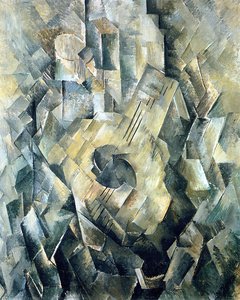
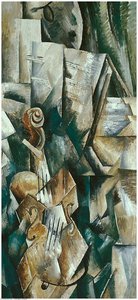
Braque’s stylistic approach firmly establishes him within the vanguard of Cubism alongside Pablo Picasso. Unlike Impressionists who sought to capture fleeting moments of light and color, Braque prioritized geometric abstraction—breaking down objects into fragmented planes that simultaneously exist in multiple viewpoints. This technique isn't merely about visual novelty; it’s a deliberate attempt to dismantle traditional illusionistic space, mirroring the artist’s own process of intellectual dissection. The painting exemplifies this brilliantly: the easel itself is fractured into interlocking shapes, suggesting not just its physical form but also the multifaceted nature of artistic creation. Notice how Braque utilizes subtle tonal variations—primarily muted browns and greens—to unify these disparate planes, creating a harmonious balance despite the inherent instability of the composition.A Reflection of Uncertainty: Historical Context
Created during World War II, “A Man at the Easel” embodies the anxieties and introspection characteristic of the era. The looming shadow of conflict underscores the painting’s contemplative mood—a stark contrast to the dynamism often associated with Cubism's earlier years. However, Braque wasn’t simply reacting to external pressures; he was actively grappling with fundamental questions about art’s role in confronting reality. The artist himself famously stated that he wished to “destroy” perspective and representation, aiming instead for a more profound engagement with the subject matter. This ambition aligns perfectly with the broader philosophical currents of Surrealism and Expressionism, which were influencing artists across Europe at the time.Symbolic Layers: Plants, Vase, and Window
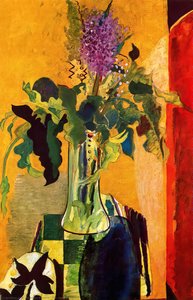
Beyond its formal concerns, "A Man at the Easel" is laden with symbolic significance. The potted plant—a recurring motif in Braque’s oeuvre—represents growth, resilience, and perhaps even a yearning for beauty amidst hardship. Its placement on the right side of the canvas draws the eye outwards, suggesting an aspiration beyond the confines of the studio. Similarly, the vase contributes to the overall sense of stillness and contemplation. The window itself is particularly noteworthy; its geometric shape—a stylized cross—introduces an element of architectural detail that simultaneously symbolizes faith and spiritual reflection. It’s as if Braque invites us to consider not just what we see but also what lies beyond our immediate perception.Emotional Resonance: Quiet Intensity
Ultimately, “A Man at the Easel” succeeds in conveying a remarkable emotional depth despite its apparent simplicity. The muted palette and fragmented composition evoke a feeling of quiet intensity—a sense that Braque is capturing not just an image but also a state of mind. It’s a painting that speaks to the artist's own inner world, mirroring his ongoing engagement with artistic innovation while simultaneously acknowledging the pervasive influence of historical circumstance. Reproductions offer a chance to experience this subtle yet powerful aesthetic – a glimpse into the heart of Cubist contemplation.艺术家简介
乔治·布拉克:立体主义的先驱与艺术革新的探索
乔治·布拉克,1882年出生于法国阿尔居特维尔,是二十世纪最具影响力的画家之一。他的艺术生涯并非一蹴而就,而是经历了一系列深刻的转变和创新。早年在家乡勒阿弗尔,布拉克的父亲是一位房屋油漆匠,这使得他从小就接触了绘画材料和技巧,并培养了对形式与结构的敏感性。尽管最初也跟随父亲的脚步学习油漆技术,但艺术的天赋最终促使他进入勒阿佛尔美术学校深造。随后,他移居巴黎,在雨贝尔学院进修,在那里结识了玛丽·洛朗西和弗朗西斯·皮卡比亚等艺术家,为他早期的艺术发展奠定了基础。最初的作品受到印象派和后印象派的影响,但很快便受到了野兽主义的启发,这促使他在色彩运用上更加大胆奔放。从野兽主义到立体主义:艺术道路上的关键转折
1905年,布拉克开始尝试野兽主义风格,其特点是使用鲜艳、非自然的色彩和富有表现力的笔触。《耐心》等作品充分体现了这一时期的风格。他与亨利·马蒂斯和安德烈·德雷恩等人共同探索着艺术的边界。然而,布拉克的野兽主义并非简单的模仿,而是融入了他独特的思考方式,在保持色彩活力的同时,更加注重形式的结构和分析。1907年,他在巴黎秋季沙龙观看了保罗·塞尚的回顾展,塞尚对几何形态和多角度视角的强调,彻底改变了布拉克的艺术方向。塞尚的影响成为了布拉克艺术生涯中的一个重要转折点,也为他与毕加索共同开启立体主义奠定了基础。与毕加索的合作:立体主义的诞生与发展
1907年之后,布拉克与巴勃罗·毕加索开始了密切的合作,两人共同开创了立体主义这一革命性的艺术运动。他们打破了传统的透视和空间表现手法,将物体分解成几何形状,并从多个角度同时呈现出来,挑战了人们对视觉空间的认知。《房屋于埃斯塔克》等作品便是立体主义早期风格的代表作,展现了布拉克对形式结构的高度关注。在这一阶段,布拉克的画作色彩变得更加沉静,强调形式而非色彩,力求表现物体的整体存在感。创新与实验:拼贴艺术的探索
随着立体主义的发展,布拉克和毕加索开始尝试拼贴(collage)技术,将现实世界中的材料,如报纸碎片、墙纸和布料等,融入到绘画创作中。这一创新打破了绘画与雕塑之间的界限,模糊了艺术与生活的边界。《小鱼》等作品便是拼贴技术的典范,展现了布拉克对材料质感和空间关系的探索。布拉克在拼贴艺术上的贡献在于他将广告标语等日常元素融入到画面中,预示着后来波普艺术等关注媒体文化批判的艺术潮流。晚年风格与持久的影响
一战爆发后,布拉克的艺术生涯经历了一段中断期。战争结束后,他的风格逐渐从立体主义的严格形式中解放出来,开始探索更加个人化和抒情的题材。他重新燃起了对静物的兴趣,并融入了古典构图的元素。晚年的作品色彩更加柔和,画面氛围也更加宁静祥和。《柠檬》等作品体现了他对色彩和谐与形式结构的精妙把握。布拉克始终致力于探索形式、空间和表现之间的基本原理,不断尝试新的材料和技巧,直至1963年去世。他的艺术成就不仅影响了后世无数的艺术家,更彻底改变了我们对世界及其视觉呈现方式的理解。重要作品与艺术遗产
- 房屋于埃斯塔克:立体主义早期风格的代表作。
- 小鱼:拼贴技术的典范。
- 柠檬:晚年作品,体现了对色彩和谐与形式结构的精妙把握。
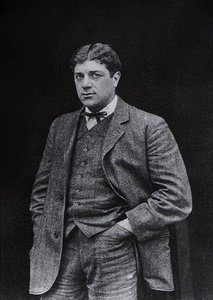
乔治·布拉克
1882 - 1963 , 法国
艺术家简介
- 全名: 乔治·布拉克
- 出生地点: 法国阿尔内维尔
- 出生日期: 1882年5月13日
- 去世日期: 1963年
- 受影响的艺术家或运动:
- 巴勃罗·毕加索
- 现代艺术
- 国籍: 法国
- 影响艺术家:
- 亨利·马蒂斯
- 安德烈·德雷恩
- 保罗·塞尚
- 艺术运动或风格: 立体主义,野兽派
- 著名作品:
- 房屋在勒斯塔克
- 《耐心》
- 小提琴与调色板
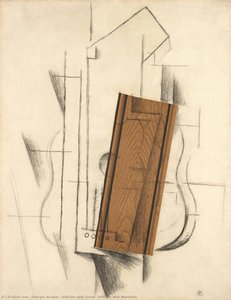
- 曼多拉
相关文章
超越复制:定制数字绘画照片打印的艺术价值与情感共鸣
OriginalUniqueArt®提供高品质定制数字绘画照片打印服务,超越复制,重塑情感记忆。专业艺术家团队,精湛技艺,个性化设计,打造独一无二的艺术品。立即咨询免费艺术顾问!
From Imagination to Canvas: Commissioning Bespoke Fantasy Art with Traditional Oil Painting Techniques
Commission breathtaking bespoke fantasy art with skilled oil painters. Explore techniques, artist selection & preservation tips. Invest in a unique masterpiece today!
解析立体主义:十部巨作定义艺术史潮流
探索立体主义的艺术魅力!本文精选十部定义了这场革命性运动的杰作,带您深入了解毕加索、布拉克等大师的创作故事与技法。从几何抽象到现代风格,感受色彩与形式的无限可能。OriginalUniqueArt.com为您提供博物馆品质的艺术品复制和家居美学灵感!
油画与印刷品:质感、光影与艺术传承的深度比较
OriginalUniqueArt提供高品质手绘油画复刻和定制服务,匠心工艺重现经典。个性化定制人像、风景油画,艺术品收藏专家咨询,让您的家充满艺术灵魂!100%满意保证,立即开启您的艺术之旅。

乔治·布拉克:25幅大师杰作,重塑现代艺术与家居美学 | OriginalUniqueArt
探索乔治·布拉克25幅大师杰作,领略立体主义的魅力与现代艺术的精髓。从早期作品到经典油画,OriginalUniqueArt为您呈现法式优雅与家居装饰灵感。高清艺术复制品,点亮您的空间!立即在OriginalUniqueArt.com发现更多。