
 实景预览
实景预览
 分享
分享 分享
分享
 详情
详情 指南
指南

 下载作品
下载作品
 相似作品
相似作品 X射线
X射线 幻灯片播放
幻灯片播放 问答
问答 统计数据
统计数据Fan

- 22.0 x 40.0 cm


 展开全文
展开全文
艺术微喷/版画
博物馆级艺术微喷或帆布版画,制作高效,并提供多种饰面选择。 ( 订购纯手工绘制画作 切换至数字图像销售渠道)




P118B ¥10

P118H ¥10

P118W ¥10

P438Z ¥10

P508JH ¥12

P508YH ¥12

P805H ¥10

P805Z ¥10

P919BZ ¥10

P919G ¥10

P919XJ ¥10

P959ZH ¥10

P968JZ ¥12

W106C ¥8

W218G ¥10

W218JH ¥8

W218Y ¥10

W307PJ ¥10

W316G ¥10

W316PJ ¥8

W316Y ¥10

W398PJ ¥8

W4111J ¥10

W500HY ¥15

W500JH ¥15

W692G ¥12

W849H ¥8

W940BG ¥15

W953PJ ¥8




您可以从与原作比例一致的预设尺寸中进行选择。

请输入您所需的宽度和高度,以适配您的画框或墙面。由于印刷品只能进行裁剪,无法超出原图尺寸,因此若比例不一致,画面的一部分将会被裁切。在正式印刷之前,我们会为您发送一份数字效果图供您确认。本页面显示的图片并非最终裁剪后的效果——只有效果图才能展示真实的裁剪情况。


 玻璃选项仅适用于110厘米以下的尺寸。

Fan
艺术微喷/版画
复刻品尺寸
-


最终结算价
¥ 543
A Whisper of Elegance: George Barbier’s “Fan” – A Dance of Deco Style
George Barbier's "Fan," painted in 1914, isn’t merely an illustration; it’s a portal into the heart of Art Deco’s opulent androgyny. This exquisite piece, now meticulously reproduced, captures a fleeting moment of sophisticated leisure within a world brimming with theatrical glamour and subtle symbolism. Barbier, a master orchestrator of visual style, didn't simply depict a fan; he constructed an entire atmosphere—a shimmering tableau vivant that speaks volumes about the era’s fascination with beauty, movement, and the blurring lines between masculine and feminine allure.
The artwork immediately draws the eye to its central subject: two figures engaged in a graceful dance within a richly appointed architectural setting. The composition is deliberately fluid, mirroring the delicate curve of the fan itself, creating a sense of perpetual motion. Barbier’s figures are rendered with an almost dreamlike quality—their poses suggest both intimacy and theatricality, hinting at a private performance unfolding before our eyes. Notice how their garments flow and drape, echoing the fan's intricate design, further emphasizing the interconnectedness of form and movement. The inclusion of a partially visible figure on the left adds to this sense of mystery, inviting us to imagine the narrative behind this captivating scene.
The Palette of Luxury: Color, Line, and Texture
Barbier’s masterful use of color is central to the artwork's impact. Deep blues, vibrant reds, shimmering golds, and creamy whites coalesce into a luxurious palette that evokes both opulence and sophistication. The contrast between the figures’ skin tones and the darker background creates a dramatic effect, highlighting their beauty while simultaneously emphasizing the setting’s grandeur. Barbier expertly employs strong, defined lines to delineate the figures' forms and architectural elements, lending the composition a sense of clarity and precision—a hallmark of Art Deco style. Furthermore, the texture is remarkably rendered; you can almost feel the smooth surface of the fan, the delicate folds of the fabric, and the subtle sheen of the gilded details.
The artwork’s lines aren't simply structural; they are imbued with a sense of dynamism. The ribs of the fan itself form a linear framework that reinforces the composition’s semi-circular shape, while geometric patterns subtly permeate the background, adding to the overall visual richness. These elements work in harmony to create an image that is both visually arresting and intellectually stimulating.
A Deco Dialogue: Symbolism and Historical Context
"Fan" is deeply rooted in the artistic currents of its time—specifically, the rise of Art Deco. Emerging in the 1920s, this style rejected the ornate excesses of previous eras, embracing streamlined forms, geometric patterns, and a fascination with exotic materials and cultures. Barbier’s work reflects these trends perfectly, incorporating elements of both classical mythology (evoked by the figures' poses) and modern design sensibilities. The fan itself—a symbol of elegance, refinement, and social status—takes on new significance within this context.
The scene subtly alludes to themes of courtship and performance, reminiscent of the lavish balls and theatrical productions that defined Parisian society during the early 20th century. Barbier’s meticulous attention to detail—from the intricate fan design to the luxurious fabrics—creates a world where beauty is paramount and social rituals are elevated to an art form. The artwork can be seen as a visual manifesto of Art Deco's celebration of glamour, sophistication, and the pursuit of pleasure.
Bringing “Fan” Home: Reproduction and Artistic Legacy
Today, George Barbier’s "Fan" continues to captivate audiences with its timeless beauty and evocative atmosphere. A meticulously crafted reproduction allows you to bring this exquisite artwork into your home or office, adding a touch of Deco elegance to any space. The high-quality print captures the original's rich colors and intricate details, while the canvas provides a durable and visually appealing surface. Whether displayed as a statement piece in a living room or incorporated into an interior design scheme, “Fan” is sure to spark conversation and admiration.
Consider this artwork not just as a decorative object, but as a window into a bygone era—a testament to the artistic vision of George Barbier and the enduring allure of Art Deco style. It’s a reminder that beauty, sophistication, and a touch of mystery can still be found in the most carefully crafted details.
艺术家简介
乔治·巴比埃:装饰艺术风格的优雅建筑师
乔治·巴比埃(George Barbier,1882-1932)不仅仅是一位插画家;他更是一位精密的风格建筑师,一位塑造了20世纪初美学景观的视觉叙事者。他出生于法国南特的一个艺术传统深厚的家庭——他的父亲是一位画家,表亲保罗·伊里布(Paul Iribe)则是著名的设计师——这使巴比撰承袭了对美的深刻鉴赏力以及将其转化为纸上笔触的天赋。尽管他的职业生涯相对短暂,却在时尚、戏剧和装饰艺术领域留下了不可磨灭的印记,确立了他作为装饰艺术(Art Deco)运动最杰出代表人物之一的地位。
巴比埃在巴黎美术学院(École des Beaux-Arts)接受的早期训练为他打下了坚实的古典素描功底,但真正点燃他创作灵魂的,是他在《美好时代画报》(La Gazette du Bon Ton)等杂志所围绕的活跃社交圈中的历练。他加入了一个紧密的艺术家团体——成员包括保罗·伊里布、贝尔纳·布特·德·蒙维尔(Bernard Boutet de Monvel)和乔治·勒帕普(Georges Lepape)——他们被亲切地称为“手镯骑士”,这个绰号反映了他们对华丽服饰与精致设计的偏爱。这种充满活力的环境促进了实验精神与艺术协作,推动着巴比埃去探索插画与设计的新路径。
时尚与戏剧的交响乐章
巴比埃的作品因其华丽的细节、错综复杂的图案以及对色彩的大师级掌控而具有极高的辨识度。他最初通过为时尚杂志(尤其是《美好时代画报》)创作插图而声名鹊起,在这些作品中,他以令人屏息的优雅捕捉到了巴黎社会的精神内核。他笔下的女性身着闪烁的礼服,点缀着羽毛、珠宝和华丽的发饰,这些不仅仅是肖像,更是微型的叙事诗,传递出一种魅力、精致甚至带有俏皮感官色彩的情调。他不仅是在描绘裙装,更是在围绕着它们创造出一个个完整的世界。
然而,巴比埃的才华远不止于时尚领域。他很快便成为戏剧制作中炙手可热的设计师,为谢尔盖·迪亚吉列夫(Sergei Diaghilev)的俄罗斯芭蕾舞团创作了惊艳的服装,并参与了巴黎福里·贝尔热歌舞剧院(Folies Bergère)华丽布景的设计。他的设计以异域风情为特征——将古埃及、波斯和远东的元素与装饰艺术的几何形式及奢华面料完美融合。他为由鲁道夫·瓦伦蒂诺(Rudolph Valentino)主演的剧目《卡萨诺瓦》(1928)所作的设计,奠定了他作为戏剧服装设计大师的声望。
褶边与流苏:视觉遗产
或许巴比埃最持久的遗产在于他的历书系列——《褶边与流苏》(Falbalas et Fanfreluches,1922-1926)。这些插图精美的书籍是他独特风格的展示窗口,是时尚、幻想与装饰图案的绚烂结合。每一页都是一件微型杰作,充满了细腻刻画的人物、复杂的纹样以及一种显而易见的“生活之乐”(joie de vivre)。书名本身——“falbalas”(褶边)与“fanfreluches”(流苏)——完美捕捉了他作品的本质:一场对奢华织物与俏皮装饰的盛大赞歌。
这些历书并非仅仅为了装饰;它们是精心构建的视觉叙事,经常描绘社交聚会、异域旅行以及浪漫的尔虞我诈。巴比埃对细节的极致追求——从丝绸的质感到钻石的光芒——创造了一个无与伦比的美丽与精致世界。《褶边与流苏》的影响力至今仍能在当代时尚与设计中窥见一斑,证明了巴比埃视觉愿景的持久生命力。
影响与艺术纽带
巴比埃的艺术发展受到多种多元影响的塑造。他在美术学院接受的古典训练为他的绘画与构图提供了坚实基础,而他对野兽派和立体主义等当代运动的接触则拓宽了他的美学视野。他也从东方主义艺术中汲取灵感,尤其是波斯纺织品那鲜艳的色彩与复杂的图案。他与其他著名艺术家(如保罗·伊丽布和乔治·勒帕普)的亲密关系,培养了一种协作与实验的精神,为他的创作成长提供了动力。
此外,巴比埃的作品反映了20世纪20年代更广泛的文化趋势——那是一个以经济繁荣、技术创新和对异域文化痴迷为特征的时代。大众媒体的兴起,特别是像《美好时代画报》这样的杂志,为他提供了一个触达广泛受众的平台,帮助他在那个时代确立了顶尖插画师的声誉。
永恒的影响
遗憾的是,乔治·巴比埃的职业生涯在1932年因病戛然而止,年仅50岁。尽管英年早逝,他的作品却持续吸引并启发着后世。他的插画因其美感、优雅和技术上的精湛技艺而备受推崇,至今仍是装饰艺术风格的定义性典范。巴比埃的遗产超越了插画领域本身;他参与塑造了时尚、戏剧与装饰艺术的视觉语言,在文化版图上留下了永恒的印记。

乔治·巴比埃
1882 - 1932 , 法国
艺术家简介
- Artistic Movement Or Style: 装饰艺术 (Art Deco)
- Artists Or Movements Influenced By This Artist:
- Diane Von Furstenberg
- Ken Russell
- Artists Who Influenced This Artist:
- Paul Iribe
- Bernard Boutet
- Date Of Birth: 1882-10-16
- Date Of Death: 1932-07-19
- Full Name: Georges Augustin Barbier
- Nationality: 法国
- Notable Artworks:
- Falbalas et Fanfreluches
- Le Gout De Chales
- Place Of Birth: 法国南特
相关文章

乔治·修拉25幅杰作:点彩主义大师的艺术之旅 | OriginalUniqueArt
探索乔治·修拉25幅传世杰作!深入了解点彩画法、后印象派的艺术魅力,感受光与色彩的奇妙。OriginalUniqueArt.com提供高品质修拉作品复制品,为您的家居空间增添经典艺术气息。立即在线探索完整系列!

The Theatrical Elegance of Art Deco: The Line Work and Fashion Genius of Erté
Discover the unparalleled elegance of Art Deco through the lens of Erté. Explore a masterclass in linear precision, theatrical costume design, and high-fashion illustration that continues to define modern luxury and sophisticated interior aesthetics.

乔治·布拉克:25幅大师杰作,重塑现代艺术与家居美学 | OriginalUniqueArt
探索乔治·布拉克25幅大师杰作,领略立体主义的魅力与现代艺术的精髓。从早期作品到经典油画,OriginalUniqueArt为您呈现法式优雅与家居装饰灵感。高清艺术复制品,点亮您的空间!立即在OriginalUniqueArt.com发现更多。

Georges Barbier: A Synthesis of Art Nouveau Elegance & Early 20th-Century Fashion Illustration
Explore the exquisite world of Georges Barbier, a leading Art Nouveau illustrator celebrated for his opulent fashion designs & masterful pochoir technique. Discover his legacy and find collectible art at OriginalUniqueArt.
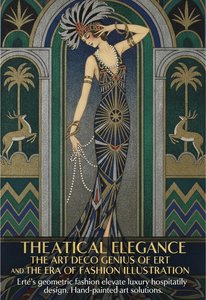
Theatrical Elegance: The Art Deco Genius of Erté and the Era of Fashion Illustration
Explore the theatrical elegance of Erté and the Art Deco era. Discover how his mastery of geometric line and fashion illustration can elevate luxury hospitality design through premium, hand-painted reproductions and bespoke architectural art solutions.