切换至版画销售渠道
 展开全文
展开全文







































 对于任何边长超过 105 厘米(约 41 英寸)的艺术品或复制品,画框将以拆解后的组件形式发货。此方法可确保安全送达并防止运输过程中的损坏。


George Wesley Bellows: A Vision of Grit and Grace
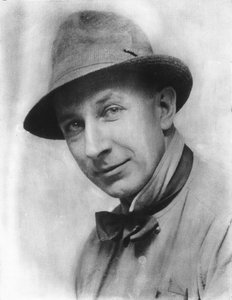
George Wesley Bellows (August 12 or August 19, 1882 – January 8, 1925) stands as a monumental figure in American realist painting, embodying the raw energy and burgeoning modernity of his era. Born in Columbus, Ohio, he emerged from an athletic upbringing—baseball and basketball—into an artist profoundly attuned to movement and physicality, shaping his distinctive style and cementing his place among the most celebrated artists of his generation. His artistic journey began early, filling notebooks with sketches that foreshadowed his keen observational eye and burgeoning talent for capturing the essence of human experience.- Early Influences: Henri’s Ashcan School championed unflinching depictions of urban life, fostering Bellows' fascination with gritty realism and social commentary.
- Technique: Bellows mastered oil on canvas, utilizing bold brushstrokes and layering textures to convey atmosphere and emotion—a hallmark of his oeuvre.
The White Horse: Rural Resilience Amidst Decay
“The White Horse,” painted in 1922, exemplifies Bellows’ masterful blend of realism and impressionism. The scene depicts a horse standing before a weathered barn with a fence nearby—a poignant juxtaposition reflecting the decline of rural America while simultaneously celebrating its enduring spirit. Compositionally, Bellows skillfully captures movement and depth, positioning the horse as if traversing towards the viewer, creating an immersive experience for the observer. The muted palette—dominated by browns, grays, and blues—underscores the painting’s melancholic mood, yet punctuated by flashes of vibrant color in the sky and barn interior.- Composition: Bellows' deliberate framing emphasizes the horse's posture and gaze, conveying a sense of quiet contemplation amidst the surrounding landscape.
- Color Palette: The subdued hues contribute to an atmosphere of solemn beauty, mirroring the hardships faced by rural communities during the period.
Symbolism and Emotional Resonance
Beyond its aesthetic qualities, “The White Horse” carries symbolic weight. The horse itself represents strength, perseverance, and connection to the land—themes central to Bellows’ artistic vision. Its stance suggests resilience in the face of adversity, mirroring the broader anxieties surrounding societal change during the 1920s. Furthermore, the barn symbolizes tradition and stability, contrasting sharply with the encroaching forces of industrialization. The painting evokes a profound sense of nostalgia for simpler times—a yearning for authenticity amidst the complexities of modern life.- Imagery: The horse’s gaze directs the viewer's attention inward, prompting reflection on themes of identity and belonging.
- Atmosphere: Bellows expertly conveys a feeling of solitude and contemplation—a characteristic element of his artistic style.
Legacy and Influence
George Wesley Bellows’ legacy extends far beyond the canvas itself. His unflinching portrayal of American society—particularly its working-class communities—challenged conventional artistic norms and paved the way for subsequent generations of artists to explore social issues with boldness and conviction. Recognized as one of the foremost realist painters of his time, Bellows continues to inspire admiration for his masterful technique and profound emotional depth. Reproductions of “The White Horse,” available on OriginalUniqueArt.com, allow art enthusiasts to experience this iconic masterpiece firsthand—a testament to Bellows’ enduring artistic vision.常见问题与解答
乔治·韦斯利·贝娄 (Qiáo Zhì Wēsīlì Bèi Lóu) 的《The White Horse》 使用了怎样的色调?
乔治·韦斯利·贝娄 (Qiáo Zhì Wēsīlì Bèi Lóu) 的《The White Horse》 采用了 Earthy 色调,这一色调概括了作品整体的色彩特征。
乔治·韦斯利·贝娄 (Qiáo Zhì Wēsīlì Bèi Lóu) 的《The White Horse》 在艺术史中处于怎样的地位?
乔治·韦斯利·贝娄 (Qiáo Zhì Wēsīlì Bèi Lóu) 的《The White Horse》 在艺术史上的分类属于 Contemporary Realism 运动,创作于 19th Century 时期。
《The White Horse》这一Contemporary Realism风格的作品传达了怎样的情感基调?
"The White Horse" 在 Contemporary Realism 运动中蕴含着 Mysterious 的情感基调。
 实景预览
实景预览
 分享
分享 分享
分享
 详情
详情 指南
指南

 下载作品
下载作品
 相似作品
相似作品 X射线
X射线 幻灯片播放
幻灯片播放 问答
问答 统计数据
统计数据