
 实景预览
实景预览
 发送
发送 分享
分享
 详情
详情 指南
指南

 下载图片
下载图片
 相似作品
相似作品 X射线
X射线 幻灯片播放
幻灯片播放 统计数据
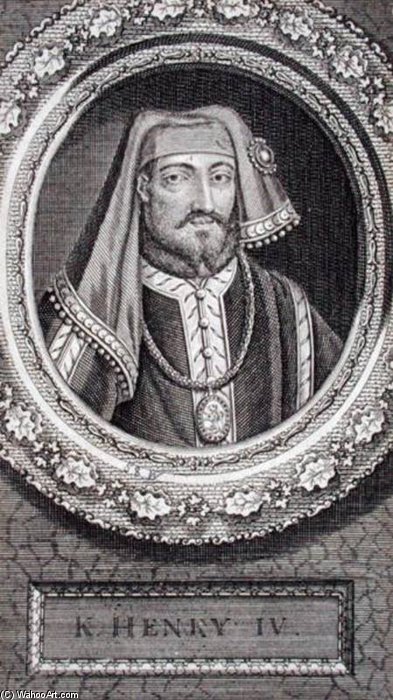
统计数据Henry Iv )

 阅读全文
阅读全文
艺术微喷/版画
博物馆级艺术微喷或帆布版画,制作高效,并提供多种饰面选择。 ( 订购此收藏品的纯手工复刻画作 切换至数字图像销售渠道)




































您可以从与原作比例一致的预设尺寸中进行选择。

请输入您所需的宽度和高度,以适配您的画框或墙面。由于印刷品只能进行裁剪,无法超出原图尺寸,因此若比例不一致,画面的一部分将会被裁切。在正式印刷之前,我们会为您发送一份数字效果图供您确认。本页面显示的图片并非最终裁剪后的效果——只有效果图才能展示真实的裁剪情况。


 玻璃选项仅适用于110厘米以下的尺寸。

Henry Iv )
艺术微喷/版画
复刻品尺寸说明
-


总计金额
¥ 538
艺术家简介
The Chronicler of British Art: The Life and Legacy of George Vertue
George Vertue (1684–1756) stands as a singular figure in the annals of English engraving and antiquarian scholarship, an artist whose meticulous observations and painstaking reproductions cemented his place as a pivotal contributor to the burgeoning aesthetic sensibilities of the Enlightenment. More than merely a craftsman adept at transferring images from canvas to plate, Vertue was a historian, a collector, and a fervent advocate for preserving Britain’s artistic heritage—a role that profoundly shaped our understanding of the era's visual culture. Born in London amidst the Catholic fervor of his family, Vertue’s early life instilled within him a deep appreciation for detail and accuracy, qualities that would become the very hallmarks of his artistic practice and intellectual pursuits.
His journey into the mastery of the burin began with an apprenticeship under Michael Vandergucht, a German engraver whose technical prowess provided Vertue with the foundational skills required to produce exceptional prints. However, it was his later association with Godfrey Kneller’s Academy of Painting that truly nurtured his artistic vision and fostered connections within London's intellectual elite. Through this connection, he worked closely with Thomas Gibson, absorbing stylistic sensibilities that emphasized a masterful handling of chiaroscuro and the ability to convey profound psychological depth in portraiture. This period of intense study allowed Vertue to transition from a skilled technician to a sophisticated artist capable of capturing the very essence of his subjects.
A Visionary of Antiquarianism and Documentation
Vertue’s passion for antiquarian research transcended his professional duties as an engraver. Driven by a profound desire to document the artistic achievements of Britain's past—particularly those predating the Elizabethan Renaissance—he embarked on a systematic endeavor to compile comprehensive notebooks filled with sketches, drawings, and detailed descriptions of artworks. These voluminous manuscripts, which now reside in the British Museum, constitute an unparalleled resource for historians studying British art. His tireless travels across England, often in the company of patrons like Edward Harley, the 2nd Earl of Oxford, allowed him to record architectural wonders and antiquities with a precision that remains vital to modern scholarship.
His professional prestige was further solidified by his appointment as the official engraver to the Society of Antiquaries in 1717. In this capacity, he produced much of the essential illustration for Vetusta Monumenta, a monumental series documenting ancient British monuments. His work during this era was not merely decorative but served a scientific purpose, bridging the gap between fine art and archaeological record. This dual identity as both an artist and a scholar allowed him to approach the printed page with a unique reverence for historical truth.
Mastery of the Plate and Historical Significance
The breadth of Vertue's output was staggering, encompassing a diverse range of techniques and subjects that reflected his multifaceted talents. He was a master of various mediums, including:
- Portrait Engraving: Producing approximately 500 portraits, most notably reproducing the works of Sir Godfrey Kneller, which helped disseminate the likenesses of the era's most influential figures.
- Mezzotint and Etching: Utilizing complex tonal methods to achieve rich textures and dramatic lighting in his prints.
- Architectural Documentation: Creating detailed antiquarian prints that captured the decaying grandeur of Britain's historical structures.
- Watercolor and Drawing: Maintaining a rigorous practice of sketching from life and from existing collections to ensure accuracy in his engravings.
Beyond his individual works, Vertue’s greatest achievement lies in his role as the foundational source for much of what we know about 18th-century British art. His meticulous notes provided the raw material for Horace Walpole's famous Anecdotes of Painting, ensuring that the lives and contributions of contemporary artists were not lost to time. Even as he received prestigious commissions, such as cataloging the royal collection for Frederick, Prince of Wales, his heart remained tethered to the preservation of history. When he passed away in 1756 and was laid to rest in Westminster Abbey, he left behind a legacy that was both a visual triumph of the engraver's art and an intellectual triumph of the historian's devotion.

George Vertue
1684 - 1756 , United Kingdom
快速概览
- Full Name: George Vertue
- Nationality: English
- Date Of Birth: 1684
- Date Of Death: 1756
- Place Of Birth: London, United Kingdom
- Notable Artworks:
- William Croft Engraving
- Ben Jonson Engraving
- Queen Anne Engraving
- Artistic Movement Or Style: Portrait engraving
- Artists Who Influenced This Artist:
- Michael Vandergucht
- Thomas Gibson
- Artists Or Movements Influenced By This Artist: ['Horace Walpole']