

 实景预览
实景预览
 发送
发送 分享
分享
 详情
详情 指南
指南

 下载图片
下载图片
 相似作品
相似作品 X射线
X射线 幻灯片播放
幻灯片播放 统计数据
统计数据Tiger


 阅读全文
阅读全文
Get a print-ready file that goes far beyond the web preview. Every digital image we sell comes from a high-resolution master in our stock database — usually 5,000 to 15,000 pixels wide — so you can print large, crop tightly, or reproduce fine detail with confidence.
No file leaves our studio untouched. A digital expert checks the colors against the original painting and corrects them if needed, then improves clarity and detail with professional retouching tools — always staying faithful to the artist's brushwork and style. The result is an image that looks like the painting, not like a filtered scan.
You approve before you're done: our expert sends the image by e-mail within 72 hours for your review. Not satisfied? Ask for improvements or corrections, or request a refund if the quality falls short.
This is the quality relied on by publishers, design studios, galleries and print shops.
数字图像
下载高分辨率文件,用于个人展示、打印及创意项目。 ( 切换至版画销售渠道 订购此收藏品的纯手工复刻画作)
每份数字图像订单均包含的内容
专业级数字交付,品质无忧
选择 OriginalUniqueArt.com,您获得的不仅仅是一张图像——您收到的是经过专业级增强、精雕细琢的数字艺术作品,并享有满意保证。以下是您的订单中自动包含的所有内容:

即时邮件交付
您的高分辨率数字图像文件将在下单后 72 小时内通过电子邮件发送给您 —— 即可立即使用。

AI 增强型数字图像
您的艺术品经过专业优化,结合先进的 AI 技术与人工修饰,确保呈现极致的细节、清晰度与色彩准确度。

终身免费重发服务
不小心删除了文件或找不到了?没关系——我们将随时为您免费重发。

无需进口税费,始终如一
即刻拥有您的艺术作品,无需支付任何关税、税费或运费——数字下载始终免税。

色彩精准保障
我们通过专业工具与色彩管理技术,确保您的数字图像尽可能真实地还原原作色彩。

100天满意保证
如果您对所购数字图像不满意,我们将在100天内为您进行修改或提供100%的全额退款——无需任何理由。

100% 退款保证
不满意?在收到数字文件后的100天内,您可以申请全额退款——无需任何理由。

批量订购优惠
购买 3 张享 10% 折扣 - 购买 5 张享 15% 折扣 - 购买 10 张以上享 20% 折扣。非常适合创意项目、画廊及机构使用。
The Majesty of the Hunt: George Stubbs’s ‘Tiger’
George Stubbs’s “Tiger,” painted in 1771, isn’t merely a depiction of an animal; it's a visceral exploration of power, instinct, and the sublime. This oil painting, now housed within the collections of Google Arts & Culture, immediately commands attention with its dramatic composition and masterful use of light and shadow. The scene unfolds within a shadowy forest, a carefully constructed stage for the tiger’s predatory grace – a creature rendered with an almost unsettling realism that transcends simple representation.
Stubbs, a revolutionary figure in 18th-century art, wasn't content to simply paint what he saw. He was driven by a deep fascination with anatomy and a desire to capture the essence of his subjects – particularly animals – with unparalleled accuracy. His meticulous study of horse musculature informed his approach to painting tigers, resulting in a portrayal that feels both scientifically precise and emotionally charged. The painting’s genesis is linked to Lord Clive, Governor of Bengal, who presented a tiger to the 4th Duke of Marlborough as a gift, prompting Stubbs to create this iconic image.
A Study in Texture and Technique
The painting's impact begins with its texture. Stubbs employed an impasto technique – applying thick layers of paint directly to the canvas – creating a surface that is remarkably tactile. You can almost feel the coarse fur of the tiger, the rough bark of the rocks beneath it, and the damp earth of the forest floor. This deliberate roughness isn’t merely decorative; it contributes significantly to the painting's sense of immediacy and physicality. The brushstrokes themselves are visible, a testament to Stubbs’s painstaking attention to detail and his commitment to capturing the nuances of form.
Furthermore, Stubbs masterfully manipulated light and shadow to create a dramatic atmosphere. The tiger is bathed in a cool, diffused light that highlights its muscular physique and intense gaze. The surrounding forest is plunged into deep shadows, suggesting both danger and mystery. This chiaroscuro effect – the strong contrast between light and dark – not only adds depth to the composition but also evokes a sense of primal tension.
Symbolism and Context
Beyond its technical brilliance, “Tiger” is rich in symbolic meaning. The tiger itself has long been associated with strength, courage, and ferocity—qualities often linked to royalty and power. The setting within the shadowy forest can be interpreted as a metaphor for the unknown, the dangers of the wild, or even the darker aspects of human nature. Considering that this painting was commissioned by a governor of Bengal, it’s not surprising that the tiger embodies colonial ambition and the perceived savagery of the “uncivilized” East.
The historical context is equally important. Stubbs' work emerged during a period of significant change in Europe, marked by the rise of Romanticism – an artistic movement that emphasized emotion, imagination, and the beauty of nature. "Tiger" aligns with these Romantic ideals through its dramatic composition, intense emotionality, and focus on the power of the natural world. It’s a painting that invites contemplation, prompting viewers to consider not only the tiger's predatory instincts but also the broader themes of human ambition, the relationship between humanity and nature, and the allure of the unknown.
A Timeless Masterpiece
“Tiger” remains a compelling work of art centuries after its creation. Its dramatic intensity, technical virtuosity, and rich symbolism continue to captivate audiences today. Whether viewed as a study in animal anatomy, a reflection on colonial power dynamics, or simply a stunning example of 18th-century artistry, George Stubbs’s “Tiger” stands as a testament to the enduring power of art to evoke emotion, stimulate thought, and transport us to another time and place.
艺术家简介
早年生活与艺术启蒙
乔治·斯塔布斯,这位举世闻名的英国画家,于1724年8月25日出生在利物浦。他的早期生活记录稀疏,直到35岁之前的信息主要来源于奥西亚斯·亨弗里的回忆录,这些回忆录基于他与斯塔布斯在1794年的对话。斯塔布斯15岁时开始了他的艺术生涯,最初跟随父亲学习皮革制作工艺。后来,他向兰开夏画家和版画师汉密特·温斯坦利寻求短暂的学徒机会。这段经历让他得以接触到诺斯利庄园的藏品,初步开启了他的艺术视野。艺术发展与重要作品
斯塔布斯对解剖学的热情促使他于1744年移居约克,在约克郡医院外科医生查尔斯·阿特金森门下学习。他最早的幸存作品之一是为约翰·伯顿的中产学教科书绘制的一系列插图,出版于1751年。1756年,斯塔布斯租用林肯郡的一个农舍,与他的非婚妻玛丽·斯宾塞一起解剖马匹长达18个月。这项研究成果促成了《马的解剖学》一书的出版,该书于1766年问世,其原始图稿现藏于皇家学院。斯塔布斯的才华很快得到了贵族赞助人的认可,包括第三代里士满公爵,他于1759年委托创作了三幅大型画作。这标志着他事业的成功开端,为多位公爵和勋爵创作作品,最终在伦敦玛丽波恩区购置了一所住宅。《吹风者》与浪漫主义风格
斯塔布斯最著名的作品无疑是《吹风者》,这幅画作描绘了一匹雄健的赛马,受第二代洛克英格侯爵委托创作。现在,《吹风者》珍藏于伦敦国家美术馆。《吹风者》以及另外两幅为洛克英格侯爵创作的作品打破了传统,以简洁的背景为特色。这匹纯种赛马腾空而起的姿态,充分展现了斯塔布斯无与伦比的绘画技巧和捕捉马匹精髓的能力。他并非仅仅描绘动物的外形,而是深入理解其肌肉、骨骼和运动力,将马匹的力量感淋漓尽致地呈现出来。对艺术史的影响
斯塔布斯创作的一系列狮子袭击马匹的画作是早期浪漫主义运动的典范,展现了他对18世纪艺术的影响。他深入研究动物行为和解剖学,使得他的作品不仅具有高度的写实性,更富含象征意义。《吹风者》不仅仅是一幅肖像画,它代表着力量、自由和野性的魅力。斯塔布斯的绘画风格影响了后世众多艺术家,尤其是在动物绘画领域。他开创了一种新的艺术语言,将科学研究与艺术创作完美结合,为浪漫主义运动的发展奠定了基础。遗产与持续的辉煌
斯塔布斯作为一名杰出的马匹画家,其成就无人能及。他的作品继续激励着世界各地的艺术爱好者。《吹风者》不仅仅是一件艺术品,它已经成为英国文化的重要象征。他对于动物解剖学的深入研究和对绘画技巧的精湛掌握,使得他的作品具有独特的魅力和价值。- 您可以在https://OriginalUniqueArt.com/@/george_stubbs 欣赏斯塔布斯的艺术作品。
- 探索伦敦国家美术馆的藏品,其中包括斯塔布斯的重要作品:/zh/art/show/art-8xyffg-zh/
- 在维基百科上了解更多关于斯塔布斯的生活和工作:https://en.wikipedia.org/wiki/george_stubbs
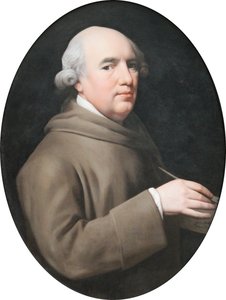
乔治·斯塔布斯
1724 - 1806 , 英国
概览
- 全名: 乔治·斯塔布斯
- 出生地: 英国利物浦
- 出生日期: 1724年8月25日
- 受斯塔布斯影响的人物或运动: ['约书亚·雷诺兹']
- 国籍: 英国
- 影响斯塔布斯的人物: ['汉密尔特·温斯坦利']
- 艺术运动或风格: 浪漫主义,马术绘画
- 著名作品:
- 威士忌杰克特
- 狮子与马
- 狮虎搏斗
- 逝世日期: 1806年7月10日