

 实景预览
实景预览
 发送
发送 分享
分享
 详情
详情 指南
指南

 下载图片
下载图片
 相似作品
相似作品 X射线
X射线 幻灯片播放
幻灯片播放 统计数据
统计数据The Lincolnshire Ox
 Acrylic
- WallArt
- Romantic Landscape Painting
 1790
1790 990.0 x 679.0 cm
 Walker Art Gallery
 阅读全文
阅读全文
艺术微喷/版画
博物馆级艺术微喷或帆布版画,制作高效,并提供多种饰面选择。 ( 订购此收藏品的纯手工复刻画作 切换至数字图像销售渠道)




P118B $10

P118H $10

P118W $10

P438Z $10

P508JH $12

P508YH $12

P805H $10

P805Z $10

P919BZ $10

P919G $10

P919XJ $10

P959ZH $10

P968JZ $12

W106C $8

W218G $10

W218JH $8

W218Y $10

W307PJ $10

W316G $10

W316PJ $8

W316Y $10

W398PJ $8

W4111J $10

W500HY $15

W500JH $15

W692G $12

W849H $8

W940BG $15

W953PJ $8




您可以从与原作比例一致的预设尺寸中进行选择。

您可以输入自定义尺寸,以适配特定的画框或空间。如果您选择的尺寸与原图比例不符,我们将对作品进行裁剪,或通过镜像填充/纯色填充边缘的方式来扩展图像。在开始制作之前,我们会向您发送一份数字效果图供您确认。
请注意,屏幕上的预览并不能反映实际的裁剪或扩展效果。只有效果图才能准确展示最终的构图。
虽然我们提供定制尺寸,但为了保持原图比例,我们建议您从预设列表中选择尺寸。


 玻璃选项仅适用于110厘米以下的尺寸。

The Lincolnshire Ox
艺术微喷/版画
复刻品尺寸说明
-


总计金额
$ 80
A Monumental Portrait of Lincolnshire Livestock and Human Dignity
George Stubbs’s “The Lincolnshire Ox,” completed in 1790, transcends mere depiction; it embodies an ambitious exploration of anatomy, observation, and the intersection of rural life and scientific inquiry. This monumental canvas—measuring 990 x 679 cm—captures John Gibbons, a Lincolnshire farmer who achieved fame through his victory at a cock fight, alongside his extraordinary ox, a creature that defied conventional understanding of animal physiology during its time. Stubbs’s masterful rendering isn't simply about capturing the physical form; it’s an assertion of intellectual curiosity and a testament to the artist’s unwavering dedication to scientific accuracy.- Subject Matter: The painting centers on Gibbons himself, dressed in formal attire—a suit and hat—standing proudly beside his colossal ox. This juxtaposition immediately establishes a dialogue between human dignity and the raw power of nature. The inclusion of a champion cockerel perched atop branches underscores Stubbs’s fascination with animal behavior and reinforces the narrative of triumph and spectacle.
- Style & Technique: Stubbs employed a revolutionary approach to painting, prioritizing anatomical precision over idealized representation. He undertook extensive dissections of horses—a daring undertaking for his era—to meticulously study muscle structure and skeletal articulation. This dedication is palpable in “The Lincolnshire Ox,” where Stubbs painstakingly recreates the ox’s musculature with astonishing realism. The artist utilized oil paint on canvas, applying thick impasto strokes to convey texture and volume, particularly evident in the ox's hide.
Historical Context: Scientific Observation Meets Rural Tradition
The painting emerged during a period of burgeoning scientific interest in anatomy and natural history. Stubbs’s work aligns with the Enlightenment’s emphasis on empirical observation and rational inquiry—a stark contrast to the prevailing artistic conventions of the time, which favored mythological narratives and idealized portraits. Gibbons's ox wasn’t merely livestock; it represented a symbol of Lincolnshire’s agricultural prowess and was celebrated as an unparalleled specimen. The exhibition of the ox in London served as a focal point for showcasing scientific advancements alongside rural achievements.- Symbolism: Beyond its anatomical accuracy, “The Lincolnshire Ox” carries symbolic weight. The ox embodies strength, resilience, and fertility—qualities deeply rooted in Lincolnshire’s agricultural heritage. Furthermore, Gibbons's posture exudes confidence and accomplishment, reflecting the farmer’s success in securing this remarkable animal. The cockerel symbolizes victory and heralds a new era of scientific understanding.
Emotional Impact & Artistic Legacy
Stubbs’s “The Lincolnshire Ox” commands attention not only through its scale but also through its profound emotional resonance. The painting evokes awe at the grandeur of nature and admiration for human intellect—a harmonious blend that speaks to the enduring fascination with both animal anatomy and rural landscapes. Stubbs's pioneering technique continues to inspire artists today, demonstrating the transformative power of meticulous observation and unwavering commitment to artistic excellence. It stands as a cornerstone of British art history, securing its place as an unforgettable masterpiece.艺术家简介
早年生活与艺术启蒙
乔治·斯塔布斯,这位举世闻名的英国画家,于1724年8月25日出生在利物浦。他的早期生活记录稀疏,直到35岁之前的信息主要来源于奥西亚斯·亨弗里的回忆录,这些回忆录基于他与斯塔布斯在1794年的对话。斯塔布斯15岁时开始了他的艺术生涯,最初跟随父亲学习皮革制作工艺。后来,他向兰开夏画家和版画师汉密特·温斯坦利寻求短暂的学徒机会。这段经历让他得以接触到诺斯利庄园的藏品,初步开启了他的艺术视野。艺术发展与重要作品
斯塔布斯对解剖学的热情促使他于1744年移居约克,在约克郡医院外科医生查尔斯·阿特金森门下学习。他最早的幸存作品之一是为约翰·伯顿的中产学教科书绘制的一系列插图,出版于1751年。1756年,斯塔布斯租用林肯郡的一个农舍,与他的非婚妻玛丽·斯宾塞一起解剖马匹长达18个月。这项研究成果促成了《马的解剖学》一书的出版,该书于1766年问世,其原始图稿现藏于皇家学院。斯塔布斯的才华很快得到了贵族赞助人的认可,包括第三代里士满公爵,他于1759年委托创作了三幅大型画作。这标志着他事业的成功开端,为多位公爵和勋爵创作作品,最终在伦敦玛丽波恩区购置了一所住宅。《吹风者》与浪漫主义风格
斯塔布斯最著名的作品无疑是《吹风者》,这幅画作描绘了一匹雄健的赛马,受第二代洛克英格侯爵委托创作。现在,《吹风者》珍藏于伦敦国家美术馆。《吹风者》以及另外两幅为洛克英格侯爵创作的作品打破了传统,以简洁的背景为特色。这匹纯种赛马腾空而起的姿态,充分展现了斯塔布斯无与伦比的绘画技巧和捕捉马匹精髓的能力。他并非仅仅描绘动物的外形,而是深入理解其肌肉、骨骼和运动力,将马匹的力量感淋漓尽致地呈现出来。对艺术史的影响
斯塔布斯创作的一系列狮子袭击马匹的画作是早期浪漫主义运动的典范,展现了他对18世纪艺术的影响。他深入研究动物行为和解剖学,使得他的作品不仅具有高度的写实性,更富含象征意义。《吹风者》不仅仅是一幅肖像画,它代表着力量、自由和野性的魅力。斯塔布斯的绘画风格影响了后世众多艺术家,尤其是在动物绘画领域。他开创了一种新的艺术语言,将科学研究与艺术创作完美结合,为浪漫主义运动的发展奠定了基础。遗产与持续的辉煌
斯塔布斯作为一名杰出的马匹画家,其成就无人能及。他的作品继续激励着世界各地的艺术爱好者。《吹风者》不仅仅是一件艺术品,它已经成为英国文化的重要象征。他对于动物解剖学的深入研究和对绘画技巧的精湛掌握,使得他的作品具有独特的魅力和价值。- 您可以在https://OriginalUniqueArt.com/@/george_stubbs 欣赏斯塔布斯的艺术作品。
- 探索伦敦国家美术馆的藏品,其中包括斯塔布斯的重要作品:/zh/art/show/art-8xyffg-zh/
- 在维基百科上了解更多关于斯塔布斯的生活和工作:https://en.wikipedia.org/wiki/george_stubbs
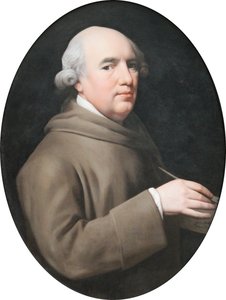
乔治·斯塔布斯
1724 - 1806 , 英国
快速概览
- 全名: 乔治·斯塔布斯
- 出生地: 英国利物浦
- 出生日期: 1724年8月25日
- 受斯塔布斯影响的人物或运动: ['约书亚·雷诺兹']
- 国籍: 英国
- 影响斯塔布斯的人物: ['汉密尔特·温斯坦利']
- 艺术运动或风格: 浪漫主义,马术绘画
- 著名作品:
- 威士忌杰克特
- 狮子与马
- 狮虎搏斗
- 逝世日期: 1806年7月10日
相关文章

The Enduring Form: Sculpture Across History, Technique & Emotional Resonance
Explore the rich history of sculpture with OriginalUniqueArt. Discover key techniques, influential artists & investment potential for discerning collectors. Expert insights into valuing and collecting timeless masterpieces.

The Enduring Form: Exploring Themes & Techniques in Sculpture Across Historical Periods
Explore the rich history of sculpture from ancient masterpieces to contemporary innovations. Discover key techniques, influential artists & investment potential for discerning art collectors.
生机勃勃:动物意象在艺术与室内设计中的永恒呈现
探索动物意象在艺术史上的永恒魅力!OriginalUniqueArt.com提供高品质油画复制、定制肖像及室内设计咨询。大师作品还原,个性化创作,点亮您的家居生活。专业团队,值得信赖!

Bronze Sculptures That Defined Art History | OriginalUniqueArt
Journey through art history with our Top 10 bronze sculptures! Explore masterpieces by Rodin, Michelangelo & more. Discover stories behind iconic statues and find museum-quality reproductions for your home decor at OriginalUniqueArt.com.

Bronze Age to Modern Masters: 10 Sculptures That Redefined Art | OriginalUniqueArt
Journey through art history with 10 legendary bronze sculptures – from Michelangelo's David to Rodin’s Thinker. Explore the stories, techniques & timeless beauty of these masterpieces. Find museum-quality reproductions & elevate your home decor on OriginalUniqueArt.com.


