
 实景预览
实景预览
 切换至版画销售渠道
 分享
分享 分享
分享
 详情
详情 指南
指南

 下载作品
下载作品
 相似作品
相似作品 X射线
X射线 幻灯片播放
幻灯片播放 问答
问答 统计数据
统计数据A Monkey

- 70.0 x 56.0 cm


 展开全文
展开全文
获取远超网页预览效果的印刷级文件。我们销售的每一张数字图像均源自库存数据库中的高分辨率母版——宽度通常在 5,000 至 15,000 像素之间——因此您可以放心地进行大幅打印、局部裁剪或还原细腻的细节。
每一件作品在离开我们的工作室前都经过了精心的处理。数字影像专家会对照原作核对色彩,并在必要时进行校正,随后利用专业修图工具提升清晰度与细节表现——且始终忠实于艺术家的笔触与风格。最终呈现的图像宛如原作本身,而非仅仅是一张加了滤镜的扫描件。
您可以在最终定稿前进行审核:我们的专家将在 72 小时内通过电子邮件向您发送图像以供审阅。如果不满意?您可以要求改进或修正;若质量未达预期,亦可申请退款。
这也是出版商、设计工作室、画廊及印刷厂所信赖的品质。
每份数字图像订单均包含的内容
专业级数字交付,品质保障
选择 OriginalUniqueArt.com,您获得的不仅仅是一张图像——您收到的是经过专业级增强、精雕细琢的数字艺术作品,并享有满意保证。以下是您的订单中自动包含的所有内容:

邮件即时送达
您的高分辨率数字图像文件将在下单后 72 小时内通过电子邮件发送给您 —— 即可立即使用。

AI 增强型数字文件
您的艺术品经过专业优化,结合先进的 AI 技术与人工修饰,确保呈现极致的细节、清晰度与色彩准确度。

终身免费重发服务
不小心删除了文件或找不到了?没关系——我们将随时为您免费重发。

无需进口税费,始终如一
即刻拥有您的艺术作品,无需支付任何关税、税费或运费——数字下载始终免税。

色彩精准保障
我们通过专业工具与色彩管理技术,确保您的数字图像尽可能真实地还原原作色彩。

100天满意保证
如果您对所购数字图像不满意,我们将在100天内为您进行修改或提供100%的全额退款——无需任何理由。

100% 退款保证
不满意?在收到数字文件后的100天内,您可以申请全额退款——无需任何理由。

批量订购优惠
购买 3 张享 10% 折扣 - 购买 5 张享 15% 折扣 - 购买 10 张以上享 20% 折扣。非常适合创意项目、画廊及机构使用。
The Enigmatic Subject: A Monkey’s Contemplative Gaze
George Stubbs' "A Monkey," painted in 1799, isn’t merely a depiction of an animal; it’s a carefully constructed tableau brimming with layered meaning. The subject itself – a monkey seated upon what appears to be a weathered rock or piece of wood – possesses an almost unnerving stillness. Its head is turned slightly away from the viewer, lending it a contemplative air, as if lost in its own thoughts. The pose, combined with the subtle tension in its muscles and the alert expression around its eyes, suggests a creature both intelligent and wary. This isn’t a playful romp through a jungle; there's an underlying sense of observation, perhaps even judgment, radiating from this primate. The artist masterfully captures a fleeting moment of awareness, inviting us to contemplate the animal’s inner world.
- Composition: The monkey is centrally positioned within a dark, shadowed environment, creating a dramatic contrast between light and shadow. This technique draws attention to the subject while simultaneously hinting at an unseen, potentially ominous, backdrop.
- Color Palette: Stubbs employs a muted palette dominated by earthy tones – browns, ochres, and grays – that evoke the feeling of a dense forest or jungle. These subdued colors contribute to the painting’s overall sense of mystery and depth.
Anatomical Mastery and the Roots of Romanticism
Stubbs was renowned for his unparalleled anatomical accuracy, particularly in his depictions of animals. “A Monkey” exemplifies this skill, showcasing a meticulous attention to detail in rendering the monkey’s fur, musculature, and skeletal structure. This dedication stemmed from his early training as an assistant to a surgeon, Charles Atkinson at York County Hospital, where he dissected horses to understand their anatomy. This scientific rigor is evident in the painting's realistic portrayal of the animal’s form—a hallmark of the burgeoning Romantic movement. The emphasis on observation and detailed representation, rather than idealized beauty, was revolutionary for its time.
The painting reflects a shift away from Neoclassical ideals that prioritized order and restraint towards a celebration of nature's power and complexity – a core tenet of Romanticism.Symbolic Layers: Fruit, Observation, and the Garden of Eden
Beyond its anatomical brilliance, “A Monkey” is rich in symbolic potential. The monkey’s grasp of two apples—one held delicately in its hand, the other resting nearby—immediately evokes the biblical story of Adam and Eve. This imagery suggests themes of temptation, knowledge, and perhaps even a critique of humanity's relationship with nature. The shadowed background further reinforces this sense of mystery and foreboding. The artist’s choice to depict the monkey in a contemplative pose, rather than engaging in playful activity, adds another layer of complexity—suggesting an awareness of its own situation and the potential consequences of its actions.
Furthermore, some scholars suggest that the painting may be a commentary on the role of artists and their relationship to nature, mirroring the themes explored in Jean Siméon Chardin’s “The Monkey Painter,” which depicts a monkey holding a paintbrush.A Legacy of Precision and Romantic Vision
“A Monkey” stands as a testament to George Stubbs' extraordinary talent and his pivotal role in shaping the course of British art. Its meticulous detail, evocative atmosphere, and symbolic depth continue to captivate viewers today. Reproductions of this iconic painting offer an opportunity to experience firsthand the artistry and intellectual curiosity that defined one of England’s greatest painters. It is a piece that invites repeated viewing, revealing new nuances with each encounter—a true masterpiece of anatomical precision and Romantic vision.
艺术家简介
早年生活、家庭与艺术启蒙
1724年,在英国利物浦,乔治·斯塔布斯降生于皮匠约翰·斯塔布斯与玛丽的家庭。他的童年是在家族生意的琐碎中度过的,整日与皮革和工具为伴。这种对动物皮毛物理特性的早期接触,为他日后不断萌发的求知欲奠定了触觉上的基础。到了15岁时,那种对视觉表现形式的渴望已变得无法忽视。他开启艺术生涯的路径并非通过正规的学院训练,而是凭借一种近乎执着的、自我驱动的力量,试图去理解生命的机械运作原理。
他的求学之路并非一帆风顺。他曾在兰开夏郡的画家兼版画师汉密特·温斯坦利门下进行过短暂的学徒训练,这让他得以窥见职业艺术的门径,但这仅仅是其人生中短暂的一章。斯塔布斯追求的是比单纯模仿更为严谨的东西。他随后移居约克,艺术的焦点也随之从表象转向了内在结构。在约克郡医院外科医生查尔斯·阿特金森的指导下,他开始深入研究解剖学。这段解剖实践的岁月彻底改变了他的创作方式,将一位艺术家转化为了骨骼与肌肉系统的研究者。
在很大程度上,他是一位自学成才的艺术家,通过观察18世纪同时代大师的作品来磨炼自己的技艺。他吸收了如约书亚·雷诺兹和托马斯·盖恩斯布罗等伟大艺术家的创作手法,但他的核心关注点始终锚定在科学领域。他不仅仅满足于描绘一个对象,他更渴望理解皮肤之下肌腱的张力与骨骼的布局。这种外科手术般的精准与美学追求的交汇,定义了他早期的艺术发展轨迹。
赞助人、工作室与委约创作
成功的机遇从英国贵族阶层的门扉中悄然降临。到1759年,第三代里士满公爵委托创作了三幅大型画作,这一举措奠定了乔治·斯塔布斯在艺术界的专业地位。他那能够精准还原动物物理真实性的天赋,迅速吸引了顶尖贵族赞助人的目光。他逐渐从艺术世界的边缘走向精英阶层的核心,为多位公爵和勋爵创作作品。这种源源不断的、具有高社会地位的委约创作,为他在伦敦建立长期的艺术事业提供了必要的经济保障。最终,他在伦敦玛丽波恩区购置了一所住宅,并在那里度过了余生。
他对专业领域的卓越造诣,其影响力甚至延伸到了社会的最高层,并赢得了皇室的青睐。乔治·斯塔布斯的声誉建立在一种独特的能力之上:他能够满足那些将马匹视为地位象征的马主们极其细致的审美需求。这些赞助人追求的不仅仅是简单的形似,他们更渴望乔治·斯塔布斯所能提供的解剖学层面的精准度。于是,他的工作室变成了一个重要的创作中心,不断满足着那个痴迷于赛马卓越性能与优良品种培育阶层的审美趣味。
技法与风格
乔治·斯塔布斯的艺术创作始终处于科学探究与纯粹艺术的交汇点。他的创作手法建立在一种开创性的写实主义之上,这种写实主义深深扎根于动物形态的物理现实之中。通过将解剖学的精确性与极具表现力的细节相结合,他超越了单纯的形似,转而捕捉生命律动的内在机制。他巧妙地运用细腻的阴影过渡,为每一根肌腱和每一束肌肉注入了生命力,以一种清晰透彻的笔触呈现出受画对象的内在结构,这正是他深厚的解剖学研究成果的完美体现。
这种对运动机制的痴迷,往往在充满张力的冲突场景中得到爆发。他常年沉浸于“野马与狮子”这一主题中,并通过多次迭代的创作来探索这一命题。这些关于狮子袭击马匹的描绘,构成了浪漫主义运动早期且具有重要意义的范例。在这些作品中,艺术的焦点从静止的肖像转向了生存本能所迸发出的原始能量,他利用肌肉紧绷的张力来驱动整个画面的构图,使观者仿佛能感受到那种生死一瞬的搏杀感。
传世杰作与艺术巅峰
1766年标志着艺术与科学交汇处的一次决定性转变。在这一年,乔治·斯塔布斯出版了具有开创意义的著作《马的解剖学》,这部论著早已超越了单纯的观察记录。书中包含了18幅极其详尽的插图,这是他多年来通过解剖尸体以探寻生命运作机制的结晶。这部作品确立了他作为马匹结构权威的地位,为定义生命形态的肌肉与肌腱提供了一套全新的视觉语言。
几乎在同一时期,他的创作视角从内在结构转向了更为直观的生命张力。《狮子袭击雄鹿》捕捉到了一个原始且未经修饰的生存瞬间,捕食者与猎物之间的紧张感在画作中跃然纸上,令人屏息。这种关于冲突的主题——即被狮子威胁的野马——成为了他职业生涯中反复出现的执念,并以多种形式呈现。这不仅是对力量与运动的深刻研究,更在科学记录与蓬勃发展的浪漫主义运动之间架起了一座桥梁。
而他马匹肖像画艺术的巅峰,无疑是那幅著名的《威士哲》。这幅受第二代洛克英格侯爵委托创作的作品,描绘了一匹在纯净背景下腾跃的骏马,彻底打破了当时的绘画传统,使主体的存在感显得如此直接而强烈。大约在1780年左右,他创作了《洛克英格侯爵的阿拉伯种公马》,进一步巩固了他在当时上流社会圈中的地位。他那种捕捉特定动物灵魂精髓的能力,至今仍是该艺术流派中最持久、最伟大的贡献。
- 《威士哲》
- 《马的解剖学》(1766年)
- 《狮子袭击雄鹿》(1766年)
- 《洛克英格侯爵的阿拉伯种公马》(约1780年)
今日何处寻觅其踪迹
乔治·斯塔布斯对解剖学精准度的极致追求,其艺术遗产至今仍在世界各大国际艺术殿堂中熠熠生辉。在伦敦,国家美术馆珍藏着《威士哲》,这是一幅气势恢宏的纯种赛马肖像画。与此同时,泰特美术馆的馆藏中也保留着他的数幅杰作。通过这些作品,观众可以近距离感受那种定义了他艺术生涯的、近乎严苛的精准写实感。
跨越了大西洋,位于纽黑文的耶鲁大学英美艺术中心也收藏了大量他的作品,为人们提供了一个集中审视其艺术成就的窗口。而在他的故乡英国,位于利物浦的沃克美术馆悉心保存着他的画作,让这些意象回归到他生命的起点。乔治·斯塔布斯的影响力早已超越了画布的边界,深入到了科学的领域;他的著作《马的解剖学》至今仍是研究马匹解剖学不可或缺的经典文献。
- 威士哲 - 伦敦国家美术馆
- 狮子吞噬马匹 - 伦敦泰特美术馆
- 带着骑手的莫莉·隆莱格斯 - 利物浦沃克美术馆
- 米尔班克与墨尔本家族 - 伦敦国家美术馆
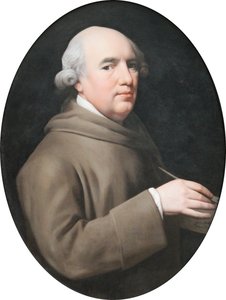
乔治·斯塔布斯
1724 - 1806 , 英国
基本信息
- Artistic Movement Or Style: 浪漫主义运动
- Artists Or Movements Influenced By This Artist: ['浪漫主义运动']
- Artists Who Influenced This Artist:
- 约书亚·雷诺兹
- 托马斯·盖恩斯布罗
- Date Of Birth: 1724
- Date Of Death: 1806
- Full Name: 乔治·斯塔布斯
- Nationality: 英国
- Notable Artworks:
- 威士哲
- 马的解剖学
- 狮子袭击马匹
- Place Of Birth: 英国利物浦