
 实景预览
实景预览
 分享
分享 分享
分享
 详情
详情 指南
指南

 下载作品
下载作品
 相似作品
相似作品 X射线
X射线 幻灯片播放
幻灯片播放 问答
问答 统计数据
统计数据Saying Grace, Cottage Interior

 展开全文
展开全文
艺术微喷/版画
博物馆级艺术微喷或帆布版画,制作高效,并提供多种饰面选择。 ( 订购纯手工绘制画作 切换至数字图像销售渠道)




































您可以从与原作比例一致的预设尺寸中进行选择。

请输入您所需的宽度和高度,以适配您的画框或墙面。由于印刷品只能进行裁剪,无法超出原图尺寸,因此若比例不一致,画面的一部分将会被裁切。在正式印刷之前,我们会为您发送一份数字效果图供您确认。本页面显示的图片并非最终裁剪后的效果——只有效果图才能展示真实的裁剪情况。


 玻璃选项仅适用于110厘米以下的尺寸。

Saying Grace, Cottage Interior
艺术微喷/版画
复刻品尺寸
-


最终结算价
¥ 544
A Glimpse into Rural Life: "Saying Grace, Cottage Interior" by George Smith
Step back in time with this charming depiction of family life, “Saying Grace, Cottage Interior,” a work attributed to George Smith. This evocative painting offers a poignant snapshot of domestic tranquility and shared moments within a humble countryside setting. More than just a scene, it's a window into the values and rhythms of 18th-century rural existence.
Subject & Composition: A Moment of Shared Devotion
- The Scene: The painting centers around a family gathered at a simple wooden table, seemingly concluding a meal with a prayer or blessing. Six figures are present – an older woman holding a baby, a standing companion, a young girl looking towards the viewer, and two children engaged in eating.
- Rustic Setting: The interior is characterized by its rustic charm. Wooden furniture, a cozy fireplace with a kettle hanging above, and simple decorations contribute to a warm and inviting atmosphere. The details – the white tablecloth, the loaf of bread, the pitcher – all speak to a life lived close to nature and basic necessities.
- Compositional Focus: Smith skillfully directs our gaze towards the central figures, emphasizing their connection and shared experience. The soft lighting, likely from unseen windows, casts gentle shadows that enhance the sense of intimacy and realism.
Style & Technique: Capturing Everyday Realism
- Genre Painting: "Saying Grace" firmly belongs to the genre painting tradition, which flourished in the 18th century. This style focused on depicting scenes from everyday life – domestic interiors, landscapes, and portraits of ordinary people – rather than grand historical or mythological subjects.
- Painterly Approach: While details are present, Smith’s technique leans towards a painterly approach, with visible brushstrokes that add texture and depth to the scene. This contrasts with more precise, academic styles.
- Color Palette: The color palette is muted and earthy, reflecting the natural tones of the setting and clothing. Warm browns, creams, and soft greens create a sense of comfort and familiarity.
Historical Context & Symbolism
- 18th-Century Rural Life: The painting provides valuable insight into the lives of ordinary people in 18th-century Britain. It reflects the importance of family, faith, and community in a rural setting.
- Moral Values: The act of "saying grace" itself carries significant symbolic weight, representing piety, gratitude, and the importance of spiritual values within the home.
- Social Commentary (Subtle): While seemingly idyllic, the painting may also subtly comment on the realities of rural life – the simplicity, the hard work, and the close-knit nature of families in a time before widespread industrialization.
Emotional Impact & Lasting Appeal
“Saying Grace, Cottage Interior” evokes a sense of nostalgia and warmth. It’s a painting that invites viewers to pause and reflect on the simple joys of family life, faith, and connection. The scene's quiet intimacy and realistic portrayal resonate across generations, making it a timeless work of art that continues to inspire and captivate.
常见问题与解答
"Saying Grace, Cottage Interior" 有艺术版画出售吗?
您可以在乔治·史密斯 的《Saying Grace, Cottage Interior》的艺术版画页面直接订购其版画:采用棉质帆布或档案级画布纸制作的艺术版画。
Realism 流派的作品 "Saying Grace, Cottage Interior" 源自哪个国家?
通过创作者的出生地,《Saying Grace, Cottage Interior》将Realism运动与英国紧密联系在了一起。
乔治·史密斯 的《Saying Grace, Cottage Interior》 的主导色调是什么?
乔治·史密斯 的《Saying Grace, Cottage Interior》 的主导色调为 Amber to Saffron,这一色调构成了整个色板的基调。
艺术家简介
理查德·威尔逊:连接意大利与威尔士的艺术桥梁
理查德·威尔逊(Richard Wilson)于1713年出生于爱丁堡——那是一个欧洲艺术发生重大变革的年份。作为风景画从洛可可风格向更具情感共鸣且富有古典底蕴的风格转型的关键人物,他的地位举足轻重。他的一生充满了不断的迁徙,其轨迹深受家族责任、经济压力以及对汲取意大利与威尔士故土艺术养分那份无尽渴望的影响。威尔逊的故事不仅仅是一位画家的传记,更是一部交织着家族史、社会关系以及与18世纪英国不断变化的审美景观深度对话的叙事诗。作为牧师约翰·威尔逊与艾丽丝的第三子,他的母亲来自莫德附近利斯伍德的温家族(Wynne family)。这一血脉将他与威尔士乡绅阶层紧密相连,并为他注入了该地区的传统底蕴,这些元素深刻地塑造了他的艺术视野。尽管早年曾在爱丁堡大学接受教育,但真正开启他肖像画家之路的,是1729年在叔父乔治·温爵士(Sir George Wynne)的资助下前往伦敦的那场旅程。早期训练与意大利的影响
威尔逊最初在艺术界的探索集中于伦敦的肖像画领域,凭借其优雅的风格和捕捉人物神韵的卓越能力,他迅速赢得了声誉。然而,真正从根本上改变其艺术轨迹的,是1736年至1738年间在意大利的旅居。这段时光并非单纯的游历,而是一场对欧洲艺术史核心地带的有意识沉浸。他在那不勒斯师从塞巴斯蒂亚诺·里奇(Sebastiano Ricci),随后又在罗马追随乔瓦尼·玛丽亚·安乔伊尼(Giovanni Maria Angioini)学习,全方位吸收了卡拉瓦乔、克劳德·洛兰以及其他巴洛克与洛可可大师的技法。至关重要的是,他在此期间遇到了法国画家约瑟夫·维尔内(Joseph Vernet),后者倡导将自然观察作为风景画的基础。维尔内的影响尤为深远,他激励威尔逊超越对意大利风景的单纯模仿,转而开发出一种植根于观察与情感反应的独特风格。这种转变在1760年为康伯兰公爵创作的《尼俄伯》(The Niobe)中清晰可见——这幅充满戏剧性的作品不仅展示了精湛的技艺,更透射出一种萌芽中的浪漫主义情怀,预示了随后几十年席卷欧洲的艺术浪潮。一位威尔士风景画家
尽管在意大利接受了广泛的训练,威尔逊的艺术灵魂却始终与威尔士密不可分。他多次回到故土,从崎岖的山脉、翠绿的山谷和壮丽的海岸线中汲取灵感。不同于许多仅专注于理想化意大利风景的同辈画家,威尔逊试图捕捉威尔士乡间的本质——那种特有的氛围感、孤独感以及与自然世界的内在联系。以他笔下的斯诺登尼亚(Snowdonia)为例,这些作品并非简单的地形记录,而是传达出一种深层的情感共鸣,映射出威尔士景观的美丽与力量。这种双重影响——在意大利习得的古典技法与对威尔士土地的亲密认知——造就了一种独特的艺术语汇,使他在当时的风景画家中脱颖而出。他经常重访熟悉的主题,并以细微的变化进行描绘,展现出其一生对视觉品质的执着追求。皇家赞助与艺术遗产
威尔逊的职业生涯在皇家赞助的推动下获得了巨大的动力。1748年,他创作了未来的乔治三世与约克公爵的童年肖像,这使他在伦敦的宫廷圈内稳固了地位。这件委任作品不仅证明了他的技术实力,更体现了他捕捉人物个性与情感纽带的能力。1767年,他被任命为乔治三世国王的首席画家,这一殊荣确立了他作为英国顶尖艺术家的声望。1773年遭遇伤病后,威尔逊隐退至莫德附近的科洛门迪,将精力转向考古学和文学等其他兴趣领域。尽管一生中面临过经济困顿,但威尔逊如今被公认为英国风景画史上的重要人物——他是连接意大利古典传统与威尔士新兴浪漫主义情感的桥梁。他的作品因其迷人的氛围、情感深度以及对后世艺术家(包括康斯特布尔和透纳)的持久影响而备受赞誉。核心作品与历史背景
威尔逊的作品涵盖了广泛的主题,但风景画仍是他对艺术界最卓越的贡献。其代表作包括1760年的《尼俄伯》(描绘希腊神话人物的戏剧性瞬间)、1746年的多佛景观、在意大利期间创作的蒂沃利景观,以及大量关于斯诺登尼亚的描绘。从1760年至1788年,他的作品在艺术家协会展出,确立了他作为伦敦艺术界杰出成员的地位。理解威尔逊作品意义的关键在于其历史背景:18世纪见证了人们对自然与“如画美感”日益增长的兴趣——这既是对宫廷生活虚饰感的反拨,也是对真实体验的渴望。威尔逊的绘画精准地捕捉到了这一趋势,以非凡的敏锐度与技巧呈现了自然界的美丽与威严。他的遗产超越了个体作品本身;他助力风景画确立了其在英国艺术中受人尊敬的地位,为后世艺术家在画布上探索自然世界之可能铺平了道路。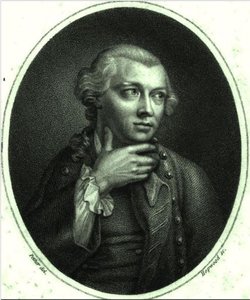
乔治·史密斯
1713 - 1776 , 英国
艺术家简介
- Artistic Movement Or Style: 风景画
- Artists Or Movements Influenced By This Artist:
- 康斯特布尔
- 透纳
- Artists Who Influenced This Artist:
- 克劳德·洛兰
- 加斯帕德·杜盖
- Date Of Birth: 1713/1714
- Date Of Death: 1782
- Full Name: 理查德·威尔逊
- Nationality: 英国
- Notable Artworks:
- 尼俄伯
- 多佛桥
- 蒂沃利
- Place Of Birth: 威尔士,莫德
相关文章
Harmonizing Contrasts: Integrating Abstract Art into Classic Interiors for Timeless Modernity
Elevate your classic home with abstract art! Discover expert tips for seamlessly blending modern pieces into timeless interiors. Find the perfect artwork & design advice at OriginalUniqueArt.

Thomas Stuart Smith: A Study in British Impressionism & the Poetic Landscape
Explore the captivating world of Thomas Stuart Smith (1815-1869), a Scottish painter bridging Romantic realism and British Impressionism. Discover his genre scenes, philanthropic legacy & stunning interiors.

乔治·修拉25幅杰作:点彩主义大师的艺术之旅 | OriginalUniqueArt
探索乔治·修拉25幅传世杰作!深入了解点彩画法、后印象派的艺术魅力,感受光与色彩的奇妙。OriginalUniqueArt.com提供高品质修拉作品复制品,为您的家居空间增添经典艺术气息。立即在线探索完整系列!

乔治·布拉克:25幅大师杰作,重塑现代艺术与家居美学 | OriginalUniqueArt
探索乔治·布拉克25幅大师杰作,领略立体主义的魅力与现代艺术的精髓。从早期作品到经典油画,OriginalUniqueArt为您呈现法式优雅与家居装饰灵感。高清艺术复制品,点亮您的空间!立即在OriginalUniqueArt.com发现更多。

Intimate Interiors: Domestic Life & Artistic Representation from Renaissance to Impressionism
Explore the evolution of domestic life in Western art from the Renaissance to Impressionism. Discover symbolism, realism & artistic techniques shaping intimate interior scenes. Learn more with OriginalUniqueArt.