
 实景预览
实景预览
 发送
发送 分享
分享
 详情
详情 指南
指南

 下载图片
下载图片
 相似作品
相似作品 X射线
X射线 幻灯片播放
幻灯片播放 统计数据
统计数据The tightrope walker

 阅读全文
阅读全文
艺术微喷/版画
博物馆级艺术微喷或帆布版画,制作高效,并提供多种饰面选择。 ( 订购此收藏品的纯手工复刻画作 切换至数字图像销售渠道)




P118B $10

P118H $10

P118W $10

P438Z $10

P508JH $12

P508YH $12

P805H $10

P805Z $10

P919BZ $10

P919G $10

P919XJ $10

P959ZH $10

P968JZ $12

W106C $8

W218G $10

W218JH $8

W218Y $10

W307PJ $10

W316G $10

W316PJ $8

W316Y $10

W398PJ $8

W4111J $10

W500HY $15

W500JH $15

W692G $12

W849H $8

W940BG $15

W953PJ $8




您可以从与原作比例一致的预设尺寸中进行选择。

您可以输入自定义尺寸,以适配特定的画框或空间。如果您选择的尺寸与原图比例不符,我们将对作品进行裁剪,或通过镜像填充/纯色填充边缘的方式来扩展图像。在开始制作之前,我们会向您发送一份数字效果图供您确认。
请注意,屏幕上的预览并不能反映实际的裁剪或扩展效果。只有效果图才能准确展示最终的构图。
虽然我们提供定制尺寸,但为了保持原图比例,我们建议您从预设列表中选择尺寸。


 玻璃选项仅适用于110厘米以下的尺寸。

The tightrope walker
艺术微喷/版画
复刻品尺寸说明
-


总计金额
$ 80
Captivating Subject and Symbolism
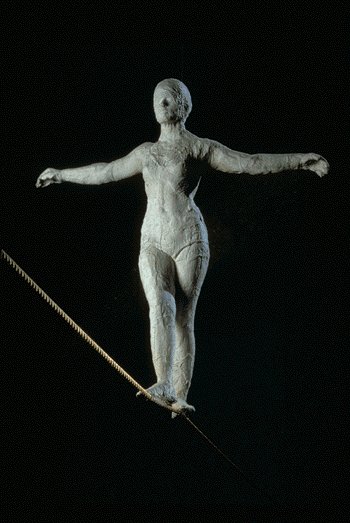
This striking sculpture captures a human figure delicately balanced on a taut rope, embodying themes of fragility, tension, and resilience. The figure’s poised stance, with outstretched arms and a slightly turned head, evokes a moment of introspection and vulnerability. Symbolically, it reflects the precariousness of human existence, the constant effort to maintain equilibrium amidst life's uncertainties, and the strength required to persevere through challenges. This powerful representation invites viewers to contemplate their own moments of balance and vulnerability, making it a profound addition to any collection or space.Distinctive Style and Artistic Technique
Created in a modern minimalist style, this sculpture emphasizes form and emotional expression over ornate detail. The rough, textured surface suggests a medium like plaster or a similar material, crafted through a process pioneered by the artist involving plaster bandages. This technique results in hollow, raw forms that highlight the imperfections and rawness of human vulnerability. The monochromatic palette, primarily in shades of white or light gray, enhances the sculpture’s stark contrast against dark backgrounds, drawing attention to its textured surface and expressive posture. Dramatic lighting accentuates the contours and shadows, adding depth and a luminous quality that heightens its visual impact.Historical Context and Artistic Significance
George Segal, an influential figure in the American pop art movement, revolutionized sculpture with his innovative use of plaster bandages to create life-sized figures. Although initially known for stark white sculptures, Segal later introduced monochrome colors and even bronze casts, emphasizing raw emotion and social commentary. This piece exemplifies his mastery in capturing human vulnerability and resilience, echoing the social and artistic explorations of the late 20th century. Its minimalist aesthetic aligns with modernist principles, making it a timeless work that resonates with contemporary themes of human fragility and strength.Emotional Impact and Interior Design Appeal
This sculpture’s evocative presence makes it a compelling centerpiece in both private and public spaces. Its emotional depth fosters reflection and conversation, inspiring viewers with its portrayal of delicate balance and resilience. The textured surface and dramatic lighting create a captivating visual experience, whether displayed in a gallery, a modern living room, or a sophisticated office. Its universal themes and minimalist elegance make it an ideal choice for interior designers seeking to add a thought-provoking, high-quality art piece that elevates the ambiance and invites personal interpretation.Perfect for Art Collectors and Enthusiasts
As a high-quality reproduction of a work by George Segal, this sculpture offers art lovers and collectors an opportunity to own a piece that embodies modernist innovation and emotional depth. Its symbolic subject matter and masterful technique make it a valuable addition to any art collection, while its aesthetic versatility ensures it complements a variety of interior styles. Whether displayed as a standalone statement or part of a curated collection, this sculpture promises to inspire and engage for generations to come.艺术家简介
George Segal (1924 – 2000): The Poetic Void of Everyday Life
George Segal was a pivotal figure in American Pop Art, renowned for his distinctive sculptural approach that combined meticulous craftsmanship with profound emotional resonance. Born in New York City in 1924 to Jewish immigrants from Eastern Europe, Segal’s upbringing instilled in him an appreciation for both artistic tradition and intellectual curiosity—a duality that would profoundly shape his creative vision. He pursued formal education at Stuyvesant High School, Pratt Institute, Cooper Union, and NYU, earning a teaching degree in 1949, establishing a foundation for his future career as an educator and artist.- Early Career & Influences: Segal’s artistic journey began with painting, absorbing influences from Surrealism and Abstract Expressionism, particularly the work of Franz Kline and Willem de Kooning. However, he swiftly transitioned to sculpture, recognizing its potential for conveying complex ideas through simplified forms.
- The Plaster Bandage Technique: Segal revolutionized sculptural technique by pioneering the use of plaster bandages—specially designed gauze strips impregnated with plaster—as his primary medium. This innovative method involved wrapping a model in bandages in sections, removing hardened forms, and reconstructing them with additional plaster to create hollow shells. Unlike traditional molds, these shells retained the texture of the bandages, resulting in sculptures that possessed an inherent physicality and vulnerability.
Sculptural Innovation: Life-Size Casts & Melancholic Urban Scenes
Segal’s sculptural output is characterized by its striking simplicity—life-size figures placed within meticulously constructed urban environments crafted from found objects like benches, bus shelters, and diner tables. These scenes evoke a sense of isolation and contemplation, mirroring the artist's own preoccupation with themes of mortality and human experience. The figures themselves are rendered in muted tones, devoid of excessive detail, contributing to their ghostly appearance and conveying an atmosphere of melancholic beauty. This deliberate reductionist style aligns perfectly with Pop Art’s rejection of emotional excess and its focus on confronting everyday realities.- The Process: Segal initially painted his sculptures white, reflecting the original plaster form. Later, he transitioned to bronze casting, sometimes patinating it white to emulate the texture of the plaster bandages—a testament to his commitment to preserving the materiality of his process.
- Symbolism & Atmosphere: The figures’ stillness and anonymity serve as powerful symbols of human existence, prompting viewers to consider questions about identity, solitude, and the passage of time. Segal's environments amplify this effect, creating spaces that feel both familiar and unsettling.
Recognition & Legacy
George Segal’s contribution to American art was formally acknowledged in 1999 when he received the United States National Medal of Arts—a prestigious honor bestowed upon individuals who have made significant contributions to the arts. His sculptures continue to resonate with audiences worldwide, celebrated for their understated elegance and profound psychological depth. Segal's work stands as a cornerstone of Pop Art’s exploration of existential concerns within the context of modern life, cementing his place as one of the most influential sculptors of the 20th century.Notable Works
Some of Segal’s most celebrated pieces include “Three People on 4 Benches,” “Two Bathers,” and “The Tightrope Walker”—each embodying the artist's signature style and conveying a poignant meditation on human vulnerability and urban solitude. These sculptures are currently housed in prominent museums across North America and Europe, ensuring that Segal’s artistic vision will endure for generations to come.Further Exploration
For more information about George Segal’s life and work, please refer to the Wikipedia article: Wikipedia.
George Segal
1924 - 2000 , United States of America
快速概览
- Artistic Movement Or Style: Pop Art
- Artists Or Movements Influenced By This Artist: ['']
- Artists Who Influenced This Artist: ['']
- Date Of Birth: November 26, 1924
- Date Of Death: June 9, 2000
- Full Name: George Segal
- Nationality: American
- Notable Artworks:
- Three People on 4 Benches
- Two bathers
- The tightrope walker
- Place Of Birth: New York City, U.S.
相关文章

乔治·修拉25幅杰作:点彩主义大师的艺术之旅 | OriginalUniqueArt
探索乔治·修拉25幅传世杰作!深入了解点彩画法、后印象派的艺术魅力,感受光与色彩的奇妙。OriginalUniqueArt.com提供高品质修拉作品复制品,为您的家居空间增添经典艺术气息。立即在线探索完整系列!

乔治·布拉克:25幅大师杰作,重塑现代艺术与家居美学 | OriginalUniqueArt
探索乔治·布拉克25幅大师杰作,领略立体主义的魅力与现代艺术的精髓。从早期作品到经典油画,OriginalUniqueArt为您呈现法式优雅与家居装饰灵感。高清艺术复制品,点亮您的空间!立即在OriginalUniqueArt.com发现更多。

Bronze Sculptures That Defined Art History | OriginalUniqueArt
Journey through art history with our Top 10 bronze sculptures! Explore masterpieces by Rodin, Michelangelo & more. Discover stories behind iconic statues and find museum-quality reproductions for your home decor at OriginalUniqueArt.com.

The Enduring Form: Sculpture Across History, Technique & Emotional Resonance
Explore the rich history of sculpture with OriginalUniqueArt. Discover key techniques, influential artists & investment potential for discerning collectors. Expert insights into valuing and collecting timeless masterpieces.

The Enduring Form: Exploring Themes & Techniques in Sculpture Across Historical Periods
Explore the rich history of sculpture from ancient masterpieces to contemporary innovations. Discover key techniques, influential artists & investment potential for discerning art collectors.