

 实景预览
实景预览
 发送
发送 分享
分享
 详情
详情 指南
指南

 下载图片
下载图片
 相似作品
相似作品 X射线
X射线 幻灯片播放
幻灯片播放 统计数据
统计数据Suicide
 Acrylic On Canvas
- WallArt
- Expressionist Satire
 1916
1916- 19th Century
 100.0 x 77.0 cm
 阅读全文
阅读全文
手工油画复制品
由我们的艺术家按需定制,为您提供您所选尺寸及画框的布面手工油画。 ( 切换至版画销售渠道 切换至数字图像销售渠道)




P118B ¥10

P118H ¥10

P118W ¥10

P438Z ¥10

P508JH ¥12

P508YH ¥12

P805H ¥10

P805Z ¥10

P919BZ ¥10

P919G ¥10

P919XJ ¥10

P959ZH ¥10

P968JZ ¥12

W106C ¥8

W218G ¥10

W218JH ¥8

W218Y ¥10

W307PJ ¥10

W316G ¥10

W316PJ ¥8

W316Y ¥10

W398PJ ¥8

W4111J ¥10

W500HY ¥15

W500JH ¥15

W692G ¥12

W849H ¥8

W940BG ¥15

W953PJ ¥8




您可以从与原作比例一致的预设尺寸中进行选择。

请输入您需要的宽度和高度,以适配您的画框或墙面。由于作品为手工绘制,若您选择不同的尺寸比例,艺术家可能会在画面边缘多画一些或稍作裁剪 —— 由您决定。在开始绘画之前,我们会为您发送一份数字效果图供您确认。本页面上展示的图片并非最终实物 —— 只有效果图才能反映真实结果。
下单后,OriginalUniqueArt.com 团队将通过电子邮件联系客户获取具体要求,并提供效果预览图


 玻璃选项仅适用于110厘米以下的尺寸。

Suicide
复制品材质
复刻品尺寸说明
-


总计金额
¥ 2017
A Descent into Despair: George Grosz's "Suicide"
George Grosz’s “Suicide,” painted in 1916, is not merely a depiction of death; it’s a raw, unflinching scream against the moral and societal collapse engulfing Germany during the tumultuous years preceding World War I. Executed on canvas measuring 100 x 77 cm, this work embodies Grosz's signature style – a brutal synthesis of social satire and Expressionist fervor. The scene unfolds with a chilling realism: a man lies prone, head buried in his hands, suggesting an act of self-destruction, while surrounding figures react with varying degrees of apathy, grief, or morbid curiosity. This isn’t a romanticized tragedy; it's a stark confrontation with the anxieties and disillusionment that permeated Weimar Berlin.
The Anatomy of Disillusionment: Style and Technique
Grosz’s technique is immediately recognizable – characterized by jagged lines, distorted forms, and a deliberately unsettling palette dominated by somber browns, greys, and muted reds. He employs a heavily textured surface, achieved through thick impasto application of paint, which adds to the painting's visceral impact. The figures are rendered with an almost caricature-like quality, exaggerating features to amplify their emotional states. Notice the meticulous detail in the open umbrella held by one figure – a seemingly insignificant element that subtly underscores the scene’s bleakness and perhaps hints at a futile attempt to shield oneself from the storm of despair. The use of strong diagonals creates a sense of unease and instability, mirroring the fractured state of society depicted.
Historical Context: Weimar Berlin and the Seeds of Destruction
"Suicide" was created during a period of profound social and political upheaval in Germany. The Weimar Republic, born from the ashes of the German Empire, struggled to establish itself amidst economic instability, hyperinflation, and rampant political extremism. Grosz’s art served as a scathing critique of this era, exposing the corruption, moral decay, and disillusionment that fueled the rise of fascism. The presence of the two dogs adds another layer of interpretation – perhaps symbolizing loyalty betrayed or the primal instincts unleashed by societal breakdown. The year 1916 was particularly fraught with tension, marked by ongoing war efforts and growing social unrest, making this painting a potent reflection of the anxieties of the time.
Symbolism and Emotional Resonance
Beyond its immediate depiction of suicide, “Suicide” is laden with symbolic weight. The figures represent not just individuals but broader societal forces – the indifference of the wealthy, the paralysis of bureaucracy, and the destructive consequences of unchecked ambition. The overall atmosphere is one of profound sadness and hopelessness, a feeling intensified by Grosz’s masterful use of light and shadow. This artwork continues to resonate with viewers today, serving as a timeless reminder of the fragility of human existence and the enduring power of art to confront uncomfortable truths. It's a powerful statement on the human condition, rendered with unflinching honesty and artistic brilliance.
问答详情
"Suicide" 的色调饱和度如何?
"Suicide" 的色调饱和度为 Balanced Soft。
乔治·格罗兹 (Qiáo Zhì Gélāozī) 的《Suicide》 使用了什么技法?
《Suicide》采用Acrylic On Canvas创作。
是否有面向学生的 乔治·格罗兹 (Qiáo Zhì Gélāozī) 的《Suicide》 详情页?
乔治·格罗兹 (Qiáo Zhì Gélāozī) 的《Suicide》 的 指南 页面提供了一份可打印的两页式学生资料单:包含作品及其身份信息表、将其置于艺术家生平中的年代轴、艺术家的其他作品、经测量的色板,以及四种格式的即用型引用文献。
艺术家简介
破碎世界的讽刺者:乔治·格罗兹的一生与艺术
乔治·格罗兹,原名格奥尔格·埃伦弗里德·格罗斯,1893年出生于柏林,是一位敏锐的视觉记录者,他忠实地描绘了社会衰败和政治动荡。他的艺术并非仅仅是时代的产物——那个动荡不安的魏玛共和国和法西斯主义兴起的时代——更是一种本能的反应,一种以尖锐线条和怪诞 caricature 形式呈现的愤怒控诉。格罗兹不仅仅描绘柏林,他解剖了它,毫不掩饰地揭露其道德腐朽。他早年生活动荡不安,父亲去世后,母亲不得不经营军官食堂,年轻的格奥尔格置身于普鲁士军事主义和僵化社会等级的世界之中——一个他后来会无情地进行讽刺的世界。他的正规艺术训练始于对传统荷兰大师如爱德华·冯·格吕茨纳的细致临摹,磨练了他的绘画技巧,然后他抛弃了学院派惯例,走上了一条更加挑衅的道路。然而,早期的这种严格训练为他独特的表现主义风格奠定了基础。达达、新客观主义与批判视角的诞生
格罗兹的艺术发展与一战后德国蓬勃发展的先锋运动密不可分。他成为柏林达达派的核心人物,拥抱其虚无主义精神和反体制热情。然而,与一些沉迷于纯粹荒诞的达达主义同伴不同,格罗兹将达达的反叛能量引导到尖锐的社会评论中。他在这一时期的作品——如《深渊》(1921年)和《社会支柱》(1926年)——是对德国资产阶级、军方精英和导致国家灾难的腐败政治体制的严厉谴责。他并不追求审美美,而是试图震惊、激怒并揭露虚伪。这种对社会批判的承诺演变为他对“新客观主义”(Neue Sachlichkeit)运动的参与,该运动以其对当代生活的现实而又毫不动摇的描绘为特征。虽然分享了新客观主义对现实主义的关注,但格罗兹赋予它一种独特的辛辣讽刺,使他与该运动的其他艺术家区分开来。他的绘画和素描不仅仅是对现实的再现,更是对一个岌岌可危的社会的扭曲反映。流亡与转变:新世界,风格的改变
纳粹主义的兴起迫使格罗兹于1933年流亡。他找到庇护所在美国,并在1938年成为美国公民。这次搬迁标志着他艺术生涯的一个重要转折点。脱离了直接促成他最有力作品的环境,并面对一套不同的社会和政治现实,格罗兹的风格开始转变。过于激进的 caricature 让位于更加沉稳的风景画和肖像画,通常带有忧郁和幻灭感。虽然他在纽约艺术学生联盟继续展览和教学,但他的作品缺乏柏林时期那种原始的紧迫感。他努力在新环境中找到立足点,与疏离感和艺术不确定性作斗争。这一时期出现的末日景象——描绘荒凉风景和支离破碎的人物形象的绘画——反映了欧洲正在发生的恐怖事件,也反映了他内心的动荡。遗产与持久的相关性
乔治·格罗兹于1959年返回柏林,不久后去世,这是一个感人至深的回归之旅,回到既激励又困扰他的城市。他的遗产远远超出了魏玛德国的历史背景。他仍然是一位敢于直面不适的真相并挑战社会规范的艺术家的强大榜样。- 讽刺力量: 格罗兹对 caricature 的精湛运用至今仍在激励着艺术家和评论家。
- 社会评论: 他毫不掩饰地批判社会弊病,在仍然面临不平等、腐败和政治两极分化的世界中仍然具有非凡的相关性。
- 历史见证: 他的艺术为了解一战后德国的社会和政治气候提供了宝贵的见解,为理解导致第二次世界大战的力量提供了一个生动的视角。
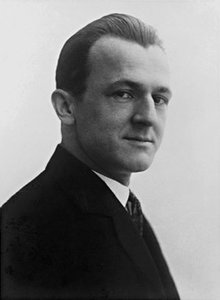
乔治·格罗兹 (Qiáo Zhì Gélāozī)
1893 - 1959 , 中国
快速概览
- 代表作品:
- 《深渊》
- 《煽动者》
- 《社会支柱》
- 全名: 乔治·格罗兹
- 出生地: 德国柏林
- 出生日期: 1893年7月26日
- 国籍: 德国
- 艺术运动或风格: 达达主义,新客观主义
- 逝世日期: 1959年7月6日
相关文章

OriginalUniqueArt.com F.A.Q.: Elevate Your Decor with Premium Textured Giclée Prints
Discover the distinction of OriginalUniqueArt.com premium textured Giclée prints. Expertly crafted with archival 12-color pigments and museum-grade substrates, our prints offer unparalleled vividness for the discerning collector seeking luxury, durability, and timeless elegance.


