

 实景预览
实景预览
 发送
发送 分享
分享
 详情
详情 指南
指南

 下载图片
下载图片
 相似作品
相似作品 X射线
X射线 幻灯片播放
幻灯片播放 统计数据
统计数据Erotic scene


 阅读全文
阅读全文
手工油画复制品
由我们的艺术家按需定制,为您提供您所选尺寸及画框的布面手工油画。 ( 切换至版画销售渠道 切换至数字图像销售渠道)




P118B ¥10

P118H ¥10

P118W ¥10

P438Z ¥10

P508JH ¥12

P508YH ¥12

P805H ¥10

P805Z ¥10

P919BZ ¥10

P919G ¥10

P919XJ ¥10

P959ZH ¥10

P968JZ ¥12

W106C ¥8

W218G ¥10

W218JH ¥8

W218Y ¥10

W307PJ ¥10

W316G ¥10

W316PJ ¥8

W316Y ¥10

W398PJ ¥8

W4111J ¥10

W500HY ¥15

W500JH ¥15

W692G ¥12

W849H ¥8

W940BG ¥15

W953PJ ¥8




您可以从与原作比例一致的预设尺寸中进行选择。

请输入您需要的宽度和高度,以适配您的画框或墙面。由于作品为手工绘制,若您选择不同的尺寸比例,艺术家可能会在画面边缘多画一些或稍作裁剪 —— 由您决定。在开始绘画之前,我们会为您发送一份数字效果图供您确认。本页面上展示的图片并非最终实物 —— 只有效果图才能反映真实结果。
下单后,OriginalUniqueArt.com 团队将通过电子邮件联系客户获取具体要求,并提供效果预览图


 玻璃选项仅适用于110厘米以下的尺寸。

Erotic scene
复制品材质
复刻品尺寸说明
-


总计金额
¥ 2187
A Raw Examination of Desire: George Grosz's Erotic Scene
George Grosz’s “Erotic Scene,” painted in watercolor on paper, is more than just a depiction of intimacy; it’s a searing indictment of the moral and social landscape of early 20th-century Germany. Created during the turbulent years of the Weimar Republic – a period defined by rapid industrialization, political instability, and a growing sense of societal decay – this artwork embodies Grosz's signature style: a brutally honest portrayal of human vulnerability and corruption. The scene unfolds with an arresting immediacy, capturing two figures locked in a passionate embrace, rendered with a deliberate lack of sentimentality that reflects the artist’s profound disillusionment.
- Historical Context: Grosz's work emerged from a period of immense social upheaval. The rise of fascism and the erosion of traditional values fueled his artistic rebellion, prompting him to expose the hypocrisy and moral bankruptcy he saw within German society.
- The Artist’s Vision: Grosz rejected academic conventions early in his career, prioritizing emotional impact over technical perfection. This is evident in the loose brushwork and distorted forms that contribute to the painting's unsettling power.
Technique and Materiality – A Dance of Wet Watercolor
The artwork’s remarkable effect stems directly from Grosz’s masterful manipulation of watercolor, a medium he embraced with an almost obsessive intensity. The dominant technique is “wet-on-wet,” where washes of color are applied to damp paper, allowing them to bleed and blend seamlessly. This creates a sense of fluidity and movement that perfectly captures the dynamism of the embrace. Hatching and cross-hatching are employed subtly for shading, adding depth without sacrificing the overall softness. The visible texture of the paper grain – a hallmark of watercolor – isn’t merely an accident; it's deliberately incorporated to enhance the tactile quality of the piece and evoke a sense of raw vulnerability.
- Layering and Glazing: Grosz skillfully utilizes layering and glazing techniques, building up tones gradually to achieve depth and luminosity.
- Material Choices: The use of watercolor on paper is crucial to the artwork’s aesthetic – it lends itself perfectly to the impressionistic style and the artist's desire to convey emotion over precise representation.
Symbolism, Emotion, and a Flattened Reality
The composition itself is deliberately unsettling. The figures are arranged in a central, almost claustrophobic space, their bodies intertwined with an intensity that borders on desperation. The flattened perspective – a deliberate rejection of traditional spatial realism – further intensifies the emotional impact, drawing the viewer into the scene and fostering a sense of intimacy and vulnerability. The muted color palette – dominated by pinks, creams, browns, and grays – contributes to the artwork’s melancholic atmosphere, suggesting a profound sadness beneath the surface of desire. The lack of sharp lines or defined edges reinforces this feeling, creating an impression of fragility and impermanence.
- Emotional Resonance: The painting evokes feelings of sensuality, vulnerability, and perhaps even a touch of despair – mirroring Grosz’s broader exploration of human suffering.
- Symbolic Weight: The scene can be interpreted as a metaphor for the loss of innocence and the destructive forces at play within society.
A Legacy of Social Commentary
“Erotic Scene” stands as a testament to George Grosz’s unwavering commitment to social realism and his willingness to confront uncomfortable truths. It's a powerful reminder of the artist's ability to translate personal disillusionment into a universally resonant critique of human nature and societal decay. This reproduction offers an unparalleled opportunity to experience firsthand the raw power and enduring relevance of one of Grosz’s most iconic works – a piece that continues to provoke, challenge, and captivate viewers over a century after its creation.
问答详情
是否可以下载"Erotic scene"的高分辨率版本?
您可以在 乔治·格罗兹 (Qiáo Zhì Gélāozī) 的《Erotic scene》 的 数字图像 页面购买其数字图像:高分辨率数字图像下载。
"Erotic scene" 的作者是谁?属于哪种艺术流派?
"Erotic scene" 由 乔治·格罗兹 (Qiáo Zhì Gélāozī) 以 Expressionistic Satire 流派风格创作而成。艺术家与艺术流派共同定义了作品的传承。
乔治·格罗兹 (Qiáo Zhì Gélāozī) 的《Erotic scene》 在艺术史中处于怎样的地位?
从历史上看,"Erotic scene" 是广义上 19th Century 时期的 Expressionistic Satire 时期作品。
艺术家简介
破碎世界的讽刺者:乔治·格罗兹的一生与艺术
乔治·格罗兹,原名格奥尔格·埃伦弗里德·格罗斯,1893年出生于柏林,是一位敏锐的视觉记录者,他忠实地描绘了社会衰败和政治动荡。他的艺术并非仅仅是时代的产物——那个动荡不安的魏玛共和国和法西斯主义兴起的时代——更是一种本能的反应,一种以尖锐线条和怪诞 caricature 形式呈现的愤怒控诉。格罗兹不仅仅描绘柏林,他解剖了它,毫不掩饰地揭露其道德腐朽。他早年生活动荡不安,父亲去世后,母亲不得不经营军官食堂,年轻的格奥尔格置身于普鲁士军事主义和僵化社会等级的世界之中——一个他后来会无情地进行讽刺的世界。他的正规艺术训练始于对传统荷兰大师如爱德华·冯·格吕茨纳的细致临摹,磨练了他的绘画技巧,然后他抛弃了学院派惯例,走上了一条更加挑衅的道路。然而,早期的这种严格训练为他独特的表现主义风格奠定了基础。达达、新客观主义与批判视角的诞生
格罗兹的艺术发展与一战后德国蓬勃发展的先锋运动密不可分。他成为柏林达达派的核心人物,拥抱其虚无主义精神和反体制热情。然而,与一些沉迷于纯粹荒诞的达达主义同伴不同,格罗兹将达达的反叛能量引导到尖锐的社会评论中。他在这一时期的作品——如《深渊》(1921年)和《社会支柱》(1926年)——是对德国资产阶级、军方精英和导致国家灾难的腐败政治体制的严厉谴责。他并不追求审美美,而是试图震惊、激怒并揭露虚伪。这种对社会批判的承诺演变为他对“新客观主义”(Neue Sachlichkeit)运动的参与,该运动以其对当代生活的现实而又毫不动摇的描绘为特征。虽然分享了新客观主义对现实主义的关注,但格罗兹赋予它一种独特的辛辣讽刺,使他与该运动的其他艺术家区分开来。他的绘画和素描不仅仅是对现实的再现,更是对一个岌岌可危的社会的扭曲反映。流亡与转变:新世界,风格的改变
纳粹主义的兴起迫使格罗兹于1933年流亡。他找到庇护所在美国,并在1938年成为美国公民。这次搬迁标志着他艺术生涯的一个重要转折点。脱离了直接促成他最有力作品的环境,并面对一套不同的社会和政治现实,格罗兹的风格开始转变。过于激进的 caricature 让位于更加沉稳的风景画和肖像画,通常带有忧郁和幻灭感。虽然他在纽约艺术学生联盟继续展览和教学,但他的作品缺乏柏林时期那种原始的紧迫感。他努力在新环境中找到立足点,与疏离感和艺术不确定性作斗争。这一时期出现的末日景象——描绘荒凉风景和支离破碎的人物形象的绘画——反映了欧洲正在发生的恐怖事件,也反映了他内心的动荡。遗产与持久的相关性
乔治·格罗兹于1959年返回柏林,不久后去世,这是一个感人至深的回归之旅,回到既激励又困扰他的城市。他的遗产远远超出了魏玛德国的历史背景。他仍然是一位敢于直面不适的真相并挑战社会规范的艺术家的强大榜样。- 讽刺力量: 格罗兹对 caricature 的精湛运用至今仍在激励着艺术家和评论家。
- 社会评论: 他毫不掩饰地批判社会弊病,在仍然面临不平等、腐败和政治两极分化的世界中仍然具有非凡的相关性。
- 历史见证: 他的艺术为了解一战后德国的社会和政治气候提供了宝贵的见解,为理解导致第二次世界大战的力量提供了一个生动的视角。
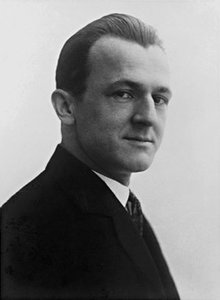
乔治·格罗兹 (Qiáo Zhì Gélāozī)
1893 - 1959 , 中国
快速概览
- 代表作品:
- 《深渊》
- 《煽动者》
- 《社会支柱》
- 全名: 乔治·格罗兹
- 出生地: 德国柏林
- 出生日期: 1893年7月26日
- 国籍: 德国
- 艺术运动或风格: 达达主义,新客观主义
- 逝世日期: 1959年7月6日
相关文章

Liquid Gold: Master the Bold & Fluid Power of Watercolor Art
Unlock the bold energy of watercolor art. From historical masterpieces to custom photo-to-watercolor transformations, discover how to master the fluid power of light and pigment for your modern space. Expertly curated, high-impact art for the contemporary collector.

Ephemeral Visions: Exploring the Artistic Legacy & Contemporary Practice of Watercolor Painting
Explore the captivating world of watercolor painting! Discover its rich history, essential techniques, influential artists & collecting tips. A comprehensive guide for art enthusiasts from OriginalUniqueArt.

水彩艺术的流光溢彩:历史渊源、情感共鸣与现代实践
探索水彩艺术的流光溢彩!深入了解其历史渊源、大师技法与现代实践。提供专业的艺术咨询、定制油画服务,助您收藏和鉴赏优秀作品。OriginalUniqueArt.com – 您的艺术之选。

Watercolor Wonders: 10 Masterpieces That Redefined Art History | OriginalUniqueArt
Journey through 10 legendary watercolor masterpieces by Sargent, Turner & Homer! Explore iconic landscapes, portraits & floral art that redefined history. Find museum-quality reproductions and curated decor ideas at OriginalUniqueArt.com.

Ephemeral Visions: Exploring the Artistic Legacy & Nuances of Watercolor Painting
Explore the captivating world of watercolor painting! Discover its rich history, essential techniques, influential artists & collecting tips from art experts. A comprehensive guide for enthusiasts.


