
 实景预览
实景预览
 分享
分享 分享
分享
 详情
详情 指南
指南

 下载作品
下载作品
 相似作品
相似作品 X射线
X射线 幻灯片播放
幻灯片播放 Q&A
Q&A 统计数据
统计数据Artist and Model

- 115.0 x 75.0 cm


 展开全文
展开全文
艺术微喷/版画
博物馆级艺术微喷或帆布版画,制作高效,并提供多种饰面选择。 ( 订购纯手工绘制画作 切换至数字图像销售渠道)




P118B ¥10

P118H ¥10

P118W ¥10

P438Z ¥10

P508JH ¥12

P508YH ¥12

P805H ¥10

P805Z ¥10

P919BZ ¥10

P919G ¥10

P919XJ ¥10

P959ZH ¥10

P968JZ ¥12

W106C ¥8

W218G ¥10

W218JH ¥8

W218Y ¥10

W307PJ ¥10

W316G ¥10

W316PJ ¥8

W316Y ¥10

W398PJ ¥8

W4111J ¥10

W500HY ¥15

W500JH ¥15

W692G ¥12

W849H ¥8

W940BG ¥15

W953PJ ¥8




您可以从与原作比例一致的预设尺寸中进行选择。

请输入您所需的宽度和高度,以适配您的画框或墙面。由于印刷品只能进行裁剪,无法超出原图尺寸,因此若比例不一致,画面的一部分将会被裁切。在正式印刷之前,我们会为您发送一份数字效果图供您确认。本页面显示的图片并非最终裁剪后的效果——只有效果图才能展示真实的裁剪情况。


 玻璃选项仅适用于110厘米以下的尺寸。

Artist and Model
艺术微喷/版画
复刻品尺寸
-


最终结算价
¥ 537
Artist and Model: A Glimpse into Weimar Berlin
George Grosz's "Artist and Model," painted in 1928, is a captivating representation of the complex relationship between an artist and his muse within the turbulent social landscape of Weimar Berlin. This oil on canvas masterpiece, measuring 115 x 75 cm, exemplifies the Verism style, known for its unflinching realism and critical portrayal of society.
The Artist's Background and Style
George Grosz (1893-1959) was a German artist renowned for his satirical drawings and paintings depicting the decadence and social unrest prevalent in Berlin during the 1920s. A prominent figure within the Berlin Dada and New Objectivity movements, Grosz's work served as a sharp critique of bourgeois values and political corruption. His style is characterized by the use of oil on canvas, often employing exaggerated features and distorted perspectives to convey his message. He was born Georg Ehrenfried Groß in Stolp (now Słupsk, Poland), and later changed his name to George Grosz as a protest against German nationalism.
Decoding the Painting: Subject and Composition
The painting depicts a nude female figure standing with her back turned to the viewer, positioned before a man who is presumably an artist holding a paintbrush. The composition creates a dynamic tension; the woman's averted gaze suggests vulnerability or perhaps defiance, while the artist’s posture implies observation and creative intent. A chair and two other figures in the background add depth and complexity to the scene. Grosz masterfully utilizes Verism techniques to render the figures with stark realism, highlighting their physical presence and emotional undertones. The setting is ambiguous, suggesting an outdoor studio or a private encounter.
Historical Context and Symbolism
Created during the Weimar Republic, a period of significant social and political upheaval in Germany, "Artist and Model" reflects the era's anxieties and moral ambiguities. The painting can be interpreted as a commentary on the commodification of women within the art world and the power dynamics inherent in artistic creation. Grosz’s work often satirized German society, exposing its hypocrisy and decadence. The choice to depict the model nude further emphasizes this critique, challenging conventional notions of beauty and representation. The painting's style aligns with New Objectivity (Neue Sachlichkeit), a movement that rejected Expressionism's emotional intensity in favor of a more detached and realistic portrayal of reality.
Emotional Impact and Lasting Legacy
"Artist and Model" evokes a sense of melancholy and introspection. The muted color palette, dominated by earth tones, contributes to the painting’s somber mood. While seemingly straightforward, the work invites viewers to contemplate the complexities of human relationships, artistic inspiration, and the societal forces that shape our perceptions. Grosz's unflinching portrayal of reality continues to resonate with audiences today, solidifying his place as a significant figure in 20th-century art.
- Similar Works: Explore other notable works by George Grosz such as "Suicide" and "Portrait of the Writer Max Herrmann Neisse" for further insight into his artistic vision.
- Learn More: Visit OriginalUniqueArt.com to discover more about George Grosz and his works.
常见问题与解答
关于“Artist and Model”的建议打印规格——尺寸与方向为何?
对于“Artist and Model”,建议的打印设置尺寸为 Medium,方向为 Portrait。
"Artist and Model" 的规格与尺寸是多少?
"Artist and Model" 的形式为 Portrait,原件尺寸为 115 x 75 cm。这两项信息在规划复制品时都非常有用。
乔治·格罗兹 (Qiáo Zhì Gélāozī) 的《Artist and Model》 的推荐打印尺寸是多少?
建议将“Artist and Model”打印为 Medium 尺寸。其他尺寸亦可按相同比例进行制作。
艺术家简介
破碎世界的讽刺者:乔治·格罗兹的一生与艺术
乔治·格罗兹,原名格奥尔格·埃伦弗里德·格罗斯,1893年出生于柏林,是一位敏锐的视觉记录者,他忠实地描绘了社会衰败和政治动荡。他的艺术并非仅仅是时代的产物——那个动荡不安的魏玛共和国和法西斯主义兴起的时代——更是一种本能的反应,一种以尖锐线条和怪诞 caricature 形式呈现的愤怒控诉。格罗兹不仅仅描绘柏林,他解剖了它,毫不掩饰地揭露其道德腐朽。他早年生活动荡不安,父亲去世后,母亲不得不经营军官食堂,年轻的格奥尔格置身于普鲁士军事主义和僵化社会等级的世界之中——一个他后来会无情地进行讽刺的世界。他的正规艺术训练始于对传统荷兰大师如爱德华·冯·格吕茨纳的细致临摹,磨练了他的绘画技巧,然后他抛弃了学院派惯例,走上了一条更加挑衅的道路。然而,早期的这种严格训练为他独特的表现主义风格奠定了基础。达达、新客观主义与批判视角的诞生
格罗兹的艺术发展与一战后德国蓬勃发展的先锋运动密不可分。他成为柏林达达派的核心人物,拥抱其虚无主义精神和反体制热情。然而,与一些沉迷于纯粹荒诞的达达主义同伴不同,格罗兹将达达的反叛能量引导到尖锐的社会评论中。他在这一时期的作品——如《深渊》(1921年)和《社会支柱》(1926年)——是对德国资产阶级、军方精英和导致国家灾难的腐败政治体制的严厉谴责。他并不追求审美美,而是试图震惊、激怒并揭露虚伪。这种对社会批判的承诺演变为他对“新客观主义”(Neue Sachlichkeit)运动的参与,该运动以其对当代生活的现实而又毫不动摇的描绘为特征。虽然分享了新客观主义对现实主义的关注,但格罗兹赋予它一种独特的辛辣讽刺,使他与该运动的其他艺术家区分开来。他的绘画和素描不仅仅是对现实的再现,更是对一个岌岌可危的社会的扭曲反映。流亡与转变:新世界,风格的改变
纳粹主义的兴起迫使格罗兹于1933年流亡。他找到庇护所在美国,并在1938年成为美国公民。这次搬迁标志着他艺术生涯的一个重要转折点。脱离了直接促成他最有力作品的环境,并面对一套不同的社会和政治现实,格罗兹的风格开始转变。过于激进的 caricature 让位于更加沉稳的风景画和肖像画,通常带有忧郁和幻灭感。虽然他在纽约艺术学生联盟继续展览和教学,但他的作品缺乏柏林时期那种原始的紧迫感。他努力在新环境中找到立足点,与疏离感和艺术不确定性作斗争。这一时期出现的末日景象——描绘荒凉风景和支离破碎的人物形象的绘画——反映了欧洲正在发生的恐怖事件,也反映了他内心的动荡。遗产与持久的相关性
乔治·格罗兹于1959年返回柏林,不久后去世,这是一个感人至深的回归之旅,回到既激励又困扰他的城市。他的遗产远远超出了魏玛德国的历史背景。他仍然是一位敢于直面不适的真相并挑战社会规范的艺术家的强大榜样。- 讽刺力量: 格罗兹对 caricature 的精湛运用至今仍在激励着艺术家和评论家。
- 社会评论: 他毫不掩饰地批判社会弊病,在仍然面临不平等、腐败和政治两极分化的世界中仍然具有非凡的相关性。
- 历史见证: 他的艺术为了解一战后德国的社会和政治气候提供了宝贵的见解,为理解导致第二次世界大战的力量提供了一个生动的视角。
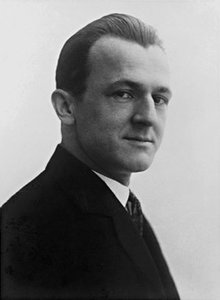
乔治·格罗兹 (Qiáo Zhì Gélāozī)
1893 - 1959 , 中国
艺术家简介
- 代表作品:
- 《深渊》
- 《煽动者》
- 《社会支柱》
- 全名: 乔治·格罗兹
- 出生地: 德国柏林
- 出生日期: 1893年7月26日
- 国籍: 德国
- 艺术运动或风格: 达达主义,新客观主义
- 逝世日期: 1959年7月6日
相关文章

乔治·布拉克:25幅大师杰作,重塑现代艺术与家居美学 | OriginalUniqueArt
探索乔治·布拉克25幅大师杰作,领略立体主义的魅力与现代艺术的精髓。从早期作品到经典油画,OriginalUniqueArt为您呈现法式优雅与家居装饰灵感。高清艺术复制品,点亮您的空间!立即在OriginalUniqueArt.com发现更多。
The Allure of the Pose: Representations of 'Model' Through Art History
Explore the fascinating history of the 'art model' through centuries of painting! Discover academic techniques, social contexts & the evolving role of models in art. OriginalUniqueArt offers custom reproductions and expert consultation.

柏林国立博物馆25幅杰作:艺术、历史与家居灵感 | OriginalUniqueArt
探索柏林国立博物馆25幅艺术杰作!从纳菲蒂蒂到佩加蒙祭坛,深入了解艺术史、艺术家故事与创作灵感。OriginalUniqueArt.com提供高品质艺术复制品,为您的家居带来博物馆级装饰体验。立即在线探索完整系列!

乔治·修拉25幅杰作:点彩主义大师的艺术之旅 | OriginalUniqueArt
探索乔治·修拉25幅传世杰作!深入了解点彩画法、后印象派的艺术魅力,感受光与色彩的奇妙。OriginalUniqueArt.com提供高品质修拉作品复制品,为您的家居空间增添经典艺术气息。立即在线探索完整系列!
达达主义:二十世纪初反艺术革命与理性颠覆的美学探索
深入探索二十世纪初达达主义的反艺术革命,解读杜尚现成品背后的哲学思辨与康德理性批判的影响。OriginalUniqueArt为您提供专业的艺术品鉴赏、定制复制及收藏咨询服务。


