
 效果预览
效果预览
 切换至印刷版
 分享
分享 分享
分享
 详情
详情

 下载
下载
 相似作品
相似作品 X射线
X射线 幻灯片播放
幻灯片播放The Dance
 Oil On Canvas
- WallArt
- Impressionism
 1910
1910 50.0 x 35.0 cm
 美國國家藝術博物館
 展开详情
展开详情




P118B $10

P118H $10

P118W $10

P438Z $10

P508JH $12

P508YH $12

P805H $10

P805Z $10

P919BZ $10

P919G $10

P919XJ $10

P959ZH $10

P968JZ $12

W106C $8

W218G $10

W218JH $8

W218Y $10

W307PJ $10

W316G $10

W316PJ $8

W316Y $10

W398PJ $8

W4111J $10

W500HY $15

W500JH $15

W692G $12

W849H $8

W940BG $15

W953PJ $8




从与原作比例一致的预设尺寸中进行选择。

您可以输入自定义尺寸,以适配特定的画框或空间。如果所选尺寸与原图比例不符,我们将通过裁剪作品或添加手绘元素来扩展画面。数字样稿将在制作开始前发送给您确认。
请注意,屏幕预览无法准确反映实际的裁剪或扩展效果,只有样稿才能真实呈现最终的构图。
虽然我们提供定制尺寸服务,但为了保留原作比例,建议您从预设列表中选择尺寸。
下单后,OriginalUniqueArt.com 团队将通过电子邮件联系客户获取具体要求,并提供效果预览图。


 玻璃选项仅适用于110厘米以下的尺寸。

The Dance
复制材质
复制品尺寸
-


最终总价
$ 300
作品详情
A Life Forged in Stone: The World of George Grey Barnard
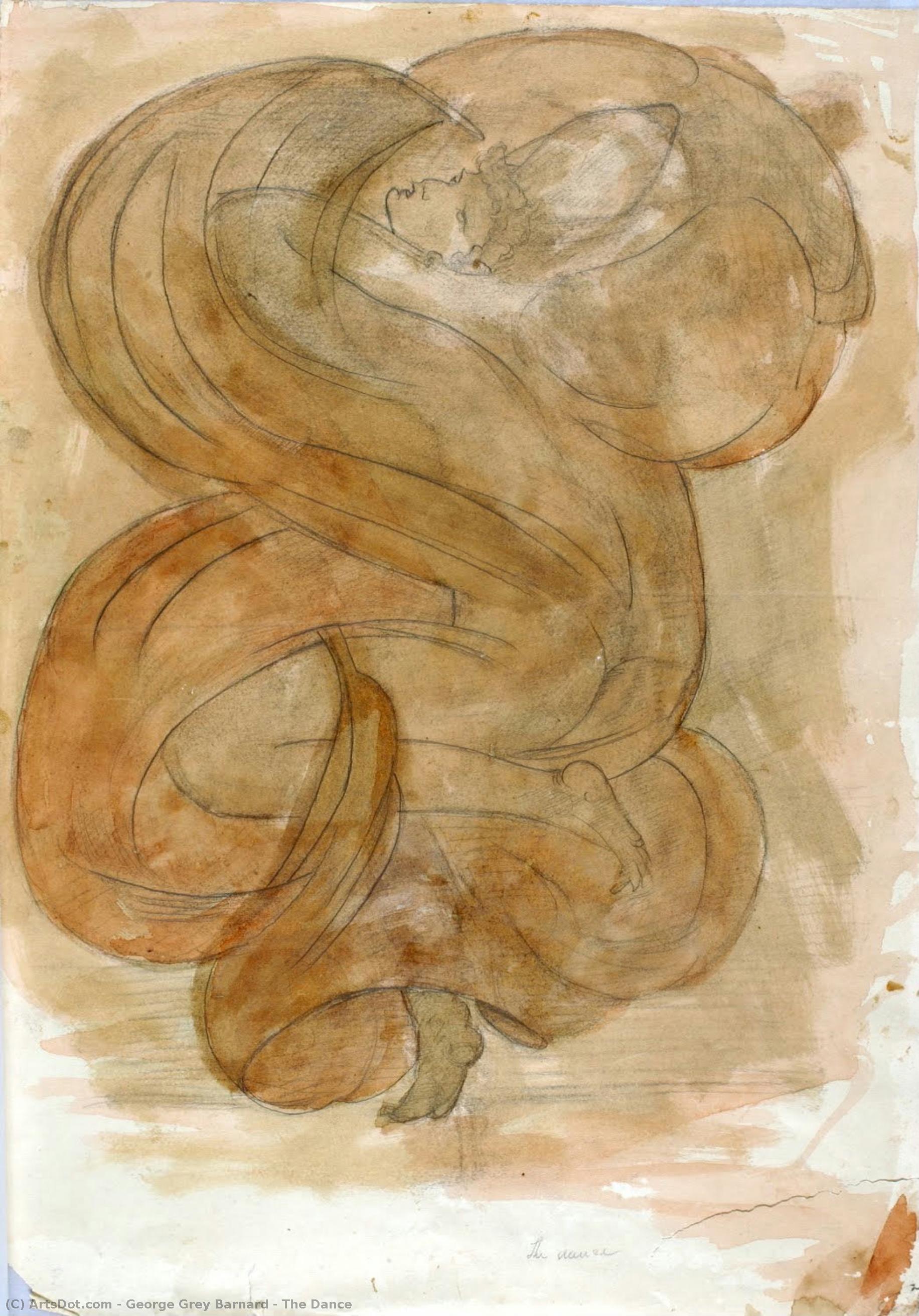
George Grey Barnard, born in Bellefonte, Pennsylvania, in 1863, was an American sculptor whose career unfolded against a backdrop of shifting artistic tides and burgeoning national identity. His life story is one of relentless pursuit – a journey from the rural landscapes of his youth to the hallowed halls of Parisian art academies, and ultimately, to establishing himself as a pivotal figure in American sculpture. The son of a Presbyterian minister, Barnard’s early years were marked by frequent relocation across Illinois, yet it was within this itinerant existence that an artistic sensibility began to blossom. He initially honed his skills at the Art Institute of Chicago under Leonard Volk, demonstrating an innate talent for modeling and form – a foundation upon which he would build a remarkable career. This initial spark propelled him towards Paris in 1883, where he immersed himself in the rigorous training of the École Nationale Supérieure des Beaux-Arts, absorbing the influences of Impressionism and forging his own distinctive artistic voice.The Artwork: “The Dance”
“The Dance,” created between 1898 and 1910, exemplifies Barnard’s masterful command of watercolor and oil wash on paper. Measuring 50 x 35 cm, the painting depicts a woman engaged in movement—a captivating portrayal of grace and dynamism. The artist skillfully captures the essence of dance through careful observation and expressive brushwork. Note the fluid lines delineating the dancer's form, conveying a sense of effortless motion against a softly blurred background. Barnard’s technique prioritizes capturing fleeting moments of emotion and atmosphere, aligning him with the tenets of Impressionism.Style and Technique: Impressionistic Influences
Barnard’s artistic approach is undeniably rooted in Impressionist principles. Like Monet and Renoir, he eschewed meticulous detail in favor of conveying light and color—a deliberate decision to prioritize perceptual experience over photographic realism. The warm hues dominating the palette – ochre yellows, crimson reds, and earthy browns – contribute to an overall feeling of warmth and vibrancy. Barnard’s layering technique—applying thin washes of watercolor followed by thicker oil glazes—creates a textured surface that enhances the illusion of depth and luminosity. This meticulous process underscores his dedication to capturing the subtleties of light and shadow.Historical Context: American Sculpture Emerges
“The Dance” reflects the broader artistic landscape of late 19th-century America, where sculpture was undergoing significant transformation. Prior to Barnard’s arrival in Paris, American sculpture largely adhered to academic conventions—characterized by idealized figures and polished surfaces. However, Barnard's exposure to European avant-garde movements spurred him to experiment with new forms and techniques, signaling a decisive break from tradition. His work aligns with the burgeoning interest in capturing human emotion and movement—a trend that would ultimately propel American sculpture into the 20th century.Symbolism and Emotional Impact
The image itself speaks volumes about themes of freedom, joy, and feminine beauty. The dancer’s posture embodies a spirit of liberation—a rejection of constraints and an embrace of spontaneity. Barnard's masterful use of color and brushwork evokes feelings of energy and passion, inviting the viewer to contemplate the transformative power of art. “The Dance” transcends mere representation; it aspires to communicate an inner state of being—a testament to Barnard’s profound understanding of human psychology and his ability to translate emotion onto canvas.Conclusion: A Legacy of Artistic Innovation
George Grey Barnard's contribution to American sculpture is undeniable. "The Dance," alongside numerous other works, solidified his reputation as a visionary artist who championed Impressionistic ideals while forging an enduring connection with the spirit of his time. It remains a compelling example of artistic innovation—a celebration of movement and emotion that continues to inspire admiration and contemplation decades after its creation.相关文章

乔治·布拉克:25幅大师杰作,重塑现代艺术与家居美学 | OriginalUniqueArt
探索乔治·布拉克25幅大师杰作,领略立体主义的魅力与现代艺术的精髓。从早期作品到经典油画,OriginalUniqueArt为您呈现法式优雅与家居装饰灵感。高清艺术复制品,点亮您的空间!立即在OriginalUniqueArt.com发现更多。

乔治·修拉25幅杰作:点彩主义大师的艺术之旅 | OriginalUniqueArt
探索乔治·修拉25幅传世杰作!深入了解点彩画法、后印象派的艺术魅力,感受光与色彩的奇妙。OriginalUniqueArt.com提供高品质修拉作品复制品,为您的家居空间增添经典艺术气息。立即在线探索完整系列!
纽约大都会艺术博物馆25幅必赏杰作:艺术、历史与家居灵感
探索纽约大都会艺术博物馆25幅传世杰作!从梵高、莫奈到达芬奇,深入了解艺术大师的故事与创作灵感。精美油画复制品,为您的家居带来艺术气息。立即在OriginalUniqueArt.com发现更多经典作品。

惠斯勒大师25幅杰作:艺术、家居与永恒之美 | OriginalUniqueArt
探索詹姆斯·惠斯勒25幅杰作!深入了解夜曲、静谧和谐等经典油画背后的故事与艺术魅力。OriginalUniqueArt.com提供博物馆级复制品,为您的家居带来永恒之美。立即在线探索完整系列!

底特律艺术学院25幅杰作:艺术、历史与家居灵感 | OriginalUniqueArt
探索底特律艺术学院25幅杰作!从梵高的情感自画像到莫奈的光影诗篇,领略艺术的魅力与历史。OriginalUniqueArt.com为您呈现博物馆级复制品和家居装饰灵感。立即在线发现更多经典名画!

