

 实景预览
实景预览
 发送
发送 分享
分享
 详情
详情 指南
指南

 下载图片
下载图片
 相似作品
相似作品 X射线
X射线 幻灯片播放
幻灯片播放 统计数据
统计数据Eve Repentant
 Oil On Canvas
- WallArt
- Symbolist
 1875
1875- 19th Century
 119.0 x 259.0 cm
 泰特不列顛美术馆
 阅读全文
阅读全文
手工油画复制品
由我们的艺术家按需定制,为您提供您所选尺寸及画框的布面手工油画。 ( 切换至版画销售渠道 切换至数字图像销售渠道)




P118B ¥10

P118H ¥10

P118W ¥10

P438Z ¥10

P508JH ¥12

P508YH ¥12

P805H ¥10

P805Z ¥10

P919BZ ¥10

P919G ¥10

P919XJ ¥10

P959ZH ¥10

P968JZ ¥12

W106C ¥8

W218G ¥10

W218JH ¥8

W218Y ¥10

W307PJ ¥10

W316G ¥10

W316PJ ¥8

W316Y ¥10

W398PJ ¥8

W4111J ¥10

W500HY ¥15

W500JH ¥15

W692G ¥12

W849H ¥8

W940BG ¥15

W953PJ ¥8




您可以从与原作比例一致的预设尺寸中进行选择。

请输入您需要的宽度和高度,以适配您的画框或墙面。由于作品为手工绘制,若您选择不同的尺寸比例,艺术家可能会在画面边缘多画一些或稍作裁剪 —— 由您决定。在开始绘画之前,我们会为您发送一份数字效果图供您确认。本页面上展示的图片并非最终实物 —— 只有效果图才能反映真实结果。
下单后,OriginalUniqueArt.com 团队将通过电子邮件联系客户获取具体要求,并提供效果预览图


 玻璃选项仅适用于110厘米以下的尺寸。

Eve Repentant
复制品材质
复刻品尺寸说明
-


总计金额
¥ 2017
A Vision of Sorrow and Spiritual Awakening
In the quiet, evocative depths of George Frederic Watts’ “Eve Repentant,” completed around 1875, viewers are invited into a profound moment of psychological and spiritual vulnerability. As a cornerstone of Victorian Symbolism, this masterpiece transcends a mere biblical illustration; it is an intimate exploration of the human condition, capturing the heavy weight of regret and the flickering light of redemption. The painting presents Eve not as a figure of triumph or simple sin, but as a soul caught in the transformative process of repentance. Her slumped posture and bowed head convey a palpable sense of grief, drawing the observer into a shared experience of mourning and introspection that remains deeply resonant even a century and a half later.
The composition is masterfully orchestrated to guide the emotional journey of the viewer. Watts utilizes a deliberate asymmetry, centering the focus on Eve’s delicate yet burdened form. The surrounding forest setting, while providing a naturalistic backdrop, serves a much deeper symbolic purpose. Amidst the shadows of her despair, two birds appear—one perched upon her shoulder and another hovering nearby—acting as celestial messengers of hope and consolation. These subtle elements suggest that even in the depths of loss, the possibility of spiritual awakening remains ever-present, making the piece an enduring symbol of resilience for any collector seeking art with profound philosophical depth.
Mastery of Symbolist Technique and Texture
Technically, “Eve Repentant” is a triumph of the Symbolist aesthetic, where the artist’s brushwork serves the higher purpose of conveying intangible truths. Working with oil on canvas, Watts achieved a luminous, almost ethereal surface texture that breathes life into the skin of his subject and the surrounding foliage. His technique avoids the starkness of realism, opting instead for meticulous yet soft delineations that emphasize Eve's vulnerability. The way light interacts with the contours of her body creates a sense of movement and presence, as if the very atmosphere of the forest is thick with the weight of her emotions.
For the discerning interior designer or art enthusiast, this painting offers an unparalleled opportunity to introduce a sense of narrative gravity and classical elegance into a space. The rich, earthy tones and the intricate interplay of light and shadow provide a sophisticated focal point that can anchor a room with both dignity and mystery. Whether displayed in a quiet study or as a centerpiece in a grand gallery, a high-quality reproduction of this work brings with it the legacy of the House of Life—Watts’ ambitious cycle intended to represent the universal emotions and aspirations of humanity. To possess such a piece is to hold a fragment of Victorian visionary imagination, offering a timeless window into the eternal dance between shadow and light.
问答详情
什么样的摆放方式最适合 乔治·弗雷德里克·沃茨 的《Eve Repentant》 的画幅?
乔治·弗雷德里克·沃茨 的《Eve Repentant》 的 Tall 格式推荐用于 Living Room。画幅与空间的结合,将为您提供复制品摆放的指引。
乔治·弗雷德里克·沃茨 的《Eve Repentant》 的复制品推荐用于哪些场景?
乔治·弗雷德里克·沃茨 的《Eve Repentant》 的建议用途为 Accent,同时也可用于其他场景。
"Eve Repentant" 的作者是谁?属于哪种艺术流派?
乔治·弗雷德里克·沃茨 在 Symbolist 运动时期创作了《Eve Repentant》。
艺术家简介
早年生活与教育
乔治·弗雷德里克·沃茨是象征主义运动中的杰出人物,于1817年2月23日出生于伦敦马里波恩。他的早年生活充满了挑战,不仅身体素质较为脆弱,且在年幼时便失去了母亲。沃茨的父亲是一位钢琴制造师,他为儿子提供了保守的基督教教育,并引导他接触古典文学,包括《伊利亚特》。这种古典主义的影响,后来成为了他艺术风格的重要基石。艺术生涯
沃茨的艺术之旅始于10岁,当时他在威廉·贝恩斯的指导下学习雕塑。18岁时,他正式进入皇家艺术学院深造。1837年,他在学院的首展标志着其多产艺术生涯的开端。- 1843年,他凭借为新议会大厦壁画设计竞赛提交的素描作品《卡拉克塔克斯》荣获一等奖。
- 随后在意大利的旅居(1843-1847)以及与英国大使亨利·福克斯的交往深刻影响了他的艺术风格,这在他1848年展出的《荷兰夫人》肖像画中可见一斑。
- 回到英国后,他受命为议会大厦创作湿壁画,并于1848年至1853年间完成了这一宏伟工程。
象征主义杰作
沃茨最负盛名的作品包括:- 《希望》与《爱与生命》,这些作品旨在构成一个名为“生命之屋”的史诗级象征主义系列。
- 完成于1852至1853年间的《红十字骑士的胜利》(取自《仙后》),展现了他对寓言题材精湛的驾驭能力。
- 他于1864年创作的演员艾伦·泰瑞肖像,完美诠释了他捕捉人物灵魂本质的非凡天赋。
艺术传承
沃茨对艺术界的影响是无可撼动的。他与象征主义运动的紧密联系,以及他在色彩与形式上的创新运用,使他成为了英国艺术史上备受推崇的人物。在 OriginalUniqueArt.com 探索乔治·弗雷德里克·沃茨的更多杰作收藏沃茨作品的博物馆
- 林肯律师学院,馆藏其湿壁画作品《正义:立法者的半圆》。
- 位于英国吉尔福德的沃茨美术馆——艺术家村,致力于保护沃茨及其同时代艺术家的珍贵遗产。

乔治·弗雷德里克·沃茨
1817 - 1904 , 英国
快速概览
- Artistic Movement Or Style: 象征主义
- Artists Or Movements Influenced By This Artist:
- 浪漫主义
- 拉斐尔前派
- Artists Who Influenced This Artist:
- 威廉·贝恩斯
- 亨利·福克斯
- Date Of Birth: 1817年2月23日
- Date Of Death: 1904年7月1日
- Full Name: 乔治·弗雷德里克·沃茨
- Nationality: 英国
- Notable Artworks:
- 希望
- 爱与生活
- 红十字骑士的胜利
- Place Of Birth: 英国,玛里波恩
相关文章

The Soul of Impressionism: Why Oil on Canvas Captures Eternal Light and Timeless Emotion
Discover the enchanting alchemy of Impressionism. Explore how the mastery of oil on canvas, through glazing and impasto, captures eternal light and emotion. Perfect for lovers of Monet and Van Gogh seeking the profound depth of hand-painted fine art.

画布上的流光溢彩:油画技法、历史沿革与当代实践
深入探索油画技法的历史沿革,从文艺复兴到卡拉瓦乔的革命性创新。了解多层涂布技术如何塑造色彩与光影,并洞悉当代油画实践中的传统与突破。OriginalUniqueArt为您提供专业的艺术品咨询和定制服务。

Oil on Canvas: A Historical & Technical Exploration of a Timeless Artistic Medium
Explore the rich history & enduring techniques of oil painting on canvas. Discover the science behind its longevity, conservation practices, and contemporary relevance. Expert insights for art enthusiasts.

The Enduring Legacy of Oil on Canvas: Technique, History & Aesthetic Impact
Explore the rich history & techniques of oil painting – from Renaissance masters to Impressionism. Discover pigments, layering methods, and why this timeless medium endures. Expert insights for artists & art enthusiasts.
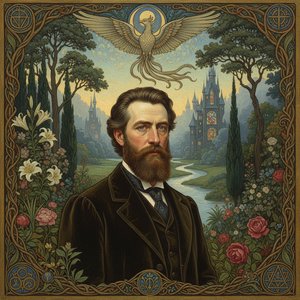
Frederick Waters Watts: A Victorian Vision of Aestheticism & Spiritual Symbolism
Explore the captivating world of Frederick Watts, a key Victorian painter blending aestheticism & spiritual symbolism. Discover his allegorical masterpieces like 'Hope' and delve into his artistic journey with OriginalUniqueArt.