

 实景预览
实景预览
 发送
发送 分享
分享
 详情
详情 指南
指南

 下载图片
下载图片
 相似作品
相似作品 X射线
X射线 幻灯片播放
幻灯片播放 统计数据
统计数据Wi-jún-jon, Pigeon
 Oil On Canvas
- WallArt
- Romantic Landscape Painting
 1831
1831- 19th Century
 73.0 x 60.0 cm
 美國國家藝術博物館
 阅读全文
阅读全文
艺术微喷/版画
博物馆级艺术微喷或帆布版画,制作高效,并提供多种饰面选择。 ( 订购此收藏品的纯手工复刻画作 切换至数字图像销售渠道)




P118B ¥10

P118H ¥10

P118W ¥10

P438Z ¥10

P508JH ¥12

P508YH ¥12

P805H ¥10

P805Z ¥10

P919BZ ¥10

P919G ¥10

P919XJ ¥10

P959ZH ¥10

P968JZ ¥12

W106C ¥8

W218G ¥10

W218JH ¥8

W218Y ¥10

W307PJ ¥10

W316G ¥10

W316PJ ¥8

W316Y ¥10

W398PJ ¥8

W4111J ¥10

W500HY ¥15

W500JH ¥15

W692G ¥12

W849H ¥8

W940BG ¥15

W953PJ ¥8




您可以从与原作比例一致的预设尺寸中进行选择。

请输入您所需的宽度和高度,以适配您的画框或墙面。由于印刷品只能进行裁剪,无法超出原图尺寸,因此若比例不一致,画面的一部分将会被裁切。在正式印刷之前,我们会为您发送一份数字效果图供您确认。本页面显示的图片并非最终裁剪后的效果——只有效果图才能展示真实的裁剪情况。


 玻璃选项仅适用于110厘米以下的尺寸。

Wi-jún-jon, Pigeon
艺术微喷/版画
复刻品尺寸说明
-


总计金额
¥ 538
A Window into the Soul of the Great Plains
In the vast, sweeping expanse of the American frontier, few images possess the haunting resonance of George Catlin’s 1831 masterpiece, Wi-jún-jon, Pigeon. This is not merely a portrait; it is a profound encounter with a vanishing world. Through his meticulous brushwork, Catlin captures the essence of an Assiniboine leader, a man whose very presence commands the canvas. The subject, known also as "The Light," gazes toward a distant horizon with a solemnity that transcends time, inviting the viewer to contemplate the strength and dignity of a culture standing at the precipage of monumental change. For the discerning collector or designer, this piece offers more than aesthetic beauty; it provides a temporal anchor, a window into a moment of historical gravity that remains as palpable today as it was nearly two centuries ago.
The composition is anchored by the commanding figure of the warrior, whose vibrant red shirt serves as a striking focal point against the naturalistic backdrop. This splash of color is not merely decorative but deeply symbolic, representing vitality, courage, and the lifeblood of his people. Catlin’s attention to detail is nothing short of extraordinary, from the intricate arrangement of feathers in the headdress—each one a testament to honor and ancestral wisdom—to the delicate textures of the necklace adorning his neck. The artist employs a technique that marries Romantic idealization with ethnographic precision, using thick impasto strokes to breathe life into the fabric and skin, creating a tactile depth that makes the subject feel almost present in the room.
The Art of Visual Preservation
To understand this painting is to understand the mission of George Catlin himself. Driven by an urgent, almost frantic desire to document the traditions of Native American tribes before they were irrevocably altered by westward expansion, Catlin acted as both artist and visual historian. In Wi-jún-jon, we see the culmination of this devotion. The painting captures a duality of existence: the rugged, untamed spirit of the Great Plains landscape juxtaposed with the profound, quiet dignity of an individual leader. The background, though subtle, suggests a living, breathing ecosystem, hinting at the presence of others and the natural world that sustained the Assiniboine people.
For those looking to integrate such a powerful narrative into a curated space, this reproduction offers an unparalleled opportunity. Whether placed in a sophisticated study, a grand gallery, or as a centerpiece in a contemporary living area, the painting’s emotional weight is undeniable. It evokes a sense of reverence and storytelling, making it an ideal choice for interior designers seeking to add layers of history, texture, and soul to a room. Owning a piece of this caliber is an invitation to participate in the act of preservation, ensuring that the legacy of "The Light" and the artistry of Catlin continue to inspire generations to come.
问答详情
是否有关于 乔治·卡特林 的《Wi-jún-jon, Pigeon》 的指南?
乔治·卡特林 的《Wi-jún-jon, Pigeon》 的 指南 页面提供了一份可打印的两页式学生资料单:包含作品及其身份信息表、将其置于艺术家生平中的年代轴、艺术家的其他作品、经测量的色板,以及四种格式的即用型引用文献。
《Wi-jún-jon, Pigeon》的创作者 乔治·卡特林 是否还有其他艺名?
关于《Wi-jún-jon, Pigeon》的创作者 乔治·卡特林,其记录在案的其他名称包括 乔治·卡特林 (George Catlin), 卡特林。
在 乔治·卡特林 的《Wi-jún-jon, Pigeon》 中,艺术流派与时代背景是如何交汇的?
在乔治·卡特林 的《Wi-jún-jon, Pigeon》中,Romantic Landscape Painting运动与19世纪时代交相辉映。
艺术家简介
乔治·卡特林:记录逝去的印第安文化
乔治·卡特林,生于1796年的宾夕法尼亚州威尔克斯-巴尔,是一位非凡的艺术家、作家和探险家。他的命运与美国西部的原住民文化紧密相连,他毕生的事业便是记录并保存这些在快速变化的时代中逐渐消失的生活方式。卡特林的童年充满了母亲口述的边境故事,这些故事讲述了她在印第安袭击中被俘虏的经历,深深地在他心中埋下了对西部和原住民文化的向往之种。尽管最初接受过法律训练,但他很快意识到自己真正的天分在于绘画,他决心用画笔捕捉那些即将逝去的文化精髓。他放弃了法律事业,全身心投入到艺术创作中,坚信记录这些传统和风貌对于后世至关重要。“印第安画廊”:一场文化的视觉史诗
卡特林的伟大成就莫过于他所创造的“印第安画廊”,这是一个包含超过500幅绘画的宏伟系列作品,旨在描绘北美原住民的生活和文化。从1830年代开始,他进行了五次深入美国西部的探险之旅,沿着密苏里河航行,进入黑脚、苏族、切诺克等部落的领地。卡特林并非仅仅是一个观察者,他积极融入这些社群,参与仪式,见证日常生活,并与部落首领建立联系。他的画作以其逼真的描绘和鲜艳的色彩而著称,不仅捕捉了人物的外貌,更传达了一种对原住民文化尊严和复杂性的深刻理解。例如,《卓克托族球赛》生动地展现了传统游戏的活力,突出了部落社群的精神;而《苏族酋长莫- sho-la-túb-bee肖像》则描绘了一位威严的领导者,他的目光中既有权威,又有智慧。卡特林的风格以细致入微的细节为特点,背景往往包含丰富的元素——景观、帐篷、仪式用品——所有这些都以敏锐的观察力呈现。他试图展现的原住民并非刻板印象中的“野蛮人”,而是拥有丰富文化传统和复杂社会结构的个体,挑战了当时普遍存在的偏见。挑战与认可:献身于文化的保存
尽管《印第安画廊》具有卓越的艺术价值和历史意义,卡特林在获得认可和财政支持方面却面临着诸多挑战。他设想将这批作品捐赠给美国政府,希望它能被永久保存并成为记录原住民文化的一份珍贵遗产,但最初的提案屡遭拒绝。面对困境,他选择带着画廊巡回展览,先是在伦敦、巴黎和布鲁塞尔等地展出,获得了广泛赞誉,向欧洲观众展示了一个他们此前仅从二手资料中了解的世界。卡特林还出版了多本详细记录其旅行经历和观察的书籍,包括《北美印第安人的风俗习惯与状况》(1841)和《在落基山脉和安第斯山脉中的最后游历》(1868),进一步巩固了他作为原住民文化权威的声誉。然而,财政困难始终困扰着他一生。为了挽回部分投资,他重新创作了超过400幅画作,制作成规模较小的“卡通收藏”,但这一努力也未能带来可观的回报。这段时期充满了斗争和一种令人心碎的讽刺——一位致力于保存文化的艺术家,却在为自己的生存而挣扎。历史意义与遗产
乔治·卡特林于1872年去世,留下了一份至今仍具有重要意义的遗产。尽管他生前并未得到充分的认可,但他的作品已被公认为一份记录北美原住民生活的重要历史文献,尤其是在西部扩张带来巨大变化之前。他的画作为我们提供了一个窥视那些经常被误解或忽视的文化的机会。例如,《燃烧的草原》以其戏剧性的描绘和随之而来的骑手,不仅捕捉了景观,还突出了原住民与环境之间的亲密关系。《石管泉,科托奥大草原》展示了这个神圣场所对许多部落的精神意义。《印第安鹰舞》生动地展现了卓克托族传统的仪式,彰显了他们丰富的文化遗产。卡特林的细致记录提供了关于部落习俗、社会结构、宗教信仰和艺术传统的见解——如果没有他敬业的努力,这些信息将永远消失在历史的长河中。他的作品是对文化保护重要性的有力提醒,也是对挑战先入为主观念的呼吁——一位致力于保存逝去生活方式的艺术家,留下了继续启发和塑造我们对美国历史和文化的理解的遗产。主要作品
- 《曼丹男孩的假战斗》 (1832-1833): 一幅生动的画作,描绘了年轻曼丹战士之间轻松愉快的假想战斗。
- 《乔治·卡特林的妻子克拉拉·巴特利特·格雷戈里肖像》(1850): 一幅肖像画,展示了艺术家的妻子,为我们提供了对他的个人生活的见解。
- 《石管泉,科托奥大草原》 (1848): 一幅风景画,捕捉了密苏里河上游的宁静之美,并运用印象派的笔触。
- 《苏族医牛》 (1839): 一幅引人注目的肖像画,捕捉了一位重要苏族领导人的尊严和力量。
- 《燃烧的草原》(1832): 一幅描绘了受控燃烧的戏剧性场景,突出了原住民与环境之间的关系。
- 《杜布克墓,密西西比河上游》 (1836): 一幅风景画,捕捉了密西西比河上游的宁静之美,并运用印象派的笔触。
- 《卓克托族的鹰舞》(1837): 一幅生动的肖像画,描绘了一种传统的卓克托族仪式,展示了他们丰富的文化遗产。
- 《小狼,一位著名的战士》 (1844): 一幅强大的肖像画,象征着一位原住民战士的力量和韧性。

乔治·卡特林
1796 - 1872 , 美国
快速概览
- 全名: 乔治·卡特林
- 出生地点: 美国宾夕法尼亚州威尔克斯-巴尔
- 出生日期: 1796年7月26日
- 去世日期: 1872年12月23日
- 国籍: 美国
- 艺术风格: 前沿绘画
- 著名作品:
- 曼丹人假想战斗
- 燃烧的草原
- 猫石采石场
- 苏族人的药用水牛
- 霍克塔族的鹰舞
相关文章
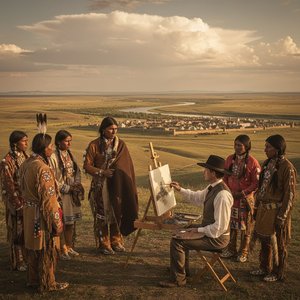
George Catlin: Witnessing & Representing Indigenous Life on the American Frontier
Explore the captivating art of George Catlin, renowned for his vivid portraits & landscapes documenting Native American life on the frontier. Discover a vanishing world through stunning paintings and historical context.

乔治·布拉克:25幅大师杰作,重塑现代艺术与家居美学 | OriginalUniqueArt
探索乔治·布拉克25幅大师杰作,领略立体主义的魅力与现代艺术的精髓。从早期作品到经典油画,OriginalUniqueArt为您呈现法式优雅与家居装饰灵感。高清艺术复制品,点亮您的空间!立即在OriginalUniqueArt.com发现更多。

乔治·修拉25幅杰作:点彩主义大师的艺术之旅 | OriginalUniqueArt
探索乔治·修拉25幅传世杰作!深入了解点彩画法、后印象派的艺术魅力,感受光与色彩的奇妙。OriginalUniqueArt.com提供高品质修拉作品复制品,为您的家居空间增添经典艺术气息。立即在线探索完整系列!
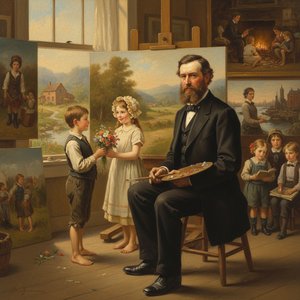
John George Brown: Capturing American Life & Sentiment in 19th-Century Genre Painting
Explore the captivating genre paintings of John George Brown, celebrated for his realistic depictions of 19th-century American life. Discover his legacy & find museum-quality reproductions at OriginalUniqueArt.
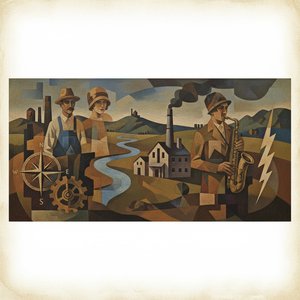
James Otto Lewis: Navigating American Modernism Through Regional Identity & Stylistic Innovation
Explore the captivating portraits of James Otto Lewis, a pivotal figure bridging 19th-century realism & American Modernism. Discover his groundbreaking work documenting Native American culture and regional identity.