

 实景预览
实景预览
 发送
发送 分享
分享
 详情
详情 指南
指南

 下载图片
下载图片
 相似作品
相似作品 X射线
X射线 幻灯片播放
幻灯片播放 统计数据
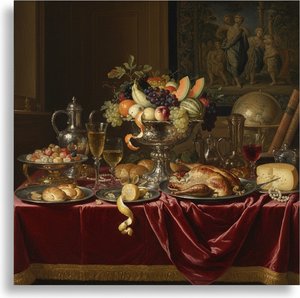
统计数据Still Life
 Oil On Canvas
- WallArt
- Baroque Still Life
 1625
1625 27.0 x 34.0 cm
 大都会艺术博物馆
 阅读全文
阅读全文
艺术微喷/版画
博物馆级艺术微喷或帆布版画,制作高效,并提供多种饰面选择。 ( 订购此收藏品的纯手工复刻画作 切换至数字图像销售渠道)




P118B $10

P118H $10

P118W $10

P438Z $10

P508JH $12

P508YH $12

P805H $10

P805Z $10

P919BZ $10

P919G $10

P919XJ $10

P959ZH $10

P968JZ $12

W106C $8

W218G $10

W218JH $8

W218Y $10

W307PJ $10

W316G $10

W316PJ $8

W316Y $10

W398PJ $8

W4111J $10

W500HY $15

W500JH $15

W692G $12

W849H $8

W940BG $15

W953PJ $8




您可以从与原作比例一致的预设尺寸中进行选择。

您可以输入自定义尺寸,以适配特定的画框或空间。如果您选择的尺寸与原图比例不符,我们将对作品进行裁剪,或通过镜像填充/纯色填充边缘的方式来扩展图像。在开始制作之前,我们会向您发送一份数字效果图供您确认。
请注意,屏幕上的预览并不能反映实际的裁剪或扩展效果。只有效果图才能准确展示最终的构图。
虽然我们提供定制尺寸,但为了保持原图比例,我们建议您从预设列表中选择尺寸。


 玻璃选项仅适用于110厘米以下的尺寸。

Still Life
艺术微喷/版画
复刻品尺寸说明
-


总计金额
$ 80
The Still Life of Georg Flegel: A Window into Moravian Life
Georg Flegel’s “Still Life,” painted around 1625-30 in Frankfurt, is more than just a depiction of food and drink; it's a meticulously crafted tableau offering a glimpse into the daily rhythms and subtle anxieties of life in early 17th-century Moravia. Trained under Flemish masters before settling in the bustling mercantile center of Frankfurt, Flegel developed a distinctive style characterized by an almost unsettling realism—a quality that elevates his still lifes beyond mere arrangements of objects to profound meditations on mortality, abundance, and the precarious balance between earthly pleasures and spiritual concerns. The painting itself is dominated by a linen tablecloth, its folds rendered with painstaking detail, suggesting both domestic comfort and the potential for chaos – a visual metaphor for the complexities of human existence.A Feast for the Eyes, A Reflection for the Soul
The composition is remarkably rich in detail, inviting close inspection. A central cup of tea sits beside a wine glass, overflowing with ruby liquid; a lemon and orange rest on a wooden platter, their vibrant colors contrasting sharply with the muted tones of the surrounding objects. Scattered amongst them are nuts, a loaf of bread bearing a small bird carcass, and another, living bird perched atop it – a striking juxtaposition that immediately draws attention. This deliberate pairing is not merely decorative; it’s laden with symbolic weight. The dead bird, a common motif in still life painting during this period, served as a potent reminder of mortality, a visual representation of *vanitas*—the fleeting nature of earthly possessions and pleasures. The presence of the living bird, however, offers a glimmer of hope, suggesting that even amidst decay, life persists.Technique and Context: The Legacy of Flemish Painting
Flegel’s mastery lies in his ability to capture not just the appearance but also the texture and weight of each object. His use of oil paint is remarkably subtle, creating an illusion of depth and volume through careful layering and blending. He clearly absorbed techniques from his training with Lucas van Valckenborch, evident in the meticulous rendering of fabrics, the realistic portrayal of fruit, and the overall sense of atmospheric perspective. The painting’s provenance—Flegel's early years spent assisting a Flemish master – speaks to the widespread influence of Northern European art during this era. Frankfurt, as a major trading hub, provided Flegel with access to an impressive array of goods, fueling his subject matter and contributing to the richness of his compositions.Symbolism and Emotional Resonance
Beyond its technical brilliance, “Still Life” resonates deeply due to its exploration of universal themes. The arrangement of objects—the abundance juxtaposed with the inevitability of death—reflects a broader cultural preoccupation with mortality during the 17th century. The painting’s quiet intensity invites contemplation on the transient nature of beauty and pleasure, prompting viewers to consider their own place within the cycle of life and death. The subtle humor derived from the bird's placement – a macabre detail amidst the feast—adds another layer of complexity, suggesting that even in the face of mortality, there is room for irony and reflection. It’s a painting that rewards repeated viewing, revealing new layers of meaning with each encounter.A Timeless Masterpiece: Reproductions and Beyond
Today, Georg Flegel's "Still Life" stands as a testament to the enduring appeal of still life painting—a genre that continues to captivate audiences with its ability to evoke both beauty and melancholy. High-quality reproductions offer an accessible way to experience this remarkable work firsthand, allowing us to appreciate Flegel’s skill and insight into the human condition. Whether displayed in a formal gallery or cherished within a private home, “Still Life” remains a powerful reminder of life's fleeting nature and the importance of savoring each moment.艺术家简介
朱塞佩·阿尔钦博托:不可能之境的大师
朱塞佩·阿尔钦博托(Giuseppe Arcimboldo,1527-1638)这个名字,本身就是大胆想象力与无与伦比技艺的代名词。作为一位意大利风格主义画家,他重新定义了肖像画的边界。这位出生于1527年4月5日米兰的艺术家,原名多梅尼科·特奥托科普洛斯(Domenikos Theotokrium),在服侍哈布斯堡宫廷期间,最终以朱塞佩·阿尔钦博托之名传世。他的毕生创作并非仅仅为了描绘形似,而是一场精心编排的视觉叙事表演:他将平凡的物体——水果、蔬菜、花卉、书籍,甚至是乐器——转化为惊人写实且富有深层象征意义的人头肖像。这种独特的艺术手法使他在艺术史上确立了举足轻重的地位,成为了连接文艺复兴理想主义与蓬勃发展的巴洛克时代之间的重要桥梁。 阿尔钦博托的早期职业生涯深深植根于米兰绘画的传统实践之中。他最初从事教堂彩色玻璃和壁画的设计工作,并精通了这些极具挑战性的媒介技法。然而,1562年受任为维也纳皇帝斐迪南一世的宫廷画家,标志着其艺术轨迹发生了戏剧性的转变。在哈布斯堡宫廷中的这一地位,赋予了他前所未有的权力和影响力,使他能够自由地进行实验并发展出极具个人特色的风格。随后,他在布拉格宫廷为马克西米利安二世和鲁道夫二世效力,不仅成为了一名备受推崇的装饰师和服装设计师,甚至还为皇室动物园绘制精美的异域动物图谱——这足以证明其艺术造诣的多样性与广度。- 早期影响:阿尔钦م博托的早期作品展现了当时意大利盛行的晚期风格主义的影响。他吸收了如“阿尔皮诺骑士”朱塞佩·切萨里等艺术家的风格元素,并将其融入到自己独特的艺术语言中。
- 威尼斯技法:1567年移居威尼斯对他而言至关重要,这使他接触到了提香、丁托列托和雅各布·巴萨诺等威尼斯大师那充满生命力的色彩与动态构图。这段经历显著拓宽了他的艺术调色盘与表现技法。
- 法尔内塞圈子:在罗马服侍枢机主教亚历山德罗·法尔内塞期间,是阿尔钦博托进行密集实验与创新的时期。他磨炼了肖像画技艺,为枢机主教那群以好奇心和审美趣味著称的学者圈子创作了令人震撼的图像。
象征主义与文艺复兴新柏拉图主义
关于阿尔钦素托那些非传统肖像背后确切的创作动机,至今仍是学术界争论的话题。虽然一些评论家最初将其斥为仅为了取悦宫廷而设计的奇闻异事,但近期的解读则指向了其与文艺复兴新柏拉图主义更深层的关联——这一哲学运动试图调和古典哲学与基督教神学。使用代表尘世美丽与丰饶的自然元素,可以被视为对神圣领域的寓言化表达;而将这些物体精密地排列在人体形态之中,则反映了“变形统一”的概念——即万物最终都是相互关联并构成单一底层现实的一部分。杰作与艺术遗产
在阿尔钦博托的天才之作中,有几件作品显得尤为卓越。《花神》(约1591年)描绘了一个完全由花卉和植物构成的女性头像,这无疑是他最具标志性的创作。同样,《维图努斯》(1587-1588年)——将鲁道夫二世塑造成罗马丰饶之神的肖像——展示了他对构图的掌控力,以及将无生命物体转化为栩栩如生的人物形象的能力。他后期的作品,如1590年为鲁道夫二世创作的《冬季》,则展现了其技法的日益精进以及对大气透视法更深刻的运用。- 《花神》 (约 1591年):阿尔钦博托标志性风格的典范,赞美了大自然的生命力与丰饶。
- 《维图努斯》 (1587-1588年):将鲁道夫二世描绘为罗马丰饶之神,展示了其创作复杂且富有层次感的构图技巧。
- 《冬季》 (1590年):体现了其对大气透视法日益成熟的掌握以及更加细腻的艺术风格。

格奥尔格·弗莱格
1566 - 1638 , 捷克共和国
快速概览
- Artistic Movement Or Style: 风格主义/早期巴洛克
- Artists Or Movements Influenced By This Artist: ['卡拉瓦乔']
- Artists Who Influenced This Artist:
- 提香
- 丁托列托
- Date Of Birth: 1541
- Date Of Death: 1614
- Full Name: 多梅尼科斯·特奥托科普洛斯
- Nationality: 希腊/西班牙
- Notable Artworks:
- 奥尔加斯伯爵的葬礼
- 托莱多风景
- 圣母升天
- Place Of Birth: 希腊,克里特岛
相关文章

乔治·修拉25幅杰作:点彩主义大师的艺术之旅 | OriginalUniqueArt
探索乔治·修拉25幅传世杰作!深入了解点彩画法、后印象派的艺术魅力,感受光与色彩的奇妙。OriginalUniqueArt.com提供高品质修拉作品复制品,为您的家居空间增添经典艺术气息。立即在线探索完整系列!
Abraham Hendricksz van Beyeren: Pioneering Dutch Still Life & the Banquet Tradition
Explore the captivating world of Dutch Golden Age still life with Abraham van Beyeren. Discover his innovative techniques, symbolic banquet scenes & lasting influence on art history. Learn about collecting these masterpieces.

荷兰黄金时代绘画:文化创新中的现实主义反思
深入探索荷兰黄金时代绘画的文化创新与现实主义反思。本文解读伦勃朗、维米尔等大师的作品,并结合玛莉特·韦斯特曼的图像学研究,揭示艺术史背后的社会语境与现代性意识觉醒。

Dutch Baroque Masters: 10 Paintings That Shaped an Era | OriginalUniqueArt
Journey through the Golden Age with our guide to the Top 10 Dutch Baroque masterpieces! Explore iconic paintings by Rembrandt, Vermeer & Frans Hals. Find museum-quality art reproductions and elevate your home decor at OriginalUniqueArt.com.

乔治·布拉克:25幅大师杰作,重塑现代艺术与家居美学 | OriginalUniqueArt
探索乔治·布拉克25幅大师杰作,领略立体主义的魅力与现代艺术的精髓。从早期作品到经典油画,OriginalUniqueArt为您呈现法式优雅与家居装饰灵感。高清艺术复制品,点亮您的空间!立即在OriginalUniqueArt.com发现更多。

