

 实景预览
实景预览
 发送
发送 分享
分享
 详情
详情 指南
指南

 下载图片
下载图片
 相似作品
相似作品 X射线
X射线 幻灯片播放
幻灯片播放 统计数据
统计数据Passion Flower


 阅读全文
阅读全文
手工油画复制品
由我们的艺术家按需定制,为您提供您所选尺寸及画框的布面手工油画。 ( 切换至版画销售渠道 切换至数字图像销售渠道)




P118B $10

P118H $10

P118W $10

P438Z $10

P508JH $12

P508YH $12

P805H $10

P805Z $10

P919BZ $10

P919G $10

P919XJ $10

P959ZH $10

P968JZ $12

W106C $8

W218G $10

W218JH $8

W218Y $10

W307PJ $10

W316G $10

W316PJ $8

W316Y $10

W398PJ $8

W4111J $10

W500HY $15

W500JH $15

W692G $12

W849H $8

W940BG $15

W953PJ $8




您可以从与原作比例一致的预设尺寸中进行选择。

您可以输入自定义尺寸,以适配特定的画框或空间。如果所选尺寸与原图比例不符,我们将通过裁剪作品或添加手绘元素来扩展画面。数字样稿将在制作开始前发送给您确认。
请注意,屏幕预览无法准确反映实际的裁剪或扩展效果,只有样稿才能真实呈现最终的构图。
虽然我们提供定制尺寸服务,但为了保留原作比例,建议您从预设列表中选择尺寸。
下单后,OriginalUniqueArt.com 团队将通过电子邮件联系客户获取具体要求,并提供效果预览图


 玻璃选项仅适用于110厘米以下的尺寸。

Passion Flower
复制品材质
复刻品尺寸说明
-


总计金额
$ 300
Gene Davis’s “Passion Flower”: A Vertical Symphony of Color
Gene Davis's "Passion Flower," painted in 1968, isn’t merely a depiction of a flower; it’s an immersive experience—a vibrant plunge into the heart of Color Field painting and the Washington Color School. This work, housed within the esteemed San Francisco Museum of Modern Art (SFMOMA), stands as a testament to Davis's pioneering approach to abstraction, utilizing color not to represent form but to evoke feeling and rhythm. The piece immediately commands attention with its bold, vertical stripes—a seemingly simple arrangement that belies a complex interplay of visual elements and a profound exploration of the chromatic spectrum.
Davis’s genius lies in his meticulous control of color and line. Each stripe is an individual entity, a solid block of hue ranging from fiery oranges and passionate reds to cool blues and serene pinks. These colors aren't blended or mixed; they exist as distinct, unyielding planes, creating a dynamic visual texture that shifts with the viewer’s perspective. The consistent width of each line adds to this sense of order and rhythm, while subtle variations in saturation and intensity prevent the composition from feeling static. It’s akin to a carefully orchestrated musical score—a series of deliberate color notes building towards an emotional crescendo.
The Washington Color School and the Rise of Field Painting
To fully appreciate “Passion Flower,” it's crucial to understand its context within the broader art movement of the mid-20th century. Davis was a key figure in the Washington Color School, a group of painters based in Washington D.C. who pushed the boundaries of abstract expressionism by focusing almost exclusively on color and its effects. This movement emerged as a reaction against the gestural brushstrokes and figurative elements prevalent in earlier forms of abstraction. Instead, artists like Davis sought to create paintings that were purely about color—to explore its emotional power and visual resonance without relying on representational imagery.
The Washington Color School’s approach was heavily influenced by the work of Mark Rothko, whose large-scale color field paintings had a profound impact on the group. However, Davis developed his own distinctive style, characterized by his use of vertical stripes and his meticulous attention to detail. His work can be seen as a bridge between Rothko's meditative color explorations and the more dynamic compositions of Morris Louis and Kenneth Noland, both contemporaries within the Color Field movement.
Decoding the Symbolism: Beyond the Floral Subject
While “Passion Flower” ostensibly depicts a flower—a symbol of love, sacrifice, and rebirth—Davis deliberately stripped away any representational elements. The absence of recognizable forms allows the viewer to project their own emotions and associations onto the painting. The vibrant colors themselves carry symbolic weight: red evokes passion and energy, blue suggests tranquility and introspection, while pink hints at tenderness and vulnerability.
Interestingly, the title itself—"Passion Flower"—references the flower's association with the crucifixion of Christ. This religious symbolism adds another layer of meaning to the work, suggesting a connection between earthly beauty and spiritual transcendence. However, Davis’s focus on pure color suggests that he wasn’t interested in literal representation but rather in capturing the *feeling* of passion—its intensity, its complexity, and its transformative power.
A Legacy of Color: Reproduction and Interior Design
Today, “Passion Flower” remains a seminal work of American abstract art. Its bold colors and dynamic composition continue to captivate viewers and inspire artists. High-quality reproductions offer an accessible way to experience the painting’s emotional impact, making it a valuable addition to any collection or interior space. The vertical stripes create a strong visual anchor, adding a touch of sophistication and energy to any room. Consider pairing this artwork with complementary colors—such as earthy greens or warm neutrals—to enhance its vibrancy and create a harmonious aesthetic.
Gene Davis’s “Passion Flower” is more than just a painting; it's an invitation to lose yourself in the world of color, to explore the depths of emotion, and to appreciate the power of abstraction. It stands as a testament to his innovative approach and enduring legacy within the art world.
艺术家简介
色彩的建筑师:吉恩·戴维斯的生命与传承
在二十世纪中叶美国抽象艺术那绚丽夺目的织锦中,很少有线条能像吉恩·戴维斯所编织的那样,闪耀着如此明亮且富有节奏感的光芒。作为色域绘画运动的先驱,戴维斯拥有一种非凡的能力,能够将画布转化为一场关于光影与律动的节奏体验。1920年出生于华盛顿特区,他通往华盛顿色彩学派核心人物的历程并非一蹴而就的抽象化过程,而是一场由敏锐的观察力所驱动的渐进式演变。在拿起画笔创作其标志性的条纹之前,戴维斯曾从事体育记者的工作,这一职业要求对运动、能量以及现场赛事中不断展开的戏剧性冲突保持高度专注——而这些元素,后来都融入了他绘画中那脉动着的垂直线条之中。
他抽象语言的种子,是在与欧洲现代主义的深度对话中播下的。在艺术形成的早年岁月里,戴维斯从保罗·克利和阿希尔·戈尔基}的作品中汲取了深远的灵感,这些艺术家展示了形式如何可以被提炼为纯粹的情感与象征性的重量。通过沉浸在菲利普斯收藏馆的传世杰作中,他开始领悟到:色彩不仅仅是为主题服务的媒介;色彩本身就是主题。这一觉醒让他远离了传统的具象表现,走向了一种革命性的视觉方式,使形状与色调之间的界限开始消融,转化为纯粹的色彩能量。
条纹的律动:创新与技法
1958年标志着戴维斯职业生涯以及美国艺术宏观轨迹的一次地震式转变。正是在这一时期,他开始创作享誉世界的丙烯条纹画,这种技法成为了他无可取代的艺术签名。戴维斯摒弃了抽象表现主义中那种厚重且带有手势痕迹的肌理,转而拥抱丙烯颜料平整且明亮的光泽感。他的构图通常以宏伟的垂直色带为特色,这些色带仿佛在彼此之间震颤,创造出一种光学上的运动感,将观者引入一种催眠般的、富有节奏的迷幻状态。
这些作品远非简单的几何练习,它们是对空间与感知的深度探索。通过运用华盛顿色彩学派的方法,戴维斯强调了色彩的首要地位,让每一条纹理通过明度与饱和度的微妙变化,与相邻的色块进行互动。他的技法赋予了绘画一种独特的“呼吸感”,引导观众的视线在画布上进行垂直的舞蹈。这种对重复与节奏的精妙掌控,使他能够捕捉到城市能量与自然光线的本质,将现代世界的混沌转化为一种既有结构感又极具流动性的视觉语言。
对美国抽象艺术的持久影响
作为华盛顿色彩学派的基石,戴维斯与莫里斯·路易斯和肯尼斯·诺兰德等同时代艺术家一起,帮助重新定义了后绘画性抽象的边界。他的作品见证了克制的力量,以及在有限色调中蕴含的无限可能。即便在他后期的作品中,例如1983年那幅充满感染力的《夜行者》(Night Rider),人们依然能看到他将大胆的色调与复杂的意象相结合的能力,证明了他对色彩的驾驭足以承载深邃且具象征意义的叙事。
吉恩·戴维斯的历史意义在于,他充当了早期抽象艺术那强烈的情感性与后期色域绘画那冷静、精确的理性主义之间的桥梁。他的遗产存在于每一幅将色彩的感官体验置于形式描绘之上的画布之中。通过他那富有节奏感的条纹,他留下了一部视觉交响乐,至今仍在世界各地的收藏家与艺术爱好者心中激荡回响,提醒着我们:艺术可以既如此深邃简约,又如此无穷复杂。

吉恩·戴维斯
1920 - 1985 , 美国
快速概览
- Artistic Movement Or Style: 色彩领域绘画
- Artists Or Movements Influenced By This Artist: ['抽象表现主义']
- Artists Who Influenced This Artist:
- 保罗·克利
- 阿希尔·戈尔基
- Date Of Birth: 1920年8月22日
- Date Of Death: 1985年4月6日
- Full Name: 吉恩·伯纳德·戴维斯
- Nationality: 美国
- Notable Artworks:
- 黑色灰色节拍
- 蓝色狂想
- Place Of Birth: 华盛顿特区
相关文章
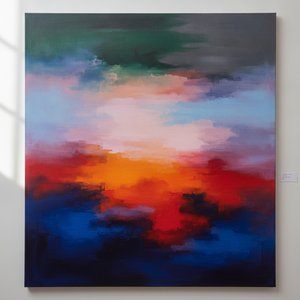
Color Field Painting: The Emotional Power of Pure Abstraction and Chromatic Depth
Explore the profound emotional depth of Color Field painting. Discover the history of mid-century abstraction, from Rothko to Newman, and learn how pure color transforms the viewer's experience through our expert art history guide.

抽象表现主义:十幅定义艺术史的杰作
探索抽象表现主义的十幅经典杰作!波洛克、罗斯科等大师作品,揭秘艺术史上的重要瞬间。OriginalUniqueArt.com为您呈现高品质艺术品复制和精选家居装饰方案,感受现代艺术的力量与魅力。立即浏览全系列!

几何抽象艺术十大杰作:定义现代家居装饰的经典之作
探索几何抽象艺术的十大杰作!康定斯基、蒙德里安等大师作品,色彩构成与非具象之美。OriginalUniqueArt.com提供博物馆级艺术复制品,为您的家居带来现代艺术灵感。立即在线探索完整系列!
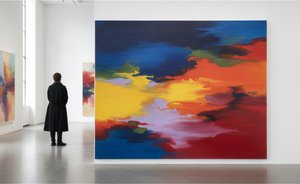
Beyond the Brushstroke: A Definitive Guide to the Emotional Power of Color Field Painting
Explore the profound history and emotional depth of Color Field painting. From Mark Rothko to Barnett Newman, discover how pure color redefined modern art through our expert-led guide for students and collectors alike.

Gene Davis: Chromatic Explorations of Color Field Painting & the Washington Color School
Explore the vibrant world of Gene Davis and the Washington Color School. Discover his iconic stripe paintings, innovative techniques, and lasting impact on American abstract art. A deep dive for collectors & enthusiasts.