

 实景预览
实景预览
 发送
发送 分享
分享
 详情
详情 指南
指南

 下载图片
下载图片
 相似作品
相似作品 X射线
X射线 幻灯片播放
幻灯片播放 统计数据
统计数据untitled (459)

 阅读全文
阅读全文
艺术微喷/版画
博物馆级艺术微喷或帆布版画,制作高效,并提供多种饰面选择。 ( 订购此收藏品的纯手工复刻画作 切换至数字图像销售渠道)




P118B ¥10

P118H ¥10

P118W ¥10

P438Z ¥10

P508JH ¥12

P508YH ¥12

P805H ¥10

P805Z ¥10

P919BZ ¥10

P919G ¥10

P919XJ ¥10

P959ZH ¥10

P968JZ ¥12

W106C ¥8

W218G ¥10

W218JH ¥8

W218Y ¥10

W307PJ ¥10

W316G ¥10

W316PJ ¥8

W316Y ¥10

W398PJ ¥8

W4111J ¥10

W500HY ¥15

W500JH ¥15

W692G ¥12

W849H ¥8

W940BG ¥15

W953PJ ¥8




您可以从与原作比例一致的预设尺寸中进行选择。

请输入您所需的宽度和高度,以适配您的画框或墙面。由于印刷品只能进行裁剪,无法超出原图尺寸,因此若比例不一致,画面的一部分将会被裁切。在正式印刷之前,我们会为您发送一份数字效果图供您确认。本页面显示的图片并非最终裁剪后的效果——只有效果图才能展示真实的裁剪情况。


 玻璃选项仅适用于110厘米以下的尺寸。

untitled (459)
艺术微喷/版画
复刻品尺寸说明
-


总计金额
¥ 537
A Portrait of Pain and Resilience: Decoding Frida Kahlo’s “Untitled (459)”
Frida Kahlo's "Untitled (459)" stands as a haunting testament to the artist’s unwavering spirit amidst profound physical and emotional suffering—a cornerstone of Surrealist art and a deeply personal exploration of identity, mortality, and feminine experience. Painted in 1953, shortly before her passing, this enigmatic canvas transcends mere visual representation; it's an invitation into Kahlo’s inner world, meticulously crafted with symbolic imagery that continues to resonate powerfully today. The photograph itself captures the artwork's rich textures and nuanced details, showcasing Kahlo’s masterful command of technique—primarily oil on canvas—characterized by a deliberate blending of colors and meticulous layering to achieve remarkable luminosity and depth.- Subject Matter: The composition centers around a man in formal attire and a woman adorned with an angel's wings or saintly halo, positioned against a backdrop teeming with symbolic objects – a skull representing death, a bird symbolizing freedom and rebirth, a clock signifying the passage of time and inescapable fate, and a violin hinting at musical expression and emotional vulnerability.
- Style: Kahlo’s work firmly resides within the Surrealist movement championed by André Breton, yet it diverges from purely fantastical explorations. Instead, she employs dreamlike imagery to confront anxieties about pain, trauma, and the complexities of human existence—a technique rooted in her own experiences with polio and a devastating bus accident that irrevocably altered her life trajectory.
- Technique: Kahlo’s meticulous brushstrokes contribute to the painting's palpable atmosphere. She utilized a layering process known as *velatura*, applying thin glazes of color over subsequent layers to build up tonal variations and create an illusionistic effect—a hallmark of Renaissance painting adapted for the Surrealist idiom.
Historical Context: Surrealism and Kahlo’s Artistic Vision
The Surrealist movement emerged in the wake of World War I, rejecting rational thought and embracing the subconscious mind as a source of artistic inspiration. Breton sought to liberate art from the constraints of logic and reason, advocating for experimentation with automatism—a technique involving spontaneous drawing or painting without conscious control—to tap into hidden impulses and desires. Kahlo’s engagement with Surrealism wasn't merely stylistic; it reflected her profound preoccupation with confronting existential anxieties and reclaiming agency in a world marked by trauma and vulnerability. Her art served as a conduit for expressing unspoken emotions and challenging societal expectations regarding femininity and suffering.Symbolism: Layers of Meaning Within the Canvas
“Untitled (459)” is replete with symbols that speak to Kahlo’s personal struggles and broader philosophical concerns. The skull, prominently displayed on the woman's shoulder, embodies mortality but also represents resilience—a reminder that beauty can emerge from darkness and decay. The angel halo signifies purity and spirituality, juxtaposed against the stark reality of human suffering. The bird symbolizes hope and aspiration, striving for liberation from confinement. Even the violin evokes memories of music and emotional expression, mirroring Kahlo’s own artistic vocation and her ability to transform pain into art.Emotional Impact: A Window Into Kahlo's Soul
Ultimately, “Untitled (459)” transcends its formal elements to convey a profound sense of melancholy and introspection—a glimpse into Kahlo’s inner landscape as she wrestled with questions of identity, trauma, and the human condition. The painting compels viewers to confront uncomfortable truths about mortality and vulnerability while simultaneously celebrating the transformative power of art to articulate unspoken emotions and reclaim agency amidst adversity. It remains an enduring masterpiece, embodying Frida Kahlo's unwavering commitment to portraying her own experiences with unflinching honesty and artistic brilliance.问答详情
"untitled (459)" 的艺术风格与其创作时代有何关联?
在弗里达·卡罗 的《untitled (459)》中,Surrealist Painting运动与现代主义时代交相辉映。
弗里达·卡罗 的《untitled (459)》 中占据主导地位的是哪些颜色?
弗里达·卡罗 的《untitled (459)》 采用了 Earthy 色调,并以 Quinacridone Magenta (#735341) 作为主导色。
“untitled (459)”代表了弗里达·卡罗艺术生涯的哪个阶段?
"untitled (459)" 代表了 弗里达·卡罗 的 Mature Period 时期。
艺术家简介
芙里达·卡洛:痛苦与激情编织的生命画卷
芙里达·卡洛,一个名字响彻全球的艺术符号。她不仅仅是一位画家,更是一位用生命书写的传奇,一位以痛苦和激情为笔墨,在画布上描绘自我、文化与命运的女性艺术家。1907年7月6日,芙里达·卡洛出生于墨西哥城科约阿坎的一个蓝色小屋——La Casa Azul,这个小屋后来成为了她的家,也成为了她艺术创作的灵感源泉。她的童年并非一帆风顺,六岁时罹患脊髓灰质炎,留下了终生的残疾和痛苦。然而,正是这些身体上的折磨,促使她转向绘画,将内心的挣扎与渴望倾注于画布之上。父亲吉列尔莫·卡洛是一位德国裔的摄影师,他鼓励芙里达发展自己的兴趣爱好,为她提供了画笔和颜料,这成为了她生命中重要的支持。母亲玛蒂尔德·卡尔德隆·伊·冈萨雷斯则是一位虔诚的天主教徒,拥有混血的印第安血统,芙里达深受墨西哥传统文化的影响。一场改变命运的车祸与艺术的诞生
1925年,十八岁的芙里达遭遇了一场可怕的交通事故,这彻底改变了她的人生轨迹。公交车与电车相撞,芙里达的身体遭受了难以想象的重创——脊椎骨折、骨盆断裂、腿部多处骨折……漫长的康复过程让她长期卧床不起,痛苦和孤独成为了她生活的主旋律。为了排遣内心的苦闷,芙里达开始尝试绘画。母亲为她定制了一张特制的画架,让她可以在床上进行创作。就这样,在病痛的折磨中,芙里达开始了她的艺术生涯。最初的自画像,并非简单的肖像描绘,而是对自身痛苦、脆弱与坚韧的深刻反思。她用画笔记录着自己的身体,记录着自己的情感,将内心的挣扎转化为视觉语言。这些早期的作品,虽然技法尚不成熟,却充满了真挚的情感和独特的风格。与迭戈·里维拉:爱、艺术与冲突
芙里达的艺术之路与另一位伟大的墨西哥艺术家——迭戈·里维拉紧密相连。1928年,她鼓起勇气向里维拉展示了自己的作品,得到了他的肯定和鼓励。两人迅速坠入爱河,并在1929年结为夫妻。他们的婚姻充满了激情、艺术灵感与不断的冲突。里维拉是一位著名的壁画家,他将墨西哥的文化和革命精神融入到自己的创作中。芙里达深受里维拉的影响,她的作品也开始展现出浓厚的墨西哥特色——鲜艳的色彩、朴实的造型以及对传统文化的致敬。然而,他们的婚姻也充满了背叛与痛苦。里维拉的花心和不忠让芙里达备受折磨,她将这些情感上的创伤融入到自己的画作中,创作出了许多充满象征意义的作品。《双重肖像》(Las Dos Fridas)便是其中最具代表性的作品之一,画面中展现了芙里达分裂的自我——一个来自欧洲血统的芙里达,和一个来自墨西哥印第安文化的芙里达。痛苦、象征与女性力量
芙里达·卡洛的作品充满了象征意义和隐喻。她经常使用动物、植物和人体等元素来表达自己的情感和思想。例如,猴子在她的画作中常常出现,既代表着欲望,也象征着保护和关爱;蝴蝶则寓意着自由和希望;而荆棘和受伤的身体则象征着痛苦和挣扎。芙里达的作品不仅仅是对自身经历的记录,更是对女性命运的深刻思考。她勇敢地展现了女性在社会中的困境、身体上的痛苦以及情感上的脆弱。她的作品挑战了传统的性别观念,表达了女性的力量和独立自主的精神。 破碎的柱子(La Columna Rota)是芙里达最具代表性的作品之一,画面中,一个身穿紧身长裙的芙里达站在一根断裂的离子柱前,她的身体被铁丝束缚着,象征着她所承受的巨大痛苦和身体上的残疾。永恒的艺术遗产
尽管芙里达·卡洛在世时并未得到广泛的认可,但她在去世后却成为了20世纪最具影响力的艺术家之一。她的作品超越了国界和文化差异,触动了无数人的心灵。她以其独特的风格、深刻的思想以及对痛苦与坚韧的真挚表达,赢得了全球范围内的赞誉。如今,芙里达·卡洛已经不仅仅是一位画家,更是一种象征——象征着女性的力量、墨西哥的文化以及对生命的无限热爱。她的蓝色小屋成为了博物馆,吸引着来自世界各地的游客前来参观,感受这位伟大艺术家的精神和魅力。芙里达·卡洛的作品将继续激励着人们勇敢地面对生活中的挑战,用艺术表达自我,创造属于自己的生命画卷。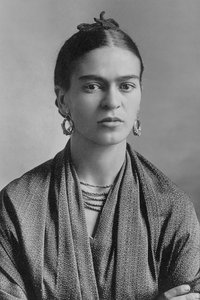
弗里达·卡罗
1907 - 1954 , 墨西哥
快速概览
- 全名: 玛格达莱娜·卡门·弗里达·卡洛·伊·卡尔德隆
- 出生地点: 墨西哥城科约阿坎
- 出生日期: 1907年7月6日
- 受影响的艺术家或运动:
- 奇卡诺艺术
- 女性主义艺术家
- 国籍: 墨西哥人
- 影响艺术家:
- 迭戈·里维拉
- 墨西哥民间艺术家
- 艺术风格: 超现实主义,民间艺术
- 著名作品: ['《二弗里达》、《带荆棘项链的自画像》、《破碎的柱子》、《亨利·福特医院》']
相关文章

Celestial Messengers: Angels in Painting – A Historical & Artistic Exploration
Explore the captivating history of angels in painting! Discover symbolism, iconic Renaissance & Byzantine masterpieces, and renowned artists. Expert insights for art lovers & collectors at OriginalUniqueArt.
Unveiling Frida Kahlo: A Journey Through Her Most Iconic Masterpieces and the Soul of Mexican Surrealism
Embark on a profound journey through Frida Kahlo's most iconic masterpieces. Discover the deep symbolism, Mexican heritage, and resilient spirit behind her legendary works in this expert art-historical exploration designed for true art enthusiasts.
Vibrant Visions: A Definitive Guide to the Masterpieces of Mexican Art History
Explore the profound legacy of Mexican art history, from the monumental murals of 'The Big Three' to the intimate surrealism of Frida Kahlo. A scholarly guide for art lovers seeking deep historical context and the beauty of masterwork reproductions.

Celestial Messengers: A Comprehensive Exploration of Angelic Representation in Art History
Explore the captivating history of angels in art! Discover symbolism, iconic Renaissance masterpieces & renowned artists. Expert insights for art lovers & collectors at OriginalUniqueArt.
Frida Kahlo: A Life Painted – Surrealism, Identity & Autobiographical Narrative
Explore the life & art of Frida Kahlo – a journey through surrealism, identity, pain, and resilience. Discover her autobiographical masterpieces & lasting feminist legacy with OriginalUniqueArt.


