
 效果预览
效果预览
 分享
分享 分享
分享
 详情
详情

 下载
下载
 相似作品
相似作品 X射线
X射线 幻灯片播放
幻灯片播放 统计数据
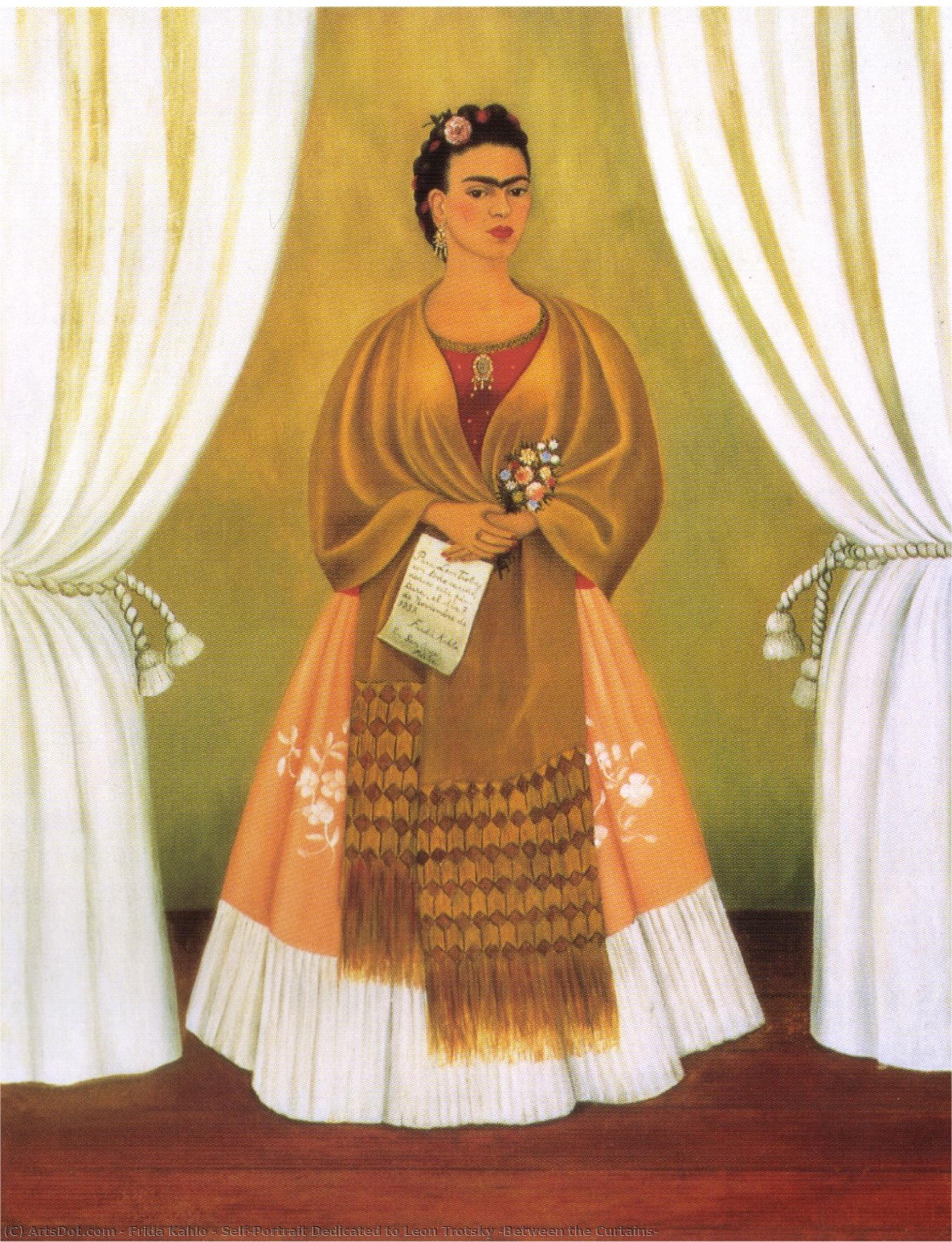
统计数据Self-Portrait Dedicated to Leon Trotsky (Between the Curtains)
 美松纤维板
美松纤维板- Surrealist Movement
 1937
1937- 现代主义
 87.0 x 70.0 cm
 National Museum of Women in the Arts
 展开详情
展开详情
艺术微喷/版画
博物馆级艺术微喷或帆布版画,制作高效,并提供多种饰面选择。 ( 购买手绘画作 切换至数字图像销售渠道)




P118B $10

P118H $10

P118W $10

P438Z $10

P508JH $12

P508YH $12

P805H $10

P805Z $10

P919BZ $10

P919G $10

P919XJ $10

P959ZH $10

P968JZ $12

W106C $8

W218G $10

W218JH $8

W218Y $10

W307PJ $10

W316G $10

W316PJ $8

W316Y $10

W398PJ $8

W4111J $10

W500HY $15

W500JH $15

W692G $12

W849H $8

W940BG $15

W953PJ $8




从与原作比例一致的预设尺寸中进行选择。

您可以输入自定义尺寸,以适配特定的画框或空间。如果您选择的尺寸与原图比例不符,我们将对作品进行裁剪,或通过镜像填充/纯色填充边缘的方式来扩展图像。在开始制作之前,我们会向您发送一份数字效果图供您确认。
请注意,屏幕上的预览并不能反映实际的裁剪或扩展效果。只有效果图才能准确展示最终的构图。
虽然我们提供定制尺寸,但为了保持原图比例,我们建议您从预设列表中选择尺寸。


 玻璃选项仅适用于110厘米以下的尺寸。

Self-Portrait Dedicated to Leon Trotsky (Between the Curtains)
艺术微喷/版画
复制品尺寸
-


最终总价
$ 80
A Gaze Through the Veil: The Soul of Frida Kahlo
In the quiet intensity of 1937, Frida Kahlo captured more than just her likeness; she captured a moment of profound political and personal intersection. Self-Portrait Dedicated to Leon Trotsky (Between the Curpons) stands as a breathtaking testament to an artist navigating the turbulent waters of revolution and romance. As one gazes upon this masterpiece, the viewer is immediately drawn into Kahlo’s magnetic presence. She sits poised, draped in the vibrant textures of her Mexican heritage, her eyes meeting the observer with an unflinching clarity that demands attention. This is not merely a portrait of a woman, but a carefully constructed stage where identity, politics, and vulnerability perform a delicate dance behind a partially drawn curtain.
The painting serves as a poignant historical marker, commemorating the brief yet significant connection between Kahlo and the exiled Russian revolutionary Leon Trotsky. Through the inclusion of a dedication that whispers "with all my love," the artwork transcends the boundaries of personal affection to touch upon the grander narrative of global political upheaval. The setting—a stage-like space framed by heavy curtains—evokes the tradition of Mexican retablos, bringing a sense of sacred devotion to the secular subject. For the collector or lover of fine art, this piece offers a window into an era where personal passion and political conviction were inextricably linked.
The Alchemy of Color and Symbolism
Technically, the work is a triumph of Primitivism blended with Surrealist undertones. Executed on masonite, the painting possesses a raw, tactile quality that mirrors the artist's own physical resilience. Kahlo utilizes a palette that is both earthy and electric; the deep, saturated hues of her embroidered skirt and the lush greenery of the flora contrast sharply against the theatrical backdrop. Every brushstroke feels intentional, designed to ground the fantastical elements of her inner world in the tangible reality of Mexican folk tradition. The patterns within her attire are not merely decorative but serve as a proud reclamation of Mexicanidad, celebrating the indigenous roots and craftsmanship of her homeland.
Beyond the surface beauty lies a complex web of symbolism that continues to captivate art historians and interior decorators alike. The flowers nestled in her hair and the bouquet held in her hand act as symbols of life and beauty blooming amidst the shadows of suffering—a recurring motif in Kahlo’s life marked by physical pain. The curtain itself, pulled back just enough to reveal the subject, acts as a powerful metaphor for the unveiling of the self. It invites the viewer to peer into the private sanctum of her psyche, making the painting an incredibly intimate experience. For those seeking to adorn a space with art that sparks conversation and emotional depth, this reproduction offers a profound sense of narrative complexity and timeless elegance.
An Enduring Legacy for the Modern Collector
To possess a reproduction of this caliber is to bring a piece of art history into the contemporary home. The emotional impact of Kahlo’s work lies in its ability to remain relevant across generations; her themes of resilience, identity, and the courage to be seen are as vital today as they were in 1937. Whether placed in a curated gallery setting or as a focal point in a sophisticated living space, this artwork commands the room with its vibrant energy and historical weight.
For interior designers, the painting offers a versatile centerpiece that complements both modern minimalist aesthetics and richly textured, eclectic decors. Its bold colors can anchor a room's palette, while its deep symbolism provides a layer of intellectual richness to any environment. This is more than a decorative element; it is an invitation to contemplate the strength of the human spirit and the enduring power of art to transform pain into something eternal.
艺术家简介
芙里达·卡洛:痛苦与激情编织的生命画卷
芙里达·卡洛,一个名字响彻全球的艺术符号。她不仅仅是一位画家,更是一位用生命书写的传奇,一位以痛苦和激情为笔墨,在画布上描绘自我、文化与命运的女性艺术家。1907年7月6日,芙里达·卡洛出生于墨西哥城科约阿坎的一个蓝色小屋——La Casa Azul,这个小屋后来成为了她的家,也成为了她艺术创作的灵感源泉。她的童年并非一帆风顺,六岁时罹患脊髓灰质炎,留下了终生的残疾和痛苦。然而,正是这些身体上的折磨,促使她转向绘画,将内心的挣扎与渴望倾注于画布之上。父亲吉列尔莫·卡洛是一位德国裔的摄影师,他鼓励芙里达发展自己的兴趣爱好,为她提供了画笔和颜料,这成为了她生命中重要的支持。母亲玛蒂尔德·卡尔德隆·伊·冈萨雷斯则是一位虔诚的天主教徒,拥有混血的印第安血统,芙里达深受墨西哥传统文化的影响。一场改变命运的车祸与艺术的诞生
1925年,十八岁的芙里达遭遇了一场可怕的交通事故,这彻底改变了她的人生轨迹。公交车与电车相撞,芙里达的身体遭受了难以想象的重创——脊椎骨折、骨盆断裂、腿部多处骨折……漫长的康复过程让她长期卧床不起,痛苦和孤独成为了她生活的主旋律。为了排遣内心的苦闷,芙里达开始尝试绘画。母亲为她定制了一张特制的画架,让她可以在床上进行创作。就这样,在病痛的折磨中,芙里达开始了她的艺术生涯。最初的自画像,并非简单的肖像描绘,而是对自身痛苦、脆弱与坚韧的深刻反思。她用画笔记录着自己的身体,记录着自己的情感,将内心的挣扎转化为视觉语言。这些早期的作品,虽然技法尚不成熟,却充满了真挚的情感和独特的风格。与迭戈·里维拉:爱、艺术与冲突
芙里达的艺术之路与另一位伟大的墨西哥艺术家——迭戈·里维拉紧密相连。1928年,她鼓起勇气向里维拉展示了自己的作品,得到了他的肯定和鼓励。两人迅速坠入爱河,并在1929年结为夫妻。他们的婚姻充满了激情、艺术灵感与不断的冲突。里维拉是一位著名的壁画家,他将墨西哥的文化和革命精神融入到自己的创作中。芙里达深受里维拉的影响,她的作品也开始展现出浓厚的墨西哥特色——鲜艳的色彩、朴实的造型以及对传统文化的致敬。然而,他们的婚姻也充满了背叛与痛苦。里维拉的花心和不忠让芙里达备受折磨,她将这些情感上的创伤融入到自己的画作中,创作出了许多充满象征意义的作品。《双重肖像》(Las Dos Fridas)便是其中最具代表性的作品之一,画面中展现了芙里达分裂的自我——一个来自欧洲血统的芙里达,和一个来自墨西哥印第安文化的芙里达。痛苦、象征与女性力量
芙里达·卡洛的作品充满了象征意义和隐喻。她经常使用动物、植物和人体等元素来表达自己的情感和思想。例如,猴子在她的画作中常常出现,既代表着欲望,也象征着保护和关爱;蝴蝶则寓意着自由和希望;而荆棘和受伤的身体则象征着痛苦和挣扎。芙里达的作品不仅仅是对自身经历的记录,更是对女性命运的深刻思考。她勇敢地展现了女性在社会中的困境、身体上的痛苦以及情感上的脆弱。她的作品挑战了传统的性别观念,表达了女性的力量和独立自主的精神。 破碎的柱子(La Columna Rota)是芙里达最具代表性的作品之一,画面中,一个身穿紧身长裙的芙里达站在一根断裂的离子柱前,她的身体被铁丝束缚着,象征着她所承受的巨大痛苦和身体上的残疾。永恒的艺术遗产
尽管芙里达·卡洛在世时并未得到广泛的认可,但她在去世后却成为了20世纪最具影响力的艺术家之一。她的作品超越了国界和文化差异,触动了无数人的心灵。她以其独特的风格、深刻的思想以及对痛苦与坚韧的真挚表达,赢得了全球范围内的赞誉。如今,芙里达·卡洛已经不仅仅是一位画家,更是一种象征——象征着女性的力量、墨西哥的文化以及对生命的无限热爱。她的蓝色小屋成为了博物馆,吸引着来自世界各地的游客前来参观,感受这位伟大艺术家的精神和魅力。芙里达·卡洛的作品将继续激励着人们勇敢地面对生活中的挑战,用艺术表达自我,创造属于自己的生命画卷。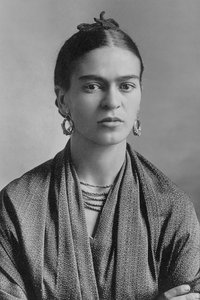
弗里达·卡罗
1907 - 1954 , 墨西哥
艺术家简介
- 全名: 玛格达莱娜·卡门·弗里达·卡洛·伊·卡尔德隆
- 出生地点: 墨西哥城科约阿坎
- 出生日期: 1907年7月6日
- 受影响的艺术家或运动:
- 奇卡诺艺术
- 女性主义艺术家
- 国籍: 墨西哥人
- 影响艺术家:
- 迭戈·里维拉
- 墨西哥民间艺术家
- 艺术风格: 超现实主义,民间艺术
- 著名作品: ['《二弗里达》、《带荆棘项链的自画像》、《破碎的柱子》、《亨利·福特医院》']
相关文章
Unveiling Frida Kahlo: A Journey Through Her Most Iconic Masterpieces and the Soul of Mexican Surrealism
Embark on a profound journey through Frida Kahlo's most iconic masterpieces. Discover the deep symbolism, Mexican heritage, and resilient spirit behind her legendary works in this expert art-historical exploration designed for true art enthusiasts.

The Inner Landscape: Exploring Themes of Introspection in Visual Art Across Movements & Eras
Explore the captivating world of introspective art! Discover how artists across eras – from Rembrandt to Kahlo – used self-portraiture to reveal their inner worlds and emotional depths. A journey through art history & psychology.
Frida Kahlo: A Life Painted – Surrealism, Identity & Autobiographical Narrative
Explore the life & art of Frida Kahlo – a journey through surrealism, identity, pain, and resilience. Discover her autobiographical masterpieces & lasting feminist legacy with OriginalUniqueArt.
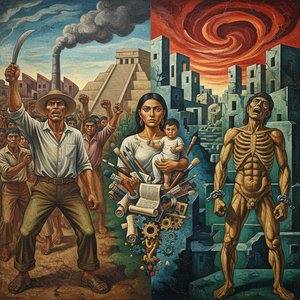
画布上的革命:探索墨西哥壁画运动的社会政治力量与艺术遗产
深入探索墨西哥壁画运动的社会政治力量与艺术遗产。了解里韦拉、奥罗斯科和西凯罗斯等大师的作品,以及这场运动对Chicano艺术和当代艺术的影响。OriginalUniqueArt为您呈现精美复刻作品。

解读超现实主义:十幅定义艺术史的杰作
探索超现实主义的魅力!本文精选十幅定义艺术史的杰作,带您深入了解达利、马格里特等大师的创作故事与技法。从梦境到色彩,感受超现实主义的独特魅力。OriginalUniqueArt.com 提供高品质画作复制品及家居装饰灵感,尽在其中!


