

 效果预览
效果预览
 分享
分享 分享
分享
 详情
详情

 下载
下载
 相似作品
相似作品 X射线
X射线 幻灯片播放
幻灯片播放 统计数据
统计数据An Indian Trapper
 Oil On Canvas
- WallArt
- American West Art
 1889
1889 124.0 x 86.0 cm
 阿蒙·卡特美国艺术博物馆
 展开详情
展开详情
艺术微喷/版画
博物馆级艺术微喷或帆布版画,制作高效,并提供多种饰面选择。 ( 购买手绘画作 切换至数字图像销售渠道)




P118B $10

P118H $10

P118W $10

P438Z $10

P508JH $12

P508YH $12

P805H $10

P805Z $10

P919BZ $10

P919G $10

P919XJ $10

P959ZH $10

P968JZ $12

W106C $8

W218G $10

W218JH $8

W218Y $10

W307PJ $10

W316G $10

W316PJ $8

W316Y $10

W398PJ $8

W4111J $10

W500HY $15

W500JH $15

W692G $12

W849H $8

W940BG $15

W953PJ $8




从与原作比例一致的预设尺寸中进行选择。

您可以输入自定义尺寸,以适配特定的画框或空间。如果您选择的尺寸与原图比例不符,我们将对作品进行裁剪,或通过镜像填充/纯色填充边缘的方式来扩展图像。在开始制作之前,我们会向您发送一份数字效果图供您确认。
请注意,屏幕上的预览并不能反映实际的裁剪或扩展效果。只有效果图才能准确展示最终的构图。
虽然我们提供定制尺寸,但为了保持原图比例,我们建议您从预设列表中选择尺寸。


 玻璃选项仅适用于110厘米以下的尺寸。

An Indian Trapper
艺术微喷/版画
复制品尺寸
-


最终总价
$ 80
An Indian Trapper: A Chronicle of the American West
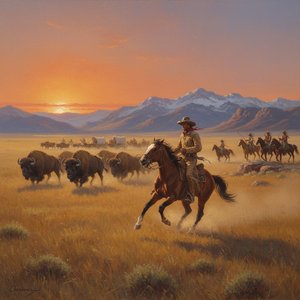
Frederic Remington’s “An Indian Trapper,” painted in 1889, isn't merely a depiction of a solitary figure on horseback; it’s a potent distillation of the burgeoning mythology surrounding the American West during a period of profound transformation. This oil-on-canvas masterpiece captures a moment suspended between tradition and encroaching modernity, embodying both the romanticized vision of frontier life and the unsettling reality of displacement for Native American communities.
The scene unfolds within a vast, rugged landscape—a palette dominated by ochre browns, deep blues, and muted greens. The composition is carefully constructed to emphasize the figure’s isolation and connection to his environment. A lone Native American man, clad in traditional buckskin garments and adorned with a distinctive headdress, surveys the horizon from atop a powerful chestnut horse. His posture exudes quiet confidence and an intimate understanding of the land—a stark contrast to the often-portrayed image of the savage or untamed wilderness.
Remington’s Technique: Bridging Realism and Romanticism
Remington, initially trained as a journalist and illustrator for dime novels, possessed a remarkable ability to synthesize observation with artistic license. “An Indian Trapper” exemplifies this approach. While rooted in meticulous detail—notice the texture of the buckskin, the muscular build of the horse, and the subtle nuances of light and shadow—the painting transcends simple realism. Remington employs a slightly heightened palette and dramatic lighting to evoke a sense of grandeur and timelessness, aligning with the conventions of Romanticism.
His brushwork is loose and expressive, particularly in the depiction of the landscape, suggesting movement and vastness. The horse’s powerful stride is rendered with dynamic energy, while the man's stillness conveys a deep connection to his surroundings. Remington masterfully utilizes color to create depth and atmosphere, drawing the viewer into the heart of the scene.
Symbolism and Historical Context
“An Indian Trapper” emerged during a critical juncture in American history—the late 19th century witnessed escalating conflicts between settlers and Native American tribes following westward expansion. Remington’s work, while often celebrated for its romanticized portrayal of the West, is inextricably linked to this complex historical context. The painting can be interpreted as both an endorsement of the frontier spirit and a subtle commentary on the displacement of indigenous populations.
The figure's solitary stance reflects the increasing isolation experienced by Native Americans as their traditional ways of life were disrupted. The headdress, a symbol of leadership and spiritual authority, subtly hints at the cultural heritage being lost in the face of assimilation. Remington’s decision to depict the man on horseback—a mode of transportation increasingly associated with settlers—underscores this shift.
Emotional Resonance: A Legacy of Interpretation
Despite its historical complexities, “An Indian Trapper” continues to resonate deeply with viewers today. The painting evokes a sense of melancholy and contemplation, prompting reflection on themes of identity, displacement, and the enduring relationship between humans and the natural world. It’s a powerful reminder of a vanishing way of life—a poignant testament to the beauty and tragedy inherent in America's westward expansion.
Reproductions of this iconic artwork offer an accessible means of experiencing Remington’s vision, allowing viewers to appreciate the artistry and historical significance of this enduring masterpiece. Its evocative imagery continues to captivate audiences seeking a glimpse into the heart of the American West.
艺术家简介
一位西部世界的编年史家:弗雷德里克·雷明顿的生平和艺术
弗雷德里克·萨克里德尔·雷明顿,1861年10月4日出生于纽约州坎顿市,并非他所栩栩如生地描绘的狂野西部世界的产物;相反,他是一位通过迷恋和专注研究塑造其艺术身份的东方人。他的血统暗示着一种远离尘土小径和骑兵突击的生活——法国巴斯克人的血统与坚定的新英格兰共和党根源交织在一起,他的父亲是一位内战时代的退役上校和报纸编辑,并且通过远房表亲与著名的雷明顿枪械王朝有着联系。然而,正是早期接触军事主题,加上不安分的精神和敏锐的讲故事能力,让他走上了成为美国西部最受认可的艺术家的道路。他的童年时期在伊利诺伊州的布卢明顿市度过,然后回到坎顿市,最后定居于纽约州的奥古登斯堡市,但他的想象力仍然被边疆生活的故事所吸引。尽管最初被引导到佛蒙特州主教学院接受军事教育,但雷明顿真正的使命并不在于服从命令,而在于观察和通过艺术来诠释周围的世界。他在耶鲁大学的短暂学习经历证实了这一点;足球和素描比正式的学术追求更具吸引力。从插画家到画家:塑造一种艺术愿景
雷明顿的艺术之旅并非始于宏伟的画布,而是始于墨水和纸张。《耶鲁时报》上发表的第一件作品预示着他早期捕捉动作和叙事的才能。1881年对蒙大拿州的旅行点燃了他终生的西部痴迷之情。这不仅仅是一次游客的目光;雷明顿寻求沉浸在文化中,观察牛仔、美洲原住民和当地风景本身。他最初尝试过牧场经营和采矿冒险,但这些都未能成功,使他能够全身心投入到艺术创作中。回到东方后,他很快确立了自己作为《哈珀周刊》和《柯利尔杂志》等杂志的插画家,他对西部场景充满活力的描绘吸引了渴望边疆故事的国家观众。这些插画不仅仅是报道;它们充满了戏剧性、活力和一种浪漫化的西方愿景,与公众想象力产生了深刻共鸣。正是通过这项工作,雷明顿磨练了他的构图技巧,捕捉动作,并传达情感——这些品质后来定义了他的绘画。他接受的正式训练很少,除了在耶鲁大学的一些素描课程以及艺术学生联盟短暂的学习时间外,而是发展出一种独特的风格,其特点是充满活力的笔触、大胆的色彩和对现实主义与戏剧性风格相结合的关注。捕捉一个正在消失的世界:主题和风格
雷明顿的艺术与美国历史上的一个特定时刻密不可分——旧西部的黄昏。他的画布上充斥着标志性人物:驾驶牛群的粗犷牛仔、面对流离失所的美洲原住民以及参与英勇战斗和悲惨冲突的美国骑兵士兵。他没有回避描绘边疆生活的严酷现实,但他的作品往往倾向于浪漫化的描述,强调勇气、冒险和文化的冲突。他的绘画不仅仅是历史文献;它们是探索英雄主义、失落和不可避免的进步主题的生动叙事。 雷明顿的风格随着时间的推移而演变,从更紧凑、更学院式的描绘发展到更自由、更具表现力的笔触。他是一位捕捉动作的大师——马匹在平原上奔跑,牛仔与公牛搏斗,士兵冲锋陷阵。他经常使用快速素描和照片作为参考材料,但他的艺术总是超越了单纯的模仿,充满了自己独特的愿景和情感强度。 像《我的牧场》、《月光下的等待》、《被击倒》(1905) 和《长角牛标记》(1908) 等杰作体现了他捕捉美国西部宏伟与脆弱的能力。遗产和持久影响
弗雷德里克·雷明顿于1909年意外去世,享年48岁,留下了一大批作品,至今仍在吸引着观众。他对西方艺术的影响是不可否认的;他不仅描绘了西部世界,还定义了它,为几代美国人所铭记。他确立了一种边疆的视觉语言——牛仔、印第安人和骑兵队员的标志性形象深深地融入了大众文化中。- 他的作品激励了无数其他艺术家,包括 N.C. Wyeth 和 Zane Grey。
- 纽约州奥古登斯堡市的弗雷德里克·雷明顿艺术博物馆是他持久遗产的证明,保存了他大量的绘画、雕塑和档案材料。
- 他的艺术继续在全国主要博物馆展出,包括大都会艺术博物馆和阿蒙·卡特美国艺术博物馆。

弗雷德里克·雷明顿
1861 - 1909 , 美国
艺术家简介
- Artistic Movement Or Style: 美国西部艺术
- Artists Or Movements Influenced By This Artist:
- N.C.怀斯
- 泽恩·格雷
- Date Of Birth: 1861年10月4日
- Date Of Death: 1909年12月26日
- Full Name: 弗雷德里克·萨克里德·雷明顿
- Nationality: 美国国籍
- Notable Artworks (List Of Titles):
- 我的牧场
- 月光下的等待
- 被击倒(1905)
- 长角牛标记
- Place Of Birth (City And Country): 美国纽约州坎顿
相关文章

Albert Bierstadt: Luminosity, Landscape & the American Ideal
Explore the breathtaking landscapes of Albert Bierstadt, master of the American West & a leading figure in the Hudson River School. Discover his luminous style and iconic paintings – a timeless investment for art lovers.

Grant Wood & American Regionalism: Identity, Myth & the Rural Landscape
Explore the world of Grant Wood & American Regionalism with OriginalUniqueArt. Discover the symbolism behind 'American Gothic', recurring themes, and the movement's lasting impact on art history. High-quality reproductions available.
Charles Marion Russell: Capturing the American West Through a Romantic Lens
Explore the captivating world of Charles Marion Russell, 'the cowboy artist.' Discover his life, iconic paintings, advocacy for Native Americans, and investment potential. A guide for discerning art collectors.

Robert Spencer: Luminism, Narrative & the American Landscape Tradition
Explore the captivating world of Luminism & the Hudson River School with our expert analysis. Discover the history, artists, and enduring beauty of 19th-century American landscape painting. Find museum-quality reproductions at OriginalUniqueArt.

Evocations of Place: A Historical Journey Through Landscape Art
Explore the rich history of landscape art with OriginalUniqueArt. Discover renowned artists, movements like Impressionism & Romanticism, and expert guidance for collecting timeless pieces. Find your perfect serene escape today!