切换至版画销售渠道
 展开全文
展开全文







































 对于任何边长超过 105 厘米(约 41 英寸)的艺术品或复制品,画框将以拆解后的组件形式发货。此方法可确保安全送达并防止运输过程中的损坏。


The Aura of Authority: A Study in 19th-Century Grandeur
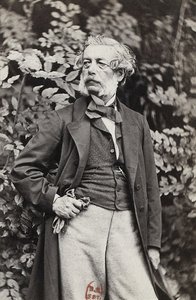
To stand before this portrait of Louis Philippe is to step directly into the gilded drawing rooms of mid-nineteenth-century European aristocracy. It is not merely a likeness; it is a carefully constructed monument to status, power, and refined masculine bearing. The subject commands attention through sheer presence, rendered with the meticulous polish characteristic of academic painting at its zenith. One senses the weight of history settling upon his distinguished posture. The setting itself—a grand interior suggested by imposing columns and rich drapery—serves as a magnificent stage, amplifying the sitter’s importance while simultaneously grounding him within a recognizable framework of wealth and established order.
Masterful Technique and Rich Textural Dialogue
The technical execution speaks volumes about the skill of its creator. The artist has employed oil paints on canvas with an almost breathtaking level of finish, achieving smooth brushwork that belies the complexity beneath. Observe how the light, dramatically sourced from the upper left, does more than illuminate; it sculpts. It carves definition into the folds of velvet drapery, catches the sheen on polished wood, and highlights the subtle texture of his formal attire. This interplay between deep shadows and brilliant highlights creates a profound sense of three-dimensionality and depth within the depicted space. The artist’s command over perspective allows the architecture to recede convincingly, drawing the viewer deeper into the scene while keeping the central figure as the undeniable focal point.
Symbolism Woven into Fabric and Form
Every element in this composition seems deliberately placed to communicate a narrative of elevated standing. The military decorations adorning his chest are not mere embellishments; they are tangible markers of service and achievement, symbols of loyalty and martial prowess. The royal sash adds a vertical sweep of color and authority across the torso. Even the geometric precision of the surrounding architecture—the straight lines of the columns contrasting with the soft curves of the furniture—reinforces a sense of controlled power. These symbolic signifiers work in concert with the sitter’s composed demeanor to project an image of unwavering dignity.
An Emotional Resonance of Formality and Pride
Emotionally, the portrait is a study in restrained grandeur. It evokes a feeling of profound formality—the kind of solemn pride associated with ruling houses and established elites. While the subject appears impassive, there is an undercurrent of undeniable authority that permeates the canvas. For the modern collector or designer, this piece offers more than just decoration; it offers an atmosphere. Reproducing this work allows one to infuse a space with the gravitas, the deep jewel tones of reds and golds, and the timeless elegance of 19th-century court life.
常见问题与解答
弗朗茨·克萨韦尔·温特哈尔特 的《Louis Philippe》 在艺术史上的地位如何?
弗朗茨·克萨韦尔·温特哈尔特 的《Louis Philippe》 在艺术史上的分类属于 Academic Painting 运动,创作于 19th Century 时期。
针对 弗朗茨·克萨韦尔·温特哈尔特 的《Louis Philippe》 的版画,推荐的尺寸和方向是什么?
对于“Louis Philippe”,建议的打印设置尺寸为 Large,方向为 Portrait。
“Louis Philippe”的浏览量是多少?
弗朗茨·克萨韦尔·温特哈尔特 的《Louis Philippe》 的 访问统计 页面展示了公开访问统计数据:包括该作品的每月访问量、与艺术家最受关注作品的对比,以及访客的来源地。
 实景预览
实景预览
 分享
分享 分享
分享
 详情
详情 指南
指南

 下载作品
下载作品
 相似作品
相似作品 X射线
X射线 幻灯片播放
幻灯片播放 Q&A
Q&A 统计数据
统计数据