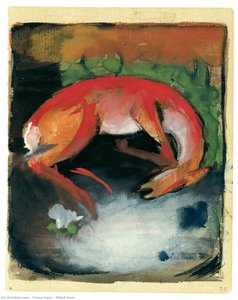
实景预览
实景预览
 分享
分享 分享
分享
 详情
详情 指南
指南

 下载作品
下载作品
 相似作品
相似作品 X射线
X射线 幻灯片播放
幻灯片播放 问答
问答 统计数据
统计数据Mountain Goats

- 74.0 x 59.0 cm


 展开全文
展开全文
艺术微喷/版画
博物馆级艺术微喷或帆布版画,制作高效,并提供多种饰面选择。 ( 订购纯手工绘制画作 切换至数字图像销售渠道)




P118B ¥10

P118H ¥10

P118W ¥10

P438Z ¥10

P508JH ¥12

P508YH ¥12

P805H ¥10

P805Z ¥10

P919BZ ¥10

P919G ¥10

P919XJ ¥10

P959ZH ¥10

P968JZ ¥12

W106C ¥8

W218G ¥10

W218JH ¥8

W218Y ¥10

W307PJ ¥10

W316G ¥10

W316PJ ¥8

W316Y ¥10

W398PJ ¥8

W4111J ¥10

W500HY ¥15

W500JH ¥15

W692G ¥12

W849H ¥8

W940BG ¥15

W953PJ ¥8




您可以从与原作比例一致的预设尺寸中进行选择。

请输入您所需的宽度和高度,以适配您的画框或墙面。由于印刷品只能进行裁剪,无法超出原图尺寸,因此若比例不一致,画面的一部分将会被裁切。在正式印刷之前,我们会为您发送一份数字效果图供您确认。本页面显示的图片并非最终裁剪后的效果——只有效果图才能展示真实的裁剪情况。


 玻璃选项仅适用于110厘米以下的尺寸。

Mountain Goats
艺术微喷/版画
复刻品尺寸
-


最终结算价
¥ 543
A Symphony of Color and Spirit: The Essence of Franz Marc’s Mountain Goats
In the pantheon of German Expressionism, few works capture the raw, spiritual pulse of nature as intimately as Franz Marc’s "Mountain Goats." Painted in 1913, this masterpiece serves as a profound window into the artist's soul, moving far beyond a mere depiction of alpine life to offer a visionary experience. At its heart, the painting is an exploration of the primal forces that govern our world. Marc, a pioneer of the Der Blaue Reiter movement, sought to strip away the superficial layers of reality to reveal the vibrant, energetic essence beneath. Through a deliberate and bold palette dominated by earthy reds, luminous yellows, and deep, soulful blues, he creates a landscape that feels less like a physical place and more like a spiritual manifestation.
The technique employed in this work is nothing short of visceral. Marc utilizes a thick impasto, applying oil paint with such density that the canvas itself begins to pulsate with life. This tactile approach creates a textured surface where light and shadow dance across the ridges of the brushstrokes, lending an incredible sense of movement to the scene. His style aligns beautifully with Synaesthetic Expressionism, where color is not merely decorative but functions as a primary language of emotion. To witness this painting is to feel the weight and warmth of the pigment, making it an extraordinary centerpiece for any collection that values the physical presence of art.
Symbolism and the Mythic Landscape
Beyond its striking colors, "Mountain Goats" is steeped in a complex layer of mythological and symbolic meaning. The central figures—often interpreted through the lens of Marc’s fascination with the duality of existence—evoke a sense of the archetypal. The presence of figures that hint at winged or horned beings suggests a struggle between the earthly and the divine, or perhaps the tension between instinct and consciousness. This reflects the broader Expressionist preoccupation with confronting existential questions during the turbulent years leading up to World War I. Marc famously believed that animals possessed a purity and spiritual clarity that humanity had lost; thus, his depiction of these creatures is an act of reverence for a more innocent, uncorrupted state of being.
Every element within the composition, from the sharp, spiky mountain peaks to the subtle inclusion of symbolic objects like clocks or vessels, contributes to a narrative of cosmic interconnectedness. The painting invites the viewer to look past the literal and engage with the metaphorical. For the discerning collector or interior designer, this depth of meaning provides a continuous source of contemplation. It is a work that does not merely sit upon a wall but actively engages the room, offering a sense of profound mystery and intellectual stimulation.
An Invitation to Transform Your Space
For those looking to infuse their living or professional environments with inspiration, a high-quality reproduction of "Mountain Goats" offers an unparalleled opportunity. The painting’s dynamic energy and rich, saturated tones make it a versatile choice for sophisticated interiors, ranging from modern minimalist galleries to classic, richly textured studies. It serves as a focal point that commands attention while simultaneously providing a sense of grounded, natural beauty.
Owning a piece that captures the spirit of Franz Marc is an investment in emotional resonance. Whether you are drawn to its historical significance within the German Expressionist movement or simply captivated by its rhythmic use of color, this artwork promises to transform any space into a sanctuary of thought and feeling. It is more than a decoration; it is a window into a world where color and spirit are one.
常见问题与解答
"Mountain Goats" 描绘了怎样的内容,又营造了怎样的氛围?
弗朗茨·马克 的《Mountain Goats》 将 mythology, animal symbolism, religious imagery, color palette, horned figure, trumpet motif, symbolic composition 与 Mystical 的氛围完美融合。
"Mountain Goats"创作于哪一年,属于哪种艺术流派?
弗朗茨·马克 的《Mountain Goats》创作于1913年,属于German Expressionism流派。
弗朗茨·马克 的《Mountain Goats》 创作于哪一年?
弗朗茨·马克 的《Mountain Goats》创作于1913年。
艺术家简介
早年生活、家庭与艺术训练
弗朗茨·马克出生于德国慕尼黑,他成长于一个风景画视觉语言已然根深蒂固的家庭。他的父亲威廉·马克是一位职业风景画家,这为他提供了一个直接——尽管并非完全确定——接触艺术运作机制的机会。这种家族纽带意味着艺术创作的工具从一开始就伴随着他的成长,然而,马克的艺术之路并非一条从继承到画布的直线。在投身绘画事业之前,他曾花时间钻研神学,这段精神探索的时期,最终决定了他视觉创作中那种喷薄而出的强度。正是这种神圣性与物质性之间的张力,赋予了他后期作品一种独特的、沉重的生命质感。
他的正式艺术训练始于1900年,当时他考入了慕尼黑大学(Ludwig-Maximilians-Universität München)的艺术课程。这种学术基础并非仅仅是形式上的点缀,它提供了必要的技巧严谨性,使他最终能够解构传统的表现手法。在慕尼黑大学的学习之后,他进入了慕尼黑美术学院深造。这一系列的学习历程,引导他从通用的学术原则转向更加专业且专注的探索,而这种专注正是他后来引领艺术激进变革所必需的。他并非偶然才华的产物,而是通过在慕尼黑正式艺术传统中进行深思熟虑且有条理的沉浸,才最终成就了自己。
艺术发展与影响
弗朗茨·马克早期的创作体现了学院派绘画与印象主义的深重影响。这些传统的根基为他日后试图打破的艺术结构提供了必要的技法支撑。他在法国的经历,特别是1903年和1907年对巴黎的访问,成为了他艺术转型的重要催化剂。正是在巴黎,他邂逅了 文森特·梵高 的作品。这次邂逅为他提供了不同于严谨学院训练的另一种可能,赋予了他一种全新的视角:将色彩视为情感表达的直接工具,而非仅仅是用于描绘物象的手段。
向抽象主义的转变并非一次突如其来的飞跃,而是对20世纪初期不断演变的视觉语言所做出的深思熟虑的回应。罗伯特·德劳内 对抽象形式与强烈色调的探索,为马克走向简约化的艺术路径提供了蓝图。他开始背离对风景的写实描绘,转而寻求剥离物象表象,直抵其本质形态。这一过程使他能够超越自然世界的表层,进而触及一种更具主观性、更具情感张力的表达风格。
蓝骑士与表现主义
从单纯的写实描绘转向对精神真理的追寻,这标志着弗朗茨·马克对现代主义最重大的贡献。在建立自己的艺术运动之前,他曾在“慕尼黑新艺术家协会”进行过探索。这段充满尝试与错误的时期,是打破当时学院派束缚所必经的磨炼。到了1911年,马克与 瓦西里·康定斯基 共同创立了《蓝骑士》(Der Blaue Reiter)。这绝非一个简单的社交俱乐部,而是一场对现状的激进背离。该团体通过《蓝骑士》期刊传递着一个明确的艺术主张:利用抽象形式与象征色彩来表达内在的精神现实。他们渴望超越物质世界的表象,去触及生命中更为本质的真谛。
这场运动是对20世纪初那片工业化、灰暗现实的直接挑战。马克和他的同仁们试图寻找一种能够沟通灵魂而非仅仅取悦视觉的视觉语言。他们转向了一种让色彩如同“精神频率”般运作的风格。艺术创作不再是为了描绘所见之物,而是为了捕捉主体的内在本质。创作重心从外部景观转向了对生命节奏感与象征意义的诠释。这一时期,德国表现主义找到了它最强有力、最超越写实主义的表达之声。
技法与象征风格
弗朗茨·马克的视觉语言建立在一种严谨且深思熟虑的色彩象征体系之上,这种体系彻底摒弃了对写实准确性的追求。在他眼中,色彩并非用来模仿自然世界的表象,而是用来勾勒出一套精神层面的等级秩序。在他的调色盘中,蓝色象征着阳刚与神性;黄色代表着女性特质与喜悦;而红色则体现了物质性与暴力。这并非一种随性的美学选择,而是一种试图通过外部颜料来传达内在真理的结构化尝试。通过剥离具象的表象,他迫使观者去直面色彩本身所承载的情感重量。
在技法上,他的创作趋向于一种激进的形态简化。他将复杂的生物结构还原为本质的、具有韵律感的形状。这种还原主义与大胆的、非自然主义的色彩相结合,在主体与其环境之间营造出一种张力。他运用短促而果敢的笔触与厚涂技法来构建肌理,赋予了画面构图一种实体感,这种质感与他作品中主体的抽象性形成了奇妙的对比。最终,他创造出一种全新的风格:动物不再仅仅是血肉之躯,而是承载某种特定且具有编码意义的能量的容器。
核心作品与创作主题
弗朗茨·马克成熟期的艺术创作核心聚焦于动物王国。他逐渐背离了静止的风景画,转而将目光投向马、鹿和狐狸等生灵。在这些作品中,动物不再仅仅是生物学意义上的研究对象,而是承载精神能量的灵性载体。1911年,他创作了著名的《蓝色大马》,这部作品确立了他对非自然主义色彩的偏爱。到了1912年,他的构图变得更加具有侵略性和结构感,这在《老虎》和《红鹿》中得到了充分体现。这些绘画展现了一种深刻的转变,即通过简化且富有节奏感的形态,去捕捉主体内在的本质属性。
他艺术风格的演变呈现出一条清晰的通往抽象化的轨迹。他在1913年创作的《狐狸》反映了法国立体主义的影响,利用晶体般的构图来解构形式。这种探索在1913年的《世界之牛》中达到了巅峰,此时的主体已升华为宇宙存在的象征。他的作品建立在一种独特的色彩逻辑之上:蓝色代表阳刚与精神,黄色象征女性与喜悦,而红色则体现了物质性与暴力。正是这套严密的色彩体系,将每一幅动物肖像都从写实的描绘升华为一种哲学宣言。
- 《蓝色大马》 (1911)
- 《老虎》 (1912)
- 《红鹿》 (1912)
- 《狐狸》 (1913)
- 《世界之牛》 (1913)
晚年与逝世
1914年,第一次世界大战的爆发猝然切断了马克艺术生涯的轨迹。尽管他已是一位享誉盛名的艺术家,却仍被征召入伍,在德军中担任骑兵。这场冲突迫使他不得不从对精神抽象的深邃追求,转向残酷而冰冷的军事现实。即便身处战争的混沌之中,他依然坚持绘画,试图在周围世界分崩离析之际,通过画笔去寻觅生命的意义。
1916年3月4日,他在凡尔登战役中走向了生命的终点。这场死亡发生在战争爆发两年之后。一枚炮弹碎片夺走了他的生命,这种暴力的终结,让那段以追求纯粹为核心的艺术征程戛然而止。他在凡尔登的英年早逝,在德国表现主义的发展进程中留下了一片空白,在他尚未抵达艺术逻辑的终极抽象境界之前,便生生中断了他向更激进抽象主义迈进的步伐。
传承与影响
弗朗茨·马克在德国表现主义的历史长河中,始终占据着核心地位。他的影响力在于,他通过对色彩与形式的独特处理,将现代艺术的焦点从对外部世界的观察,转向了对内在精神真理的探寻。尽管他的艺术生涯因战火而戛然而止,但他的精神通过其作品在世界各大博物馆的持续展出,得以永存。他拥有一种非凡的能力,能够将动物的本质萃取为具有象征意义、超越自然主义的形态,这一成就彻底改变了20世纪初绘画艺术的发展轨迹。
在20世纪30年代动荡的政治气候下,人们曾试图抹去这份艺术贡献。纳粹政权将马克贴上“堕落艺术家”的标签,将其作为压制现代主义运动的一部分。然而,尽管面临这种系统性的毁灭企图,他创作的大部分作品还是在第二次世界大战的浩劫中幸存了下来。这些作品的留存,确保了他的视觉语言能够跨越时空,与当代观众产生共鸣。他的作品之所以能持续震撼人心,是因为他提供了一种对自然世界直接且充满情感的回应,这种回应彻底摆脱了写实主义的束缚。
狐狸 (1913)
世界之牛 (1913)
红鹿 (1912)
今日何处寻觅其艺术踪迹
若想亲身感受弗朗茨·马克那充满灵性的视觉现实,我们必须走进那些在20世纪动荡岁月中悉心守护其艺术遗产的专业机构。位于德国科赫尔湖畔的弗朗茨·马克博物馆是承载其艺术生命的灵魂之地,馆内珍藏着150多件作品,让人们得以直观地观察这位艺术家在巴伐利亚自然景观影响下的成长轨迹。而在慕尼黑,伦巴赫美术馆(Lenbachhaus)也保存着规模宏大的收藏,集中展现了他对德国表现主义运动的卓越贡献。慕尼黑现代艺术州立美术馆同样收藏有许多重要杰作,确保了他在这座城市艺术史中核心地位的永恒存在。
马克的艺术影响力早已跨越了德国国界,世界各地的顶级博物馆都珍藏着他的画布。在美国,芝加哥艺术学院收藏有《被施了魔法的磨坊》。这些散布于全球的艺术珍品,共同构成了人们对他在现代抽象艺术领域深远影响的全球化认知。只有当你站在这些原作面前,才能真正领略他笔触间细腻的肌理,以及色彩选择中那份震撼人心的张力——这些生命力在数字化的复制品中往往会随之消逝。
- 《被施了魔法的磨坊》 (1913)
- 《蓝色骏马之塔》 (1913)
- 《红鹿 II》 (1912)
- 《老虎》 (1912)

弗朗茨·马克
1880 - 1916 , 德国
艺术家简介
- Artistic Movement Or Style: 德国表现主义
- Artists Or Movements Influenced By This Artist: ['德国表现主义']
- Artists Who Influenced This Artist:
- 文森特·梵高
- 罗伯特·德劳内
- Date Of Birth: 1880
- Date Of Death: 1916
- Full Name: 弗朗茨·莫里茨·威廉·马克
- Nationality: 德国
- Notable Artworks:
- 蓝色的大马
- 老虎
- 红鹿 II
- 世界之牛
- Place Of Birth: 德国慕尼黑
相关文章

Franz Marc: Expressionism, Spirituality & the Animal Symbolism of a Modern Master
Explore the profound world of Franz Marc's Expressionist paintings. Discover his spiritual connection to animals, innovative use of color, and lasting impact on modern art history. Learn more at OriginalUniqueArt.
德国表现主义:民族呐喊中的情感与扭曲——一场现代艺术的深刻变革
深入了解德国表现主义:从蒙克的呐喊到桥社的革命,探索这场现代艺术运动背后的情感、社会批判与深刻影响。OriginalUniqueArt.com提供精美复制品和专业艺术咨询。

German Expressionism's 10 Defining Masterpieces | Art for Your Home
Explore 10 defining German Expressionism masterpieces – from Munch's 'The Scream' to Kandinsky’s abstracts. Discover the artists, stories & bold colors behind this powerful art movement. Find museum-quality reproductions at OriginalUniqueArt.com.

Unmasking Emotion: A Journey Through the Raw Power and Visceral Beauty of German Expressionism
Explore the raw emotional power of German Expressionism. From Kirchner to Die Brücke, discover how artists used distortion and vibrant color to unmask the human psyche. A deep dive into art history for the discerning collector and enthusiast.
生机勃勃:动物意象在艺术与室内设计中的永恒呈现
探索动物意象在艺术史上的永恒魅力!OriginalUniqueArt.com提供高品质油画复制、定制肖像及室内设计咨询。大师作品还原,个性化创作,点亮您的家居生活。专业团队,值得信赖!