- 首页

- 帆布打印
- franz bernhard schuller
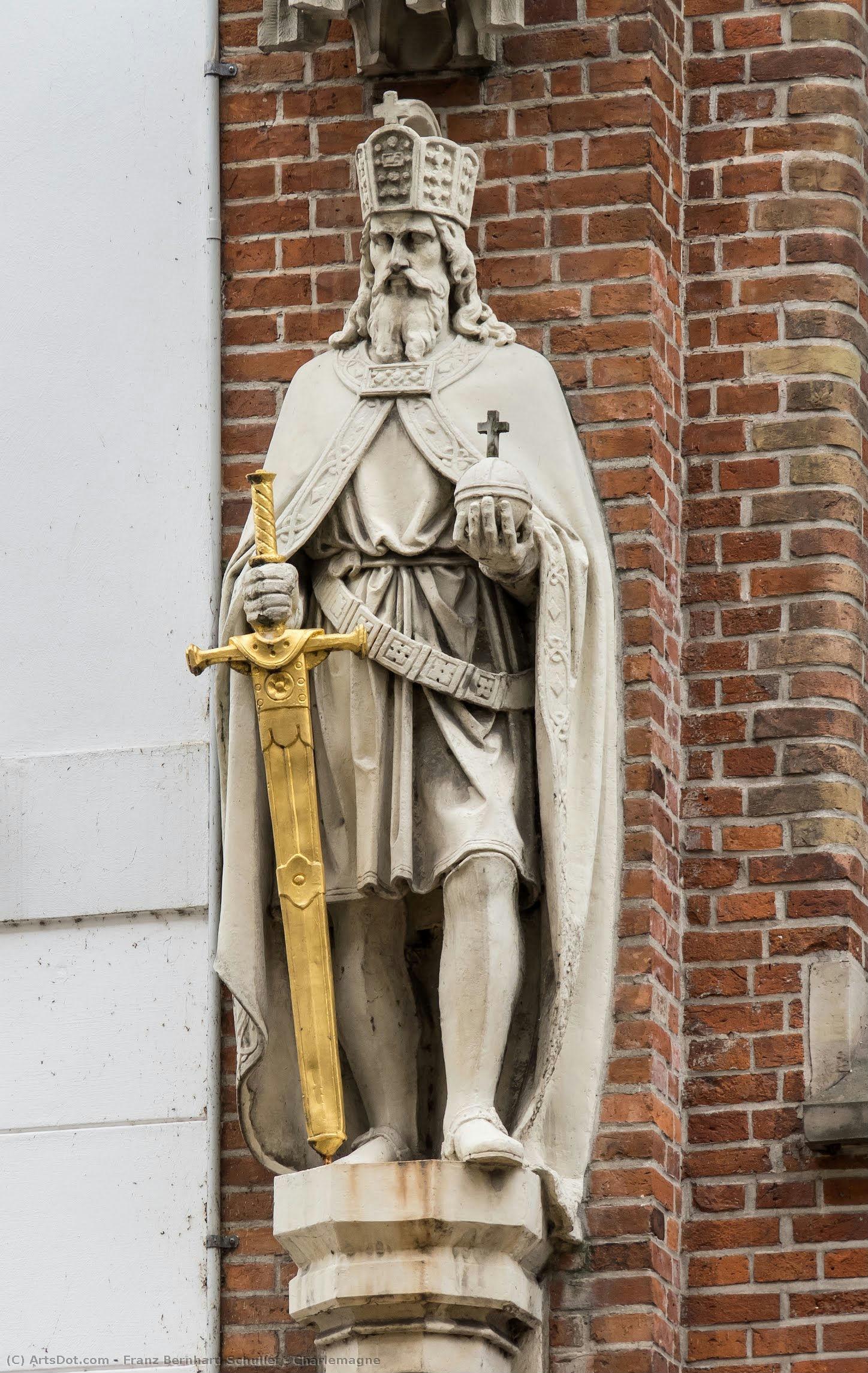
- Charlemagne
 Preview
 定制手绘复刻品
 分享
分享 分享
分享
 详情
详情

 下载
下载
 相似作品
相似作品 X射线
X射线 幻灯片播放
幻灯片播放Charlemagne

 展开详情
展开详情




































从与原作比例一致的预设尺寸中进行选择。

您可以输入自定义尺寸,以适配特定的画框或空间。如果您选择的尺寸与原图比例不符,我们将对作品进行裁剪,或通过镜像填充/纯色填充边缘的方式来扩展图像。在开始制作之前,我们会向您发送一份数字效果图供您确认。
请注意,屏幕上的预览并不能反映实际的裁剪或扩展效果。只有效果图才能准确展示最终的构图。
虽然我们提供定制尺寸,但为了保持原图比例,我们建议您从预设列表中选择尺寸。


 玻璃选项仅适用于110厘米以下的尺寸。

Charlemagne
艺术微喷/版画
复制品尺寸
-


最终总价
-
艺术家简介
Early Life and Training in the German Tradition
Franz Bernhard Schuller, a name perhaps less familiar than some of his contemporaries, nevertheless occupies an intriguing space within the landscape of 19th-century German sculpture. Born in Ostritz, Germany, in 1815, Schuller’s artistic journey began under the tutelage of Gareis, a sculptor whose influence would lay the foundation for Schuller's classical approach. This initial training was further refined through studies with Schwanthaler, another prominent figure in German sculpture, solidifying his commitment to academic principles and detailed craftsmanship. The Germany of Schuller’s youth was undergoing significant cultural shifts, yet he remained deeply rooted in the traditions of idealized form and narrative storytelling that characterized much of European art at the time. This early immersion in classical ideals would become a defining feature of his work, shaping both his subject matter and technical execution.A Sculptor of Narrative and Historical Grandeur
Schuller’s oeuvre is marked by a preference for monumental sculpture, often depicting scenes steeped in history and mythology. He wasn't merely replicating forms; he was striving to embody the spirit of an era or the weight of a legend. His most celebrated work, Charlemagne, exemplifies this ambition. The statue isn’t simply a representation of the Frankish king but an attempt to capture his power, authority, and the very essence of his reign. This dedication to narrative is evident in the meticulous detail he lavished upon each sculpture, from the folds of drapery to the expressive features of his figures. While documentation on the full scope of his work remains limited, the presence of pieces like Charlemagne within prestigious collections such as the Musée d'Orsay and the Louvre speaks volumes about the quality and artistic merit recognized by his peers and subsequent generations.Influences and Artistic Development
The influence of Classical sculpture is pervasive throughout Schuller’s work, a testament to his rigorous training and dedication to academic principles. However, he wasn't simply copying ancient models. He absorbed the lessons of antiquity—the emphasis on anatomical accuracy, balanced composition, and idealized beauty—and adapted them to suit contemporary tastes and narratives. The Baroque tradition also appears to have played a role in his development, particularly in its dramatic use of movement and emotional intensity. This blend of Classical restraint and Baroque dynamism created a unique style that distinguished Schuller from other sculptors of his time. He skillfully balanced the grandeur of historical subjects with a refined sense of detail and expressive power.Recognition and Legacy
Despite not achieving widespread fame during his lifetime, Franz Bernhard Schuller’s work has garnered increasing attention in recent years. His inclusion in the sculpture sections of renowned institutions like the Musée d'Orsay and the Louvre is a clear indication of his artistic significance. The fact that his sculptures continue to be studied and admired today demonstrates their enduring appeal and historical importance.- His work provides valuable insight into the development of German sculpture in the 19th century.
- He represents a continuation of the Classical tradition, adapted for a new era.
- The meticulous craftsmanship and narrative power of his sculptures continue to captivate audiences.

franz bernhard schuller
1815 - 1857 , Germany
艺术家简介
- Artistic Movement Or Style: Classical Sculpture
- Artists Who Influenced This Artist:
- Gareis
- Schwanthaler
- Date Of Birth: 1815
- Date Of Death: 1857
- Full Name: Franz Bernhard Schuller
- Nationality: German
- Notable Artworks: ['Charlemagne']
- Place Of Birth: Ostritz, Germany

