
 实景预览
实景预览
 发送
发送 分享
分享
 详情
详情 指南
指南

 下载图片
下载图片
 相似作品
相似作品 X射线
X射线 幻灯片播放
幻灯片播放 统计数据
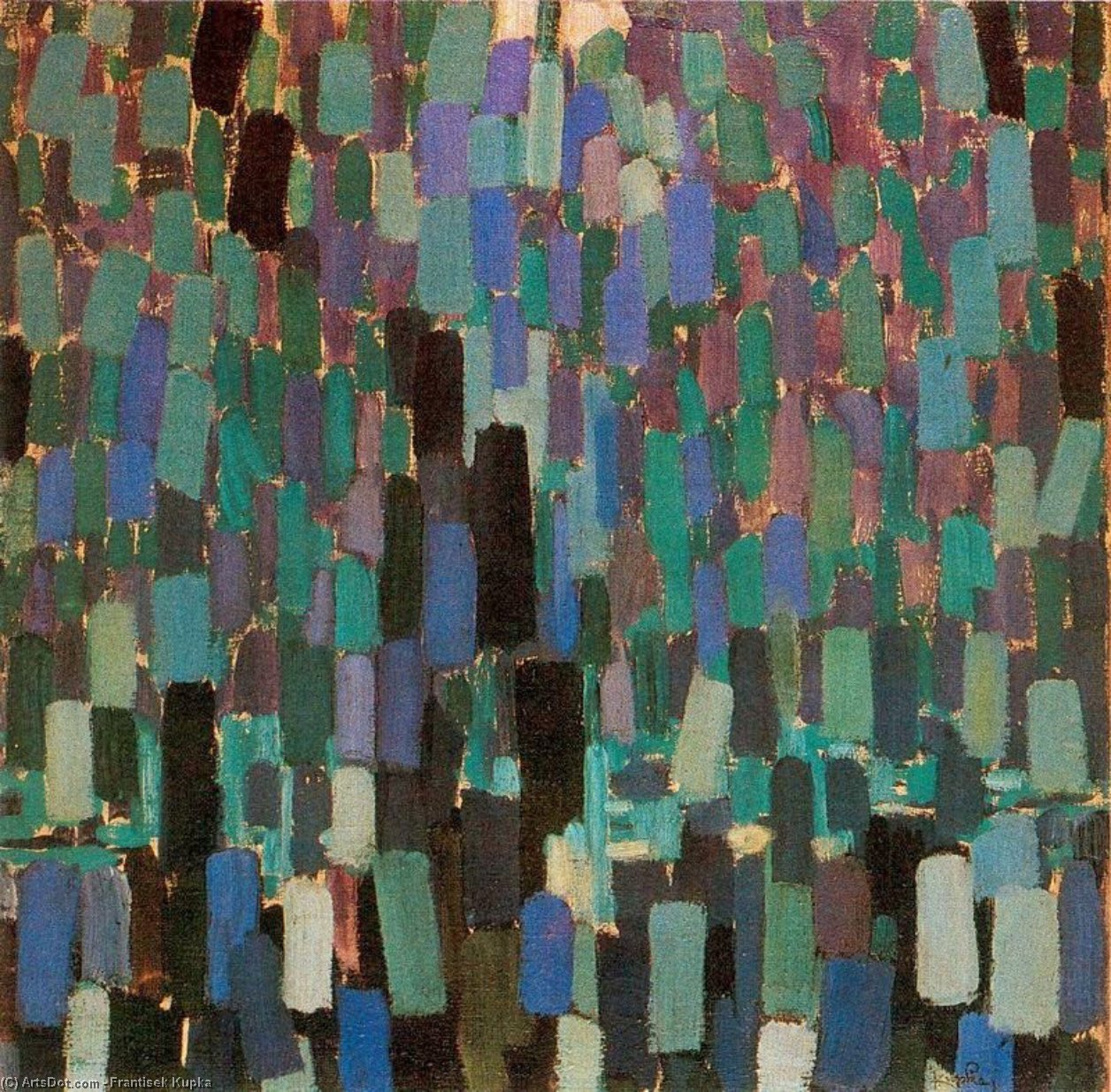
统计数据Nocturne
 Oil On Canvas
- WallArt
- Orphism
 1910
1910 66.0 x 66.0 cm
 阅读全文
阅读全文
手工油画复制品
由我们的艺术家按需定制,为您提供您所选尺寸及画框的布面手工油画。 ( 切换至版画销售渠道 切换至数字图像销售渠道)




P118B ¥10

P118H ¥10

P118W ¥10

P438Z ¥10

P508JH ¥12

P508YH ¥12

P805H ¥10

P805Z ¥10

P919BZ ¥10

P919G ¥10

P919XJ ¥10

P959ZH ¥10

P968JZ ¥12

W106C ¥8

W218G ¥10

W218JH ¥8

W218Y ¥10

W307PJ ¥10

W316G ¥10

W316PJ ¥8

W316Y ¥10

W398PJ ¥8

W4111J ¥10

W500HY ¥15

W500JH ¥15

W692G ¥12

W849H ¥8

W940BG ¥15

W953PJ ¥8




您可以从与原作比例一致的预设尺寸中进行选择。

请输入您需要的宽度和高度,以适配您的画框或墙面。由于作品为手工绘制,若您选择不同的尺寸比例,艺术家可能会在画面边缘多画一些或稍作裁剪 —— 由您决定。在开始绘画之前,我们会为您发送一份数字效果图供您确认。本页面上展示的图片并非最终实物 —— 只有效果图才能反映真实结果。
下单后,OriginalUniqueArt.com 团队将通过电子邮件联系客户获取具体要求,并提供效果预览图


 玻璃选项仅适用于110厘米以下的尺寸。

Nocturne
复制品材质
复刻品尺寸说明
-


总计金额
¥ 2015
A Symphony of Color and Form: Exploring Frantisek Kupka’s Nocturne
Frantisek Kupka's Nocturne stands as a cornerstone of Orphism, an artistic movement that irrevocably altered the landscape of early 20th-century painting. Born in Opočno, Bohemia, in 1871, Kupka embarked on a transformative journey from traditional academic pursuits to embrace the radical freedom of pure abstraction—a path marked by profound spiritual contemplation and unwavering dedication to visual truth. Initially trained in Prague and Vienna, his early canvases showcased technical prowess but lacked the distinctive artistic voice that would soon characterize his groundbreaking work. The pivotal moment arrived with his relocation to Paris in 1894, where he immersed himself within a dynamic artistic environment—a crucible of intellectual fervor mirroring the broader cultural shifts of fin-de-siècle Europe.The Genesis of Orphism: Breaking Free from Representation
Guillaume Apollinaire’s coinage of “Orphism” – derived from Greek mythology and symbolizing rebirth – perfectly encapsulates the movement's ambition to transcend representational illusion. Rejecting the conventions of realism, Orphists sought to distill painting down to its elemental essence: color and form alone. Kupka, alongside artists like Kandinsky and Marc Chagall, spearheaded this revolution, dismantling established artistic hierarchies and prioritizing subjective experience over objective observation. The influence of Eastern mysticism—particularly Hindu symbolism—became palpable in Kupka’s oeuvre, informing his exploration of geometric abstraction as a means of conveying spiritual concepts.Technical Innovation: A Canvas Ablaze with Color
Nocturne exemplifies Kupka's masterful technique. Executed on canvas in 1910, the painting utilizes oil paints applied in layers to achieve remarkable luminosity and textural depth. The artist’s meticulous attention to detail is evident in the precise arrangement of small squares—a deliberate stylistic choice that underscores Orphism’s core principles. Each square is filled with shades of blue, green, purple, red, yellow, and black – a carefully calibrated palette designed not merely to depict color but to evoke emotion and convey an intangible sense of atmosphere. The resulting pattern covers the entire surface, creating a mesmerizing visual tapestry that draws the viewer into its contemplative realm.Historical Context: Embracing Modernity’s Psyche
The painting emerged during a period of intense intellectual upheaval—the dawn of modernity grappling with anxieties surrounding industrialization and societal transformation. Orphism responded to these concerns by rejecting bourgeois values and embracing an aesthetic rooted in intuition and subconsciousness. Kupka's Nocturne reflects the broader artistic preoccupation with exploring inner landscapes and communicating spiritual truths – themes that resonated deeply within the avant-garde circles of Paris at the time.Emotional Resonance: A Journey Into Inner Space
Ultimately, Nocturne transcends mere visual representation; it invites contemplation and introspection. The artist’s masterful manipulation of color and form generates a palpable sense of serenity—a deliberate attempt to capture the elusive beauty of twilight and convey an experience beyond rational comprehension. It stands as a testament to Kupka's unwavering belief in art’s capacity to illuminate the human spirit and transport us into realms of profound emotional resonance.问答详情
"Nocturne" 属于哪种艺术风格?
弗朗西斯·库普卡 (Fú Lǎng Xī Sī · Kù Pǔ Kǎ) 的《Nocturne》 属于 Orphism 流派。该流派为这件作品提供了风格背景。
弗朗西斯·库普卡 (Fú Lǎng Xī Sī · Kù Pǔ Kǎ) 的《Nocturne》 是否属于公有领域?
弗朗西斯·库普卡 (Fú Lǎng Xī Sī · Kù Pǔ Kǎ) 的《Nocturne》 属于 仍受版权保护。此版权状态决定了该作品图像的复制方式。
"Nocturne" 的艺术家是谁?
艺术家简介
弗朗西斯·库普卡的先锋抽象艺术之路
弗朗西斯·库普卡,一个与抽象艺术黎明相关的名字,1871年出生于波希米亚的奥帕瓦——这片风景微妙地影响了他后来的形式和色彩探索。他从学院派训练到激进抽象的旅程并非一蹴而就,而是一个逐渐展开的过程,深受精神潮流和对视觉真理的不懈追求的影响。最初,他在布拉格美术学院和维也纳学习期间沉浸在历史和爱国主题中,早期的作品展现了扎实的技术功底,但缺乏后来定义他的独特声音。1894年移居巴黎对他来说是一个关键转折点,让他置身于充满活力的艺术氛围之中,他曾在朱利安学院短暂学习,后来还在让-皮埃尔·洛朗的École des Beaux-Arts学习。然而,真正激发他艺术演变的并非仅仅是正规训练,而是世纪末巴黎的知识激荡——新兴的象征主义、新印象派和野兽派的蓬勃发展。通往纯粹抽象之路:影响与创新
库普卡的艺术轨迹并非完全由美学考虑驱动;它深受哲学和精神探究的影响。他对神智学的参与,一种融合了东方宗教和西方秘传主义的神秘体系,证明了其特别有影响力。这种信仰体系假定万物之间存在潜在的统一性,并试图通过操纵色彩、形式和线条来揭示可见世界之外的隐藏现实——这一概念与库普卡的艺术抱负产生了深刻共鸣。他开始相信艺术可以超越单纯的再现,并通过对色彩、形式和线条的运用来达到这些更深层次的真理。这种信念引导他远离描绘可识别的对象,转向对视觉体验更为主观、内在的探索。他早期的实验涉及模糊具象与抽象之间的界限,如《生命的开始》等作品中,象征性意象与新兴的抽象元素交织在一起。他并非孤军奋战;库普卡参与了当代关于色彩和光的科学理论,试图理解它们对观众的心理影响。这种精神探究与科学观察的融合成为他方法的一个标志。他开始将颜色视为一种独立的力,能够唤起情感并直接传达意义,而不仅仅是一种描述性元素。奥菲克立体主义及超越:独特的视觉语言
到1910年代初,库普卡已经走上了一条通往抽象艺术先锋之路。这一时期的绘画作品,如《双色赋格曲》(1912年),是第一批在公共场合展出的真正非代表性作品之一,挑战了传统的艺术表现观念。他对创造一种基于纯粹抽象的新视觉语言感兴趣,而不是简单地解构形式——正如一些立体主义者所做的那样。这促使他与奥菲克立体主义(也称为有形主义)建立联系,该运动由罗伯特·德劳内领导,强调色彩和光的动态互动。然而,库普卡的做法与德劳内的不同;虽然两者都探索抽象形式,但库普卡经常保留一种潜在的结构感和节奏感,在他的绘画中唤起音乐作品——因此频繁使用“赋格曲”和“圆盘”等术语。他的《牛顿圆盘》系列是这种探索的典范,描绘出似乎充满活力并暗示宇宙支配力量的圆形形式。他并非仅仅创造美观的排列;他试图可视化潜在的宇宙原理。遗产与持久影响
弗朗西斯·库普卡的贡献超越了他个人的绘画作品。作为1931年Abstraction-Création组织的创始成员,该组织致力于推广抽象艺术,他在塑造现代主义进程中发挥了至关重要的作用。他的作品获得了国际认可,并被列入纽约现代艺术博物馆1936年的“立体主义与抽象艺术”等具有里程碑意义的展览中。尽管经常被康定斯基或蒙德里安等更著名的艺术家所掩盖,但库普卡的先锋精神和独特的视觉语言已确保他在抽象艺术史上占据重要地位。他的遗产继续激励着当今的艺术家,提醒我们抽象不仅仅是消除表现,而是关于解锁新的表达可能性并揭示隐藏的现实维度。他寻求描绘的不是他所见,而是他的感受——通过这种方式,他开启了一个视觉体验的宇宙。他对探索艺术的基本要素——色彩、形式和线条——的奉献精神仍然具有深远意义,证明了真正的创新在于质疑既定规范并拥抱纯粹抽象的力量。收藏库普卡作品的博物馆
- 所罗门·R·古根海姆博物馆(美国纽约)
- 巴黎现代艺术博物馆(法国巴黎)
- 马内斯画廊(捷克布拉格)

弗朗西斯·库普卡 (Fú Lǎng Xī Sī · Kù Pǔ Kǎ)
1871 - 1957 , 捷克共和国
快速概览
- Artistic Movement Or Style: 抽象艺术, 奥尔菲斯主义
- Artists Or Movements Influenced By This Artist: ['奥尔菲斯主义']
- Date Of Birth: 1871年9月23日
- Date Of Death: 1957年
- Full Name: 弗朗西斯·库普卡
- Nationality: 捷克籍
- Notable Artworks (List Of Titles):
- 彩色的人
- 围绕一个点
- Place Of Birth (City And Country): 波希米亚奥帕瓦,捷克共和国
相关文章

The Enduring Legacy of Oil on Canvas: Technique, History & Aesthetic Impact
Explore the rich history & techniques of oil painting – from Renaissance masters to Impressionism. Discover pigments, layering methods, and why this timeless medium endures. Expert insights for artists & art enthusiasts.

Oil on Canvas: A Historical & Technical Exploration of a Timeless Artistic Medium
Explore the rich history & enduring techniques of oil painting on canvas. Discover the science behind its longevity, conservation practices, and contemporary relevance. Expert insights for art enthusiasts.

画布上的流光溢彩:油画技法、历史沿革与当代实践
深入探索油画技法的历史沿革,从文艺复兴到卡拉瓦乔的革命性创新。了解多层涂布技术如何塑造色彩与光影,并洞悉当代油画实践中的传统与突破。OriginalUniqueArt为您提供专业的艺术品咨询和定制服务。

Kandinsky's Masterpieces: 25 Paintings That Define Abstract Art | OriginalUniqueArt
Journey through Wassily Kandinsky's 25 most iconic abstract paintings. Explore his revolutionary use of color, form & spiritual expressionism. Find museum-quality Kandinsky reproductions and elevate your home decor with OriginalUniqueArt.com. Discover all masterpieces on OriginalUniqueArt.com!

抽象表现主义:十幅定义艺术史的杰作
探索抽象表现主义的十幅经典杰作!波洛克、罗斯科等大师作品,揭秘艺术史上的重要瞬间。OriginalUniqueArt.com为您呈现高品质艺术品复制和精选家居装饰方案,感受现代艺术的力量与魅力。立即浏览全系列!