
 效果预览
效果预览
 购买印刷品
购买印刷品 分享
分享 分享
分享
 详情
详情

 下载
下载
 相似作品
相似作品 X射线
X射线 幻灯片播放
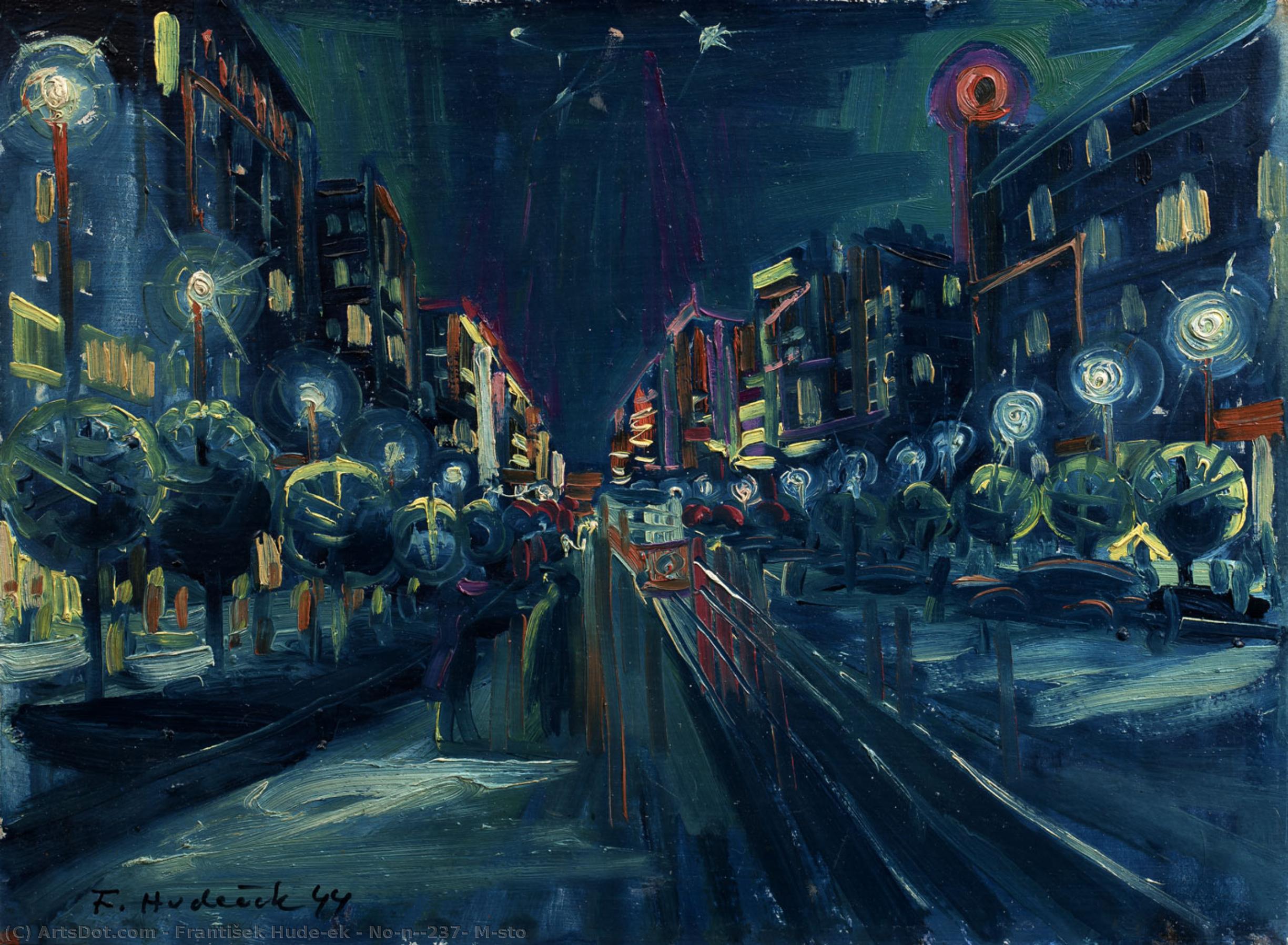
幻灯片播放Noční Město


 展开详情
展开详情




































从与原作比例一致的预设尺寸中进行选择。

您可以输入自定义尺寸,以适配特定的画框或空间。如果所选尺寸与原图比例不符,我们将通过裁剪作品或添加手绘元素来扩展画面。数字样稿将在制作开始前发送给您确认。
请注意,屏幕预览无法准确反映实际的裁剪或扩展效果,只有样稿才能真实呈现最终的构图。
虽然我们提供定制尺寸服务,但为了保留原作比例,建议您从预设列表中选择尺寸。
下单后,OriginalUniqueArt.com 团队将通过电子邮件联系客户获取具体要求,并提供效果预览图。


 玻璃选项仅适用于110厘米以下的尺寸。

Noční Město
复制材质
复制品尺寸
-


最终总价
$ 350
艺术家简介
A Life Etched in Industry: The World of František Hudeček
František Hudeček, born on April 7th, 1909, in the small Bohemian village of Nemečice u Hořejšova, wasn’t destined for a life steeped in grand artistic tradition. His early world was one of rural simplicity, but it quickly became interwoven with the burgeoning industrial landscape that would profoundly shape his vision. The Czech Republic at the turn of the 20th century was undergoing rapid transformation, and this dynamic shift – the collision of agrarian life with the relentless march of modernity – became a central theme in Hudeček’s oeuvre. He wasn't merely *documenting* change; he was interpreting its emotional weight, the human cost and quiet dignity found within it. His formal training began at the Uměleckoprůmyslové školy v Praze (School of Applied Arts in Prague), where he honed his skills in painting and graphic arts, but it was his immersion in the realities of everyday life that truly fueled his artistic development.The Spirit of ‘Skupina 42’
A pivotal moment in Hudeček's career came with his membership in *Skupina 42*, a collective of Czech artists formed in 1942 during the challenging years of the Nazi occupation. This wasn’t simply an aesthetic alliance; it was a statement of cultural resistance, a refusal to succumb to imposed ideologies. The group sought to portray authentic Czech experiences, focusing on the lives of ordinary people and the landscapes that defined their nation. Hudeček found kinship with artists who shared his commitment to social realism, though his style remained distinctly personal. While some members leaned towards more overtly political themes, Hudeček’s work often possessed a quiet introspection, a focus on the psychological impact of industrialization rather than direct condemnation or celebration. He wasn't creating propaganda; he was offering empathy and understanding. The group provided a vital platform for his early exhibitions and helped establish him as a significant voice within the Czech art scene.Themes of Labor and Landscape
Hudeček’s paintings are immediately recognizable for their subject matter: factories, mines, railway yards, and the workers who populated them. But to call them simply “industrial landscapes” would be a gross simplification. He wasn't interested in the cold mechanics of production; he was captivated by the *human element* within these environments. His figures aren’t heroicized or romanticized. They are often depicted with a sense of weariness, resilience, and quiet dignity. The color palettes he employed – muted grays, browns, and ochres – further reinforce this mood of solemnity. He masterfully captured the interplay of light and shadow within these industrial spaces, creating compositions that feel both monumental and intimate. His work is a testament to the power of observation, his ability to find beauty and meaning in the seemingly mundane aspects of working-class life. He often depicted scenes from around Prague and the surrounding regions, grounding his art in specific locales and experiences.A Lasting Legacy: Hudeček’s Place in Czech Art History
František Hudeček continued to paint and exhibit throughout the latter half of the 20th century, solidifying his reputation as a key figure in modern Czech art. His work reflects a unique blend of social realism, psychological insight, and technical skill. While he never achieved widespread international fame, his paintings remain deeply valued within the Czech Republic for their honest portrayal of a nation undergoing profound change. He offered a counter-narrative to more idealized depictions of industrial progress, reminding viewers of the human cost often obscured by grand narratives of economic development. His influence can be seen in subsequent generations of Czech artists who sought to explore themes of social justice and working-class life. He passed away on May 13th, 1990, leaving behind a body of work that continues to resonate with its quiet power and enduring empathy.
františek hudeček
1909 - 1990 , Czech Republic
艺术家简介
- Artistic Movement Or Style: Modern Czech Art
- Date Of Birth: April 7, 1909
- Date Of Death: May 13, 1990
- Full Name: František Hudeček
- Nationality: Czech
- Place Of Birth: Nemečice, Czech Republic

