

 实景预览
实景预览
 分享
分享 分享
分享
 详情
详情 指南
指南

 下载作品
下载作品
 相似作品
相似作品 X射线
X射线 幻灯片播放
幻灯片播放 Q&A
Q&A 统计数据
统计数据Duet
 Oil
Oil- WallArt
- Dutch Golden Age
 1658
1658- Early Modern
 31.0 x 24.0 cm
 Staatliches Museum
 展开全文
展开全文
艺术微喷/版画
博物馆级艺术微喷或帆布版画,制作高效,并提供多种饰面选择。 ( 订购纯手工绘制画作 切换至数字图像销售渠道)




P118B ¥10

P118H ¥10

P118W ¥10

P438Z ¥10

P508JH ¥12

P508YH ¥12

P805H ¥10

P805Z ¥10

P919BZ ¥10

P919G ¥10

P919XJ ¥10

P959ZH ¥10

P968JZ ¥12

W106C ¥8

W218G ¥10

W218JH ¥8

W218Y ¥10

W307PJ ¥10

W316G ¥10

W316PJ ¥8

W316Y ¥10

W398PJ ¥8

W4111J ¥10

W500HY ¥15

W500JH ¥15

W692G ¥12

W849H ¥8

W940BG ¥15

W953PJ ¥8




您可以从与原作比例一致的预设尺寸中进行选择。

请输入您所需的宽度和高度,以适配您的画框或墙面。由于印刷品只能进行裁剪,无法超出原图尺寸,因此若比例不一致,画面的一部分将会被裁切。在正式印刷之前,我们会为您发送一份数字效果图供您确认。本页面显示的图片并非最终裁剪后的效果——只有效果图才能展示真实的裁剪情况。


 玻璃选项仅适用于110厘米以下的尺寸。

Duet
艺术微喷/版画
复刻品尺寸
-


最终结算价
¥ 537
A Symphony of Light and Detail
In the quiet intimacy of a seventeenth-century Dutch interior, Frans van Mieris the Elder captures a moment of profound musical connection in his masterpiece, Duet. This exquisite work serves as a quintessential example of the fijnschilder style, a technique where the artist’s brushwork becomes nearly invisible, leaving behind only the breathtaking reality of texture and light. As we gaze upon the scene, we are transported to an era of refined elegance, where the soft glow of candlelight or filtered daylight dances across the polished wood of a harpsimchord and the rich, crimson folds of a lady's gown. The painting is not merely a depiction of a musical performance; it is a sensory experience that invites the viewer to hear the delicate pluck of strings and feel the hushed reverence of the room.
The composition centers on a woman lost in the rhythmic flow of her music, her posture poised and graceful. Beside her, a companion watches with an intensity that suggests a shared emotional resonance, creating a silent dialogue between the performers. The inclusion of a small dog, resting loyally at their feet, adds a layer of domestic warmth and symbolizes fidelity, grounding the sophisticated atmosphere in a sense of home and heart. Every element, from the delicate lace of a collar to the subtle sheen on the musical score, is rendered with a precision that speaks to Van Mieris’s mastery of the Leiden school, making this piece a jewel of the Dutch Golden Age.
Historical Elegance for the Modern Collector
To possess a reproduction of Duet is to bring a piece of history into the contemporary living space. Created in 1658, during the height of the Dutch Golden Age, this work reflects the prosperity and cultural sophistication of the Netherlands. During this period, artists like Van Mieris were celebrated for their ability to elevate genre scenes—everyday moments of life—into high art through unparalleled technical virtuosity. For the discerning interior designer, this painting offers a timeless focal point that complements both classical and modern decor. Its rich palette of deep reds, warm ambers, and soft shadows provides a sophisticated anchor for a room, evoking a sense of luxury and intellectual depth.
Beyond its aesthetic appeal, the painting serves as an emotional sanctuary. In an age of digital noise, the stillness captured in Duet offers a meditative quality that can transform the atmosphere of any gallery or private residence. It is a celebration of the fine arts, the beauty of domesticity, and the enduring power of human connection. Whether displayed in a sunlit study or a formal dining room, this work continues to inspire awe, reminding us of the meticulous beauty that can be found in life's most quiet, harmonious moments.
常见问题与解答
弗兰斯·范·米里斯 的《Duet》 在艺术史中处于怎样的地位?
弗兰斯·范·米里斯 的《Duet》 属于 Early Modern 时期的 Dutch Golden Age 流派。两者共同确立了该作品在艺术史上的地位。
弗兰斯·范·米里斯 的《Duet》 中哪些颜色占据主导地位?
"Duet" 的色彩基调由以 Phthalo Green (#301e1f) 为主的 Earthy 色系构成。
弗兰斯·范·米里斯 的《Duet》 描绘了怎样的场景,又传达了怎样的意境?
弗兰斯·范·米里斯 的《Duet》 将 portrait, harpsichord, music, dutch golden age, 17th century, elegant scene, fijnschilder 与 Elegant 的氛围完美融合。
艺术家简介
沉浸于细节的生命:弗兰斯·范·米里斯长子的艺术世界
弗兰斯·范·米里斯长子(Frans van Mieris the Elder),这个名字本身便是精细入微与高雅艺术的代名词,在荷兰黄金时代占据着举足轻重的地位。1635年出生于莱顿,他的人生轨迹并未延续家族的金匠传统——那是他的父亲扬·巴斯蒂恩斯·范·米里斯所从事的技艺——而是转向了那令人神往的绘画世界。早年对素描的痴迷,为他日后定义“精细画派”(fijnschilder)风格并为世人提供窥探17世纪荷兰社会生活的亲密视角奠定了基础。他在亚伯拉罕·图伦弗利特(Abraham Toorenvliet)门下的初步训练,以及随后从德高望重的格里特·杜(Gerrit Dou)那里获得的至关重要的指导,为他构建独特的艺术语言打下了坚实的基础。这些成长岁月不仅赋予了他精湛的技术,更培养了他对叙事细微差别的敏锐捕捉力以及对微妙观察力的深刻理解。“精细画派”大师的崛起
范·米里斯很快便作为fijnschilder——这个意为“精细绘画”的荷兰术语——的大师而闻名遐迩。这种技法以近乎执着的细节追求、平滑且富有光泽的笔触以及对小幅画布的偏爱为特征。这不仅仅是对现实的复制,更是通过极尽严谨的精准度来升华现实。他画作中的表面仿佛闪烁着生命的光辉——缎面的流光溢彩、天鹅绒的细腻质感、金属的微弱闪光——这一切都以令人惊叹的准确度呈现出来。他不仅仅是在描绘一个房间,更是在重塑其中的氛围,邀请观众步入那些充满生活气息与富足感的场景之中。他的题材经常围绕着富裕阶层的生活展开:优雅的聚会、华丽的室内装饰,以及那些不仅捕捉了容貌、更捕捉了神韵的人物肖像。诸如享用生蚝的午餐、医生为病人诊疗、女性从事日常家务等反复出现的母题,成为了通往上流社会习俗与社交礼仪的窗口。虽然最初深受格里电·杜风格的影响,但范·米里斯逐渐发展出了自己独特的处理方式。他逐渐从过度的细节堆砌转向更加强调人物间的互动以及构图内叙事的展开。相比于早期作品明亮的色调,他后期的作品有时会展现出更深沉的色调特征,反映出其艺术探索的不断深入与成熟。传世杰作与持久遗产
几件关键作品足以见证范·米里斯卓越的技艺与演进的风格。对荷兰艺术的持久贡献
弗兰斯·范·米里斯在塑造荷兰黄金时代绘画中的fijnschilder运动中发挥了关键作用。他对细节的执着、对日常生活与上流社会的写实描绘,以及技术上的卓越成就,为这个本就以艺术创新闻名的时代做出了显著贡献。他曾受到包括利奥波德大公和科西莫三世·德·美第奇在内的显赫人物的赞助,这足以证明其才华在国际上的认可度。即便在今天,他的作品仍以精湛的工艺和对17世纪文化的深刻洞察力吸引着观众。悉尼新南威尔士州美术馆的一幅自画像失窃案,也成为了一个令人心酸的提醒,时刻昭示着其艺术持久的价值与魅力——这一遗产至今仍在激励并吸引着收藏家与艺术爱好者。他的画作不仅仅是历史文物;它们是通往逝去时代的窗口,经过精心的雕琢,蕴含着永恒的美感。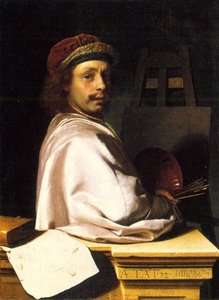
弗兰斯·范·米里斯
1635 - 1681 , 荷兰
艺术家简介
- Artistic Movement Or Style: 精细画派 (Fijnschilder),风俗画
- Artists Or Movements Influenced By This Artist:
- 威廉·范·米里斯 (Willem van Mieris)
- 小弗兰斯·范·米里斯 (Frans van Mieris the Younger)
- A. D. 斯纳潘 (A. D. Snaphaan)
- Artists Who Influenced This Artist:
- 格里特·道 (Gerrit Dou)
- 亚伯拉罕·范·登·滕佩尔 (Abraham van den Tempel)
- Date Of Birth: 1635年
- Date Of Death: 1681年
- Full Name: 弗兰斯·范·米里斯 (Frans van Mieris the Elder)
- Nationality: 荷兰
- Notable Artworks:
- 医生看诊 (Doctor's Visit)
- 手持齐特琴的自画像 (Self-Portrait with a Cittern)
- 音乐会 (Musical Company)
- 二重奏 (Duet)
- Place Of Birth: 荷兰,莱顿
相关文章

荷兰黄金时代:十幅定义艺术史的巨作 | OriginalUniqueArt
探索荷兰黄金时代的艺术巅峰! 伦勃朗、维米尔等大师名作,带您领略巴洛克艺术的辉煌。高清画作、博物馆级品质,点亮您的家居空间。OriginalUniqueArt.com 提供精选艺术复制品和定制装饰方案。立即在线探索全系列!

Crimson Threads of Narrative: Exploring Symbolism & Representation in Artworks Featuring the Red Dress
Explore the rich symbolism of the red dress in art history! From ancient power displays to iconic portraits like Cézanne’s 'Madame Cezanne', discover the cultural and artistic significance behind this captivating color. Expert analysis & insights.

Golden Light & Dutch Skies: The Timeless Magic of Dutch Golden Age Landscapes
Discover the breathtaking beauty of Dutch Golden Age landscapes. Explore the mastery of light, chiaroscuro, and 17th-century realism through an expert art history lens, celebrating the enduring legacy of the Dutch Masters for discerning collectors and art lovers.

Mastering Light & Shadow: A Journey Through the Dutch Golden Age's Luminous Legacy
Embark on a cultural journey through the Dutch Golden Age. Explore the masterful interplay of light and shadow in 17th-century masterpieces, from Rembrandt to Vermeer, and discover how this era of profound realism continues to inspire fine art collectors today.

荷兰黄金时代绘画:文化创新中的现实主义反思
深入探索荷兰黄金时代绘画的文化创新与现实主义反思。本文解读伦勃朗、维米尔等大师的作品,并结合玛莉特·韦斯特曼的图像学研究,揭示艺术史背后的社会语境与现代性意识觉醒。