

 实景预览
实景预览
 发送
发送 分享
分享
 详情
详情 指南
指南

 下载图片
下载图片
 相似作品
相似作品 X射线
X射线 幻灯片播放
幻灯片播放 统计数据
统计数据Boy Blowing Bubbles
 Oil On Panel
- Dutch Golden Age
 1663
1663 26.0 x 19.0 cm
 玛乌里诗博物馆
 阅读全文
阅读全文
艺术微喷/版画
博物馆级艺术微喷或帆布版画,制作高效,并提供多种饰面选择。 ( 订购此收藏品的纯手工复刻画作 切换至数字图像销售渠道)




P118B ¥10

P118H ¥10

P118W ¥10

P438Z ¥10

P508JH ¥12

P508YH ¥12

P805H ¥10

P805Z ¥10

P919BZ ¥10

P919G ¥10

P919XJ ¥10

P959ZH ¥10

P968JZ ¥12

W106C ¥8

W218G ¥10

W218JH ¥8

W218Y ¥10

W307PJ ¥10

W316G ¥10

W316PJ ¥8

W316Y ¥10

W398PJ ¥8

W4111J ¥10

W500HY ¥15

W500JH ¥15

W692G ¥12

W849H ¥8

W940BG ¥15

W953PJ ¥8




您可以从与原作比例一致的预设尺寸中进行选择。

请输入您所需的宽度和高度,以适配您的画框或墙面。由于印刷品只能进行裁剪,无法超出原图尺寸,因此若比例不一致,画面的一部分将会被裁切。在正式印刷之前,我们会为您发送一份数字效果图供您确认。本页面显示的图片并非最终裁剪后的效果——只有效果图才能展示真实的裁剪情况。


 玻璃选项仅适用于110厘米以下的尺寸。

Boy Blowing Bubbles
艺术微喷/版画
复刻品尺寸说明
-


总计金额
¥ 538
The Enigmatic Charm of Frans van Mieris’ “Boy Blowing Bubbles”
Frans van Mieris the Elder's "Boy Blowing Bubbles," painted in 1663, isn’t merely a charming depiction of childhood; it’s a meticulously crafted window into the heart of the Dutch Golden Age. This oil on panel painting, now residing within the hallowed halls of the Mauritshuis museum in The Hague, transcends simple portraiture to become a profound meditation on transience, innocence, and the subtle beauty found within everyday life. Van Mieris, a master of the *fijnschilder* style – renowned for its exquisite detail and nuanced observation – has created an image that continues to captivate viewers centuries after its creation.
The painting immediately draws the eye to the central figure: a young boy lost in the simple pleasure of blowing bubbles. His posture, his focused gaze, and the delicate spheres floating around him evoke a sense of pure joy and unburdened innocence. Yet, beneath this apparent lightness lies a carefully constructed symbolism. The artist’s genius lies not just in capturing a fleeting moment but in imbuing it with layers of meaning rooted in the artistic conventions of his time.
A Window into Dutch Society: Context and Style
To fully appreciate “Boy Blowing Bubbles,” one must understand the context within which it was created. The Dutch Golden Age, spanning roughly from the mid-16th to the early 18th centuries, witnessed an unprecedented flourishing of art, commerce, and intellectual life. Artists like Van Mieris were tasked with documenting this era, capturing not only the grandeur of courtly life but also the quiet rhythms of domestic existence. Van Mieris’s style exemplifies this commitment to realism, yet it's elevated by a remarkable sensitivity to light, color, and texture – hallmarks of the *fijnschilder* movement.
The painting’s composition is deliberately balanced, drawing attention to the intricate details within the background. The ornate window frame, adorned with flowers, a birdcage, and a vase, serves as a miniature landscape in itself, reflecting the wealth and sophistication of the era. Notice how Van Mieris masterfully uses light to create depth and dimension, casting soft shadows that enhance the realism of the scene. The subtle variations in color – from the earthy tones of the furniture to the vibrant hues of the flowers – contribute to the painting’s overall harmony.
Symbolism and the Language of Vanitas
“Boy Blowing Bubbles” is deeply intertwined with the concept of *vanitas*, a prevalent theme in Dutch Golden Age art. *Vanitas* paintings served as reminders of mortality, urging viewers to contemplate the fleeting nature of earthly pleasures and possessions. The bubbles themselves are potent symbols of this transience – beautiful, ephemeral, and destined to disappear. The broken pot in the background further reinforces this idea, representing decay and loss.
However, Van Mieris doesn’t present a purely pessimistic view. The boy's joy is palpable, suggesting that even amidst the awareness of mortality, there is value in embracing the simple pleasures of life. The painting can be interpreted as a celebration of youth, innocence, and the beauty of fleeting moments – a poignant reminder to cherish the present.
A Timeless Masterpiece: Reproduction and Legacy
“Boy Blowing Bubbles” has resonated with audiences for centuries, inspiring countless reproductions and interpretations. Its enduring appeal lies in its ability to evoke a sense of nostalgia, wonder, and quiet contemplation. Today, high-quality reproductions capture the painting’s exquisite detail and luminous quality, allowing art lovers to bring this masterpiece into their homes or offices.
Whether displayed as a statement piece in a contemporary interior or studied for its historical significance, “Boy Blowing Bubbles” remains a testament to Frans van Mieris's artistic genius and a captivating window into the soul of the Dutch Golden Age. Its delicate beauty and profound symbolism continue to inspire and delight viewers around the world.
问答详情
弗兰斯·范·米里斯 的《Boy Blowing Bubbles》 融合了怎样的主题与氛围?
弗兰斯·范·米里斯 的《Boy Blowing Bubbles》 将 bubbles, childhood, dutch art, leisure, transience, window, detail 与 Calm 的氛围完美融合。
在弗兰斯·范·米里斯的创作生涯中,"Boy Blowing Bubbles"处于怎样的地位?
在弗兰斯·范·米里斯的作品集中,"Boy Blowing Bubbles" 呈现出Dutch Golden Age风格,并贯穿着vanitas, dutch golden age, symbolism, moral reflection, genre scene, everyday life, millais, childhood innocence的主题。
在哪里可以找到关于“Boy Blowing Bubbles”的指南?
弗兰斯·范·米里斯 的《Boy Blowing Bubbles》 的 指南 页面提供了一份可打印的两页式学生资料单:包含作品及其身份信息表、将其置于艺术家生平中的年代轴、艺术家的其他作品、经测量的色板,以及四种格式的即用型引用文献。
艺术家简介
沉浸于细节的生命:弗兰斯·范·米里斯长子的艺术世界
弗兰斯·范·米里斯长子(Frans van Mieris the Elder),这个名字本身便是精细入微与高雅艺术的代名词,在荷兰黄金时代占据着举足轻重的地位。1635年出生于莱顿,他的人生轨迹并未延续家族的金匠传统——那是他的父亲扬·巴斯蒂恩斯·范·米里斯所从事的技艺——而是转向了那令人神往的绘画世界。早年对素描的痴迷,为他日后定义“精细画派”(fijnschilder)风格并为世人提供窥探17世纪荷兰社会生活的亲密视角奠定了基础。他在亚伯拉罕·图伦弗利特(Abraham Toorenvliet)门下的初步训练,以及随后从德高望重的格里特·杜(Gerrit Dou)那里获得的至关重要的指导,为他构建独特的艺术语言打下了坚实的基础。这些成长岁月不仅赋予了他精湛的技术,更培养了他对叙事细微差别的敏锐捕捉力以及对微妙观察力的深刻理解。“精细画派”大师的崛起
范·米里斯很快便作为fijnschilder——这个意为“精细绘画”的荷兰术语——的大师而闻名遐迩。这种技法以近乎执着的细节追求、平滑且富有光泽的笔触以及对小幅画布的偏爱为特征。这不仅仅是对现实的复制,更是通过极尽严谨的精准度来升华现实。他画作中的表面仿佛闪烁着生命的光辉——缎面的流光溢彩、天鹅绒的细腻质感、金属的微弱闪光——这一切都以令人惊叹的准确度呈现出来。他不仅仅是在描绘一个房间,更是在重塑其中的氛围,邀请观众步入那些充满生活气息与富足感的场景之中。他的题材经常围绕着富裕阶层的生活展开:优雅的聚会、华丽的室内装饰,以及那些不仅捕捉了容貌、更捕捉了神韵的人物肖像。诸如享用生蚝的午餐、医生为病人诊疗、女性从事日常家务等反复出现的母题,成为了通往上流社会习俗与社交礼仪的窗口。虽然最初深受格里电·杜风格的影响,但范·米里斯逐渐发展出了自己独特的处理方式。他逐渐从过度的细节堆砌转向更加强调人物间的互动以及构图内叙事的展开。相比于早期作品明亮的色调,他后期的作品有时会展现出更深沉的色调特征,反映出其艺术探索的不断深入与成熟。传世杰作与持久遗产
几件关键作品足以见证范·米里斯卓越的技艺与演进的风格。对荷兰艺术的持久贡献
弗兰斯·范·米里斯在塑造荷兰黄金时代绘画中的fijnschilder运动中发挥了关键作用。他对细节的执着、对日常生活与上流社会的写实描绘,以及技术上的卓越成就,为这个本就以艺术创新闻名的时代做出了显著贡献。他曾受到包括利奥波德大公和科西莫三世·德·美第奇在内的显赫人物的赞助,这足以证明其才华在国际上的认可度。即便在今天,他的作品仍以精湛的工艺和对17世纪文化的深刻洞察力吸引着观众。悉尼新南威尔士州美术馆的一幅自画像失窃案,也成为了一个令人心酸的提醒,时刻昭示着其艺术持久的价值与魅力——这一遗产至今仍在激励并吸引着收藏家与艺术爱好者。他的画作不仅仅是历史文物;它们是通往逝去时代的窗口,经过精心的雕琢,蕴含着永恒的美感。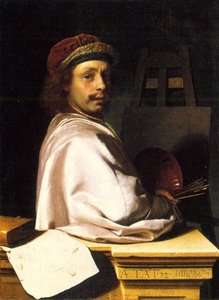
弗兰斯·范·米里斯
1635 - 1681 , 荷兰
快速概览
- Artistic Movement Or Style: 精细画派 (Fijnschilder),风俗画
- Artists Or Movements Influenced By This Artist:
- 威廉·范·米里斯 (Willem van Mieris)
- 小弗兰斯·范·米里斯 (Frans van Mieris the Younger)
- A. D. 斯纳潘 (A. D. Snaphaan)
- Artists Who Influenced This Artist:
- 格里特·道 (Gerrit Dou)
- 亚伯拉罕·范·登·滕佩尔 (Abraham van den Tempel)
- Date Of Birth: 1635年
- Date Of Death: 1681年
- Full Name: 弗兰斯·范·米里斯 (Frans van Mieris the Elder)
- Nationality: 荷兰
- Notable Artworks:
- 医生看诊 (Doctor's Visit)
- 手持齐特琴的自画像 (Self-Portrait with a Cittern)
- 音乐会 (Musical Company)
- 二重奏 (Duet)
- Place Of Birth: 荷兰,莱顿
相关文章

伦勃朗25幅杰作:光影大师的艺术传奇与家居臻选
探索伦勃朗25幅杰作,领略荷兰黄金时代光影大师的艺术传奇!从《夜巡》到自画像,深入了解巴洛克艺术、历史绘画与人物肖像背后的故事。OriginalUniqueArt.com提供高清艺术复制品及家居装饰灵感。立即探索完整系列!

光影交织的时代:荷兰黄金时代绘画艺术的兴盛与创新
深入探索荷兰黄金时代的绘画艺术:伦勃朗、维米尔等大师的技法与创新,了解巴洛克风格的独特演绎。OriginalUniqueArt提供手绘油画复制、艺术咨询及收藏建议,助您领略经典艺术之美。

Mastering Light & Shadow: A Journey Through the Dutch Golden Age's Luminous Legacy
Embark on a cultural journey through the Dutch Golden Age. Explore the masterful interplay of light and shadow in 17th-century masterpieces, from Rembrandt to Vermeer, and discover how this era of profound realism continues to inspire fine art collectors today.

荷兰黄金时代:十幅定义艺术史的巨作 | OriginalUniqueArt
探索荷兰黄金时代的艺术巅峰! 伦勃朗、维米尔等大师名作,带您领略巴洛克艺术的辉煌。高清画作、博物馆级品质,点亮您的家居空间。OriginalUniqueArt.com 提供精选艺术复制品和定制装饰方案。立即在线探索全系列!

Golden Light & Dutch Skies: The Timeless Magic of Dutch Golden Age Landscapes
Discover the breathtaking beauty of Dutch Golden Age landscapes. Explore the mastery of light, chiaroscuro, and 17th-century realism through an expert art history lens, celebrating the enduring legacy of the Dutch Masters for discerning collectors and art lovers.