

 实景预览
实景预览
 发送
发送 分享
分享
 详情
详情 指南
指南

 下载图片
下载图片
 相似作品
相似作品 X射线
X射线 幻灯片播放
幻灯片播放 统计数据
统计数据Three Monkeys Stealing Fruit
 Oil On Canvas
- WallArt
- Baroque
 1640
1640 98.0 x 147.0 cm
 卢浮宫
卢浮宫
 阅读全文
阅读全文
艺术微喷/版画
博物馆级艺术微喷或帆布版画,制作高效,并提供多种饰面选择。 ( 订购此收藏品的纯手工复刻画作 切换至数字图像销售渠道)




P118B ¥10

P118H ¥10

P118W ¥10

P438Z ¥10

P508JH ¥12

P508YH ¥12

P805H ¥10

P805Z ¥10

P919BZ ¥10

P919G ¥10

P919XJ ¥10

P959ZH ¥10

P968JZ ¥12

W106C ¥8

W218G ¥10

W218JH ¥8

W218Y ¥10

W307PJ ¥10

W316G ¥10

W316PJ ¥8

W316Y ¥10

W398PJ ¥8

W4111J ¥10

W500HY ¥15

W500JH ¥15

W692G ¥12

W849H ¥8

W940BG ¥15

W953PJ ¥8




您可以从与原作比例一致的预设尺寸中进行选择。

您可以输入自定义尺寸,以适配特定的画框或空间。如果您选择的尺寸与原图比例不符,我们将对作品进行裁剪,或通过镜像填充/纯色填充边缘的方式来扩展图像。在开始制作之前,我们会向您发送一份数字效果图供您确认。
请注意,屏幕上的预览并不能反映实际的裁剪或扩展效果。只有效果图才能准确展示最终的构图。
虽然我们提供定制尺寸,但为了保持原图比例,我们建议您从预设列表中选择尺寸。


 玻璃选项仅适用于110厘米以下的尺寸。

Three Monkeys Stealing Fruit
艺术微喷/版画
复刻品尺寸说明
-


总计金额
¥ 538
A Symphony of Abundance: Frans Snyders’ “Three Monkeys Stealing Fruit”
Frans Snyders' "Three Monkeys Stealing Fruit," painted around 1640-1649, isn’t merely a depiction of mischievous primates; it’s a vibrant microcosm of Renaissance abundance and the intoxicating allure of earthly delights. Born in Antwerp during a period of artistic ferment, Snyders emerged as a master of still life, animal painting, and dynamic market scenes – genres he elevated with an unparalleled sense of theatricality and sensory detail. This particular work, housed within the Louvre’s collection, exemplifies his signature style: a riotous celebration of textures, colors, and movement that draws the viewer into a world brimming with sensual pleasure.
The painting immediately assaults the senses. A table laden with an astonishing array of fruit – plump apples, glistening grapes, and vibrant pears – dominates the composition. These aren’t simply objects; they are symbols of prosperity, fertility, and the fleeting nature of earthly pleasures. Snyders meticulously renders each piece, capturing the subtle variations in color, texture, and sheen with a remarkable level of realism. The artist's masterful use of chiaroscuro – the dramatic interplay of light and shadow – further enhances the sense of depth and volume, making the fruit appear almost tangible to the viewer.
The Theater of Animal Life
At the heart of this opulent tableau stand three monkeys, engaged in a brazen act of theft. These aren’t caricatures; they are portrayed with an intelligence that hints at cunning and mischief. Their postures are dynamic, their eyes gleaming with anticipation, and their movements suggest a carefully orchestrated plan. Snyders wasn't simply depicting animals; he was exploring the primal instincts – greed, curiosity, and playful rebellion – that reside within them. The monkeys’ actions serve as a subtle commentary on human desires and the temptation to indulge in worldly pleasures.
Snyders’ skill extends beyond mere representation. He imbues the scene with a palpable sense of drama and movement. The composition is carefully balanced, drawing the eye from one element to another. The monkeys' gestures, the scattering of fruit, and even the subtle shadows create an illusion of continuous action – as if the viewer has stumbled upon a secret moment in a bustling marketplace.
A Master of His Time
Snyders’ work is deeply rooted in the artistic traditions of Antwerp during the 17th century. He was influenced by artists like Pieter Brueghel the Younger, whose depictions of peasant life and market scenes provided a foundation for Snyders' own explorations of everyday subjects. However, Snyders pushed beyond mere imitation, developing his own distinctive style characterized by an exuberant energy and a profound appreciation for the beauty of the natural world. His collaboration with Peter Paul Rubens, particularly during the lavish decorations for the Spanish court, further cemented his reputation as one of the most important artists of his generation.
Symbolism and Emotional Resonance
Beyond its visual appeal, “Three Monkeys Stealing Fruit” is rich in symbolic meaning. The act of theft represents a challenge to established order – a reminder that even in the midst of abundance, there will always be those who seek to acquire more. The monkeys themselves can be interpreted as symbols of temptation and folly, urging viewers to consider the consequences of their desires. Yet, despite its cautionary message, the painting ultimately evokes a sense of joy and delight. The sheer profusion of fruit, combined with the monkeys’ playful antics, creates an atmosphere of lightheartedness and exuberance – a celebration of life's simple pleasures.
Reproductions of this captivating artwork offer a remarkable opportunity to bring Snyders’ vibrant vision into your home or office. A hand-painted reproduction captures not only the visual details but also the artist’s masterful use of light, shadow, and color, creating an immersive experience that transports you back to 17th-century Antwerp.
问答详情
"Three Monkeys Stealing Fruit" 是在哪一年创作的?
弗朗斯·斯奈德斯 (Fú Lǎng Sī · Sī Nài Dé Sī) 的《Three Monkeys Stealing Fruit》 的创作年份为 1640。
弗朗斯·斯奈德斯 (Fú Lǎng Sī · Sī Nài Dé Sī) 的《Three Monkeys Stealing Fruit》 融合了怎样的主题与氛围?
弗朗斯·斯奈德斯 (Fú Lǎng Sī · Sī Nài Dé Sī) 的《Three Monkeys Stealing Fruit》 描绘了 monkeys, fruit, theft, baroque, animals, snyders, antwerp,呈现出 Dramatic 的意境。其主题与氛围共同构成了这件作品的精髓。
"Three Monkeys Stealing Fruit" 有艺术版画出售吗?
您可以在 本页 直接订购 弗朗斯·斯奈德斯 (Fú Lǎng Sī · Sī Nài Dé Sī) 的《Three Monkeys Stealing Fruit》 的版画:采用棉质帆布或档案级画布纸制作的艺术版画。
在弗朗斯·斯奈德斯 (Fú Lǎng Sī · Sī Nài Dé Sī)的创作生涯中,"Three Monkeys Stealing Fruit"处于怎样的地位?
在弗朗斯·斯奈德斯 (Fú Lǎng Sī · Sī Nài Dé Sī)的作品集中,"Three Monkeys Stealing Fruit" 呈现出Baroque风格,并贯穿着baroque exuberance, flemish tradition, abundance, market scenes, life, animal studies, hunting motifs, rubens’ collaboration的主题。
弗朗斯·斯奈德斯 (Fú Lǎng Sī · Sī Nài Dé Sī) 的《Three Monkeys Stealing Fruit》 使用了什么技法?
弗朗斯·斯奈德斯 (Fú Lǎng Sī · Sī Nài Dé Sī) 在作品《Three Monkeys Stealing Fruit》中运用了 Oil On Canvas 技法。该技法界定了原作的材质特性。
弗朗斯·斯奈德斯 (Fú Lǎng Sī · Sī Nài Dé Sī) 在创作《Three Monkeys Stealing Fruit》时多大年纪?
当"Three Monkeys Stealing Fruit"于1640创作时,出生于1579的弗朗斯·斯奈德斯 (Fú Lǎng Sī · Sī Nài Dé Sī)正值61岁。
"Three Monkeys Stealing Fruit" 的创作者是谁?
"Three Monkeys Stealing Fruit" 由 弗朗斯·斯奈德斯 (Fú Lǎng Sī · Sī Nài Dé Sī) 创作。本页面的信息旨在介绍 弗朗斯·斯奈德斯 (Fú Lǎng Sī · Sī Nài Dé Sī) 的原作。
艺术家简介
弗朗斯·斯奈德:富饶大师的生平和艺术
弗朗斯·斯奈德,1579年出生于安特卫普,在佛兰德斯巴洛克绘画史上占据着独特而充满活力的地位。虽然鲁本斯和范·戴克的名字常常主导着那个时代的讨论,但斯奈德的贡献——对静物、动物绘画和热闹集市场景的惊人专精——绝不逊色。他不仅仅是描绘物体,更是在庆祝富饶,沉醉于质感,捕捉转瞬即逝的世俗愉悦。他的父亲扬·斯奈德经营着一家受欢迎的酒馆,经常有艺术家光顾,从小就让年轻的弗朗斯沉浸在充满创造力的氛围中。这种环境无疑培养了他的艺术倾向,甚至有人说著名的画家弗朗斯·弗洛里斯曾经在这家酒馆挥霍了他的财富——一个色彩鲜艳的轶事,暗示着围绕斯奈德童年生活的活跃气氛。他最初师从彼得·布鲁盖尔二世,学习构图和细节技巧,后来在亨德里克·凡·巴伦门下磨练技能,后者也指导过安东尼·范·戴克。坚实的基础使他在1602年成为安特卫普圣卢卡行会的成员,标志着他多产职业生涯的正式开始。合作与创新:斯奈德的艺术发展
斯奈德的艺术之旅并非孤独的追求;合作是他实践的核心。他很快确立了作为当时领先艺术家们追捧的合作伙伴的地位,最著名的是彼得·保罗·鲁本斯。他们的关系证明是极其富有成效的,斯奈德经常被委以在鲁本斯的宏大构图中绘制动物和静物元素的任务。西班牙托雷·德拉帕拉达狩猎馆就是他们共同才华的见证——斯奈德根据鲁本斯的设计创作了六十多幅动物画作。这种合作不仅仅是完成委托,更是思想的动态交流,推动两位艺术家达到新的技术和表现水平。除了鲁本斯之外,斯奈德还与安东尼·范·戴克、雅各·约尔丹斯和亚伯拉罕·扬森斯合作,展示了他的多才多艺和适应能力。然而,他不仅仅是这些大师的配角。他开创了一种独特的风格,其特点是动态的构图、对纹理的出色表现——从水果的光泽到猎物的粗糙皮毛——以及一种充满活力的现实感,赋予他的主题生命力。斯奈德基本上发明了独立的动物静物画派,超越了传统的狩猎战利品描绘,探索自然世界内在的美丽和活力。视觉盛宴:主题与技巧
斯奈德作品的核心主题围绕着世俗的快乐——市场的丰收、狩猎的刺激、以及储备充足的食品储藏室的简单优雅。他的集市场景尤其引人入胜,充满了人物、溢出篮筐和一种几乎可以触摸到的能量感。他不回避描绘食物生产的现实;在纯净的水果和蔬菜旁边,人们可能会发现被拔下的家禽或新鲜捕获的鱼类,提醒着观众生命和维持的循环。他的静物画不是静态的安排,而是似乎邀请互动的动态展示。斯奈德拥有捕捉光影的非凡能力,创造出一种深度感和体积感,使他的主题看起来几乎有形。他采用了松散、绘画般的笔触,尤其是在渲染皮毛和羽毛时,在不牺牲艺术表现力的情况下实现了惊人的现实主义水平。《食品储藏室》,例如,是这种技巧的惊人展示——一个混乱而和谐地排列着食物和厨房用具,沐浴在戏剧性的光线下。这位艺术家对细节的关注一丝不苟,但它从不显得过于繁琐;相反,它有助于整体的富饶和活力感。遗产与持久影响
弗朗斯·斯奈德对静物画和动物绘画的发展产生了超越他一生范围的影响。他在这些流派中树立了新的现实主义和动态标准,影响了几代艺术家。他的作品为后来的大师让-巴蒂斯特·乌德里和弗朗索瓦·迪波特铺平了道路,他们进一步完善了动物肖像艺术。斯奈德的影响也可以在荷兰黄金时代的静物画传统中看到,在那里,威廉·克拉兹松·赫达和彼得·克莱斯等艺术家拥抱了对纹理、光线和构图的相似关注。他不仅是一位熟练的技术人员,还是一位敏锐的自然观察者,以非凡的敏感性捕捉其美丽和复杂性。他的画作今天继续吸引着观众,为17世纪安特卫普充满活力的艺术景象提供了一瞥,并提醒我们艺术持久的力量去庆祝生活的简单快乐。他死后,他的大量藏品被马蒂斯·穆森收购,确保了他的遗产将继续激励几个世纪的艺术家。
弗朗斯·斯奈德斯 (Fú Lǎng Sī · Sī Nài Dé Sī)
1579 - 1657 , 比利时
快速概览
- Artistic Movement Or Style: 巴洛克风格
- Artists Or Movements Influenced By This Artist:
- 让-巴蒂斯特·乌德里
- 弗朗索瓦·迪波特
- Artists Who Influenced This Artist:
- 彼得·布鲁盖尔二世
- 亨德里克·凡·巴伦
- Date Of Birth: 1579年
- Date Of Death: 1657年
- Full Name: 弗朗斯·斯奈德斯
- Nationality: 佛兰芒
- Notable Artworks:
- 食品储藏室
- 市场场景
- 狩猎场面
- Place Of Birth (City And Country): 比利时安特卫普
相关文章
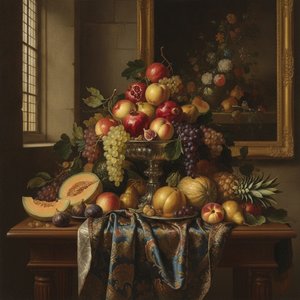
Nature's Bounty: The Art History of Fruit Arrangement Masterpieces and the Baroque Still Life Tradition
Explore the profound beauty of fruit arrangement masterpieces. From Dutch Golden Age opulence to Baroque chiaroscuro, discover the art history, symbolism, and timeless elegance of classical still life paintings for the discerning collector.

The Bountiful Still Life: Symbolism & Artistic Representation of Fruit Across Art History
Explore the rich history of still life painting & the symbolism of fruit across art movements. Discover masterpieces from Caravaggio to Cézanne with OriginalUniqueArt – expert guidance & museum-quality reproductions.
生机勃勃:动物意象在艺术与室内设计中的永恒呈现
探索动物意象在艺术史上的永恒魅力!OriginalUniqueArt.com提供高品质油画复制、定制肖像及室内设计咨询。大师作品还原,个性化创作,点亮您的家居生活。专业团队,值得信赖!

Silent Narratives: Exploring the Enduring Appeal of Still Life Painting Across Centuries
Explore the rich history of still life painting with OriginalUniqueArt. Discover Dutch Masters, decode vanitas symbolism & learn about collecting timeless art. Expert insights and museum-quality reproductions.
Beastly Brushstrokes: A Historical Journey Through Animal Painting & Aesthetic Movements
Explore the rich history of animal painting across cultures & movements. Discover iconic artists, symbolism, collecting trends & expert art consultation at OriginalUniqueArt.com.
