切换至版画销售渠道
 展开全文
展开全文







































 对于任何边长超过 105 厘米(约 41 英寸)的艺术品或复制品,画框将以拆解后的组件形式发货。此方法可确保安全送达并防止运输过程中的损坏。


Frans Snyders’ “Fruit Stall”: A Baroque Symphony of Abundance
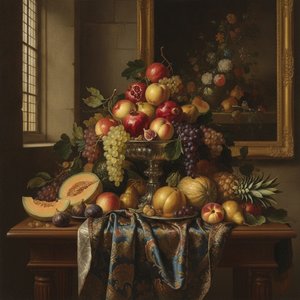
Frans Snyders' "Fruit Stall," painted in 1618, isn’t merely a depiction of a marketplace scene; it’s a vibrant, teeming microcosm of the world as perceived through the lens of the Dutch Golden Age. This monumental oil on canvas, now residing within the esteemed Hermitage Museum in St. Petersburg, is a testament to Snyders' mastery of capturing dynamic movement and overwhelming abundance – hallmarks of his unique artistic vision. The painting immediately assaults the senses with its sheer density: overflowing baskets brimming with an astonishing variety of produce—apples gleaming ruby red, plump bananas, vibrant carrots, and even broccoli—all vying for attention amidst a bustling crowd.
Snyders’ style firmly anchors this work within the Baroque period. Rejecting the cool rationality of Mannerism, he embraced dramatic lighting, intense color palettes, and an almost theatrical approach to composition. Notice how light dramatically illuminates specific elements – a particularly luscious apple or a merchant's outstretched hand – while plunging other areas into shadow, creating a powerful sense of depth and volume. The figures themselves are not idealized; they’re rendered with a remarkable realism that captures the weariness of labor, the shrewdness of commerce, and the casual interactions of everyday life. The painting is less about presenting a perfect scene than it is about conveying the raw energy and sensory overload of a busy marketplace.
A Masterclass in Composition and Detail
Snyders’ genius lies not just in his ability to paint realistically, but in his masterful orchestration of elements. The composition is deliberately chaotic yet meticulously balanced. The eye is drawn from the foreground figures – a man and woman engaged in what appears to be a transaction – through a complex network of baskets, tables, and bodies, ultimately leading to a distant, hazy background. This layering creates an incredible sense of spatial depth, pulling the viewer directly into the heart of the scene. Every detail, from the individual wrinkles on the merchants’ faces to the texture of the fruit skins, is rendered with painstaking accuracy – a testament to Snyders' meticulous observation and technical skill.
The inclusion of seemingly mundane objects—a wheelbarrow laden with goods, a simple wooden table, a collection of earthenware jugs—adds layers of symbolic meaning. These elements represent not just the practicalities of trade but also the fundamental values of prosperity, community, and sustenance. The abundance depicted is a deliberate celebration of life’s earthly pleasures, reflecting the optimism and material wealth that characterized the Dutch Republic during this period.
Symbolism and the Renaissance Spirit
Beyond its immediate visual impact, “Fruit Stall” resonates with deeper symbolic themes rooted in Renaissance thought. The profusion of goods can be interpreted as a metaphor for earthly riches and the fleeting nature of material possessions – a common preoccupation of artists during this era. The presence of both merchants and customers highlights the interconnectedness of society and the importance of trade in fostering economic growth. Furthermore, Snyders’ depiction of everyday life reflects the Renaissance humanist interest in portraying humanity in all its complexity and imperfection.
Interestingly, the painting's composition echoes earlier works like Johann Zoffany’s “A Florentine Fruit Stall,” demonstrating a shared fascination with capturing the dynamism of market scenes. However, Snyders injects his own distinctive Baroque flair, imbuing the scene with an unparalleled sense of drama and vitality. The inclusion of elements such as the passion fruit (a symbol of fertility and resurrection) subtly elevates the painting beyond a simple depiction of commerce, hinting at deeper spiritual and philosophical themes.
Bringing “Fruit Stall” into Your Space
Reproductions of Snyders’ "Fruit Stall" offer a remarkable opportunity to bring this captivating scene into your home or office. Whether you opt for a high-quality print on canvas, aluminum, or even watercolor paper, you'll experience the painting's vibrant colors and dynamic composition in stunning detail. Consider framing it within a classic Baroque style frame to further enhance its historical context. “Fruit Stall” is more than just a beautiful image; it’s a window into a bygone era—a celebration of abundance, commerce, and the enduring spirit of human creativity.
常见问题与解答
"Fruit Stall" 的材质是什么,采用了哪种风格?
在“Fruit Stall”中,Oil On Canvas技法与Baroque运动交相辉映。
弗朗斯·斯奈德斯 (Fú Lǎng Sī · Sī Nài Dé Sī) 的《Fruit Stall》 的色彩浓郁度如何?
“Fruit Stall”的色彩强度为Balanced。强度描述了色彩呈现的浓郁程度。
在哪里可以预览“Fruit Stall”?
通过“Fruit Stall”的效果预览页面,您可以在下单前预览艺术品。
 实景预览
实景预览
 分享
分享 分享
分享
 详情
详情 指南
指南

 下载作品
下载作品
 相似作品
相似作品 X射线
X射线 幻灯片播放
幻灯片播放 问答
问答 统计数据
统计数据