

 效果预览
效果预览
 购买印刷品
购买印刷品 分享
分享 分享
分享
 详情
详情

 下载
下载
 相似作品
相似作品 X射线
X射线 幻灯片播放
幻灯片播放Landscape at Polling


 展开详情
展开详情




P118B $10

P118H $10

P118W $10

P438Z $10

P508JH $12

P508YH $12

P805H $10

P805Z $10

P919BZ $10

P919G $10

P919XJ $10

P959ZH $10

P968JZ $12

W106C $8

W218G $10

W218JH $8

W218Y $10

W307PJ $10

W316G $10

W316PJ $8

W316Y $10

W398PJ $8

W4111J $10

W500HY $15

W500JH $15

W692G $12

W849H $8

W940BG $15

W953PJ $8




从与原作比例一致的预设尺寸中进行选择。

您可以输入自定义尺寸,以适配特定的画框或空间。如果所选尺寸与原图比例不符,我们将通过裁剪作品或添加手绘元素来扩展画面。数字样稿将在制作开始前发送给您确认。
请注意,屏幕预览无法准确反映实际的裁剪或扩展效果,只有样稿才能真实呈现最终的构图。
虽然我们提供定制尺寸服务,但为了保留原作比例,建议您从预设列表中选择尺寸。
下单后,OriginalUniqueArt.com 团队将通过电子邮件联系客户获取具体要求,并提供效果预览图。


 玻璃选项仅适用于110厘米以下的尺寸。

Landscape at Polling
复制材质
复制品尺寸
-


最终总价
$ 300
作品详情
Landscape at Polling
The canvas breathes with an understated grandeur – Landscape at Polling by Frank Duveneck (1876), a painting that transcends mere depiction, immersing the viewer in a poignant meditation on beauty and loss amidst the turbulent currents of Victorian England. Situated in Covington, Kentucky, Duveneck’s formative years were marked by profound sorrow; his father succumbed to cholera shortly after birth, shaping him into an artist acutely attuned to the fragility of life and the enduring power of memory. This familial tragedy undoubtedly fueled a dedication to capturing emotion on canvas, resulting in works that resonate with palpable sincerity. The artwork itself presents a panoramic vista of a river valley bathed in diffused twilight. Dominating the composition is a wide expanse of water – likely the Ohio River – reflecting the overcast sky and punctuated by partially submerged boats, hinting at recent flooding events prevalent during Duveneck’s era. Scattered along the riverbank are figures—likely villagers—adding scale to the scene and grounding it in the everyday realities of rural life. A stately church spire rises from the distant hills, a symbol of faith and permanence against the backdrop of transient natural forces. Duveneck's stylistic approach firmly anchors Landscape at Polling within the Romantic tradition. Loose brushstrokes dominate the surface, prioritizing expressive gesture over meticulous detail—a hallmark of the movement’s desire to convey feeling rather than simply representing observation. The artist skillfully employs atmospheric perspective, layering colors and textures to create a convincing illusion of depth, mirroring the grandeur of the natural world while simultaneously conveying an underlying melancholy. Light plays a crucial role in establishing mood; its soft diffusion contributes to a contemplative atmosphere, inviting contemplation on themes of vulnerability and resilience. Technically, Duveneck executed Landscape at Polling using oil paint on canvas—a medium favored by Romantic artists for its ability to capture nuanced tonal variations and luminous effects. The artist’s meticulous layering of pigment builds up texture, simulating the roughness of the hillside terrain and the shimmering surface of the river water. Careful blending ensures harmonious color transitions, reinforcing the painting's overall mood. Beyond its aesthetic qualities, Landscape at Polling carries significant symbolic weight. The flooded landscape serves as a poignant reminder of mortality—a visual metaphor for confronting inevitable hardship with grace and fortitude. Simultaneously, the church spire symbolizes spiritual solace and enduring faith, offering a counterpoint to the pervasive gloom. Duveneck’s masterful rendering captures not only the beauty of the natural world but also its capacity to inspire profound emotional responses. It remains an evocative testament to Romantic idealism and a captivating glimpse into the artistic sensibilities of a bygone era—a piece destined to resonate with collectors and interior designers alike who appreciate art that speaks to the human condition.艺术家简介
悲剧与现实主义的交织人生
弗兰克·杜文内克,1848年出生于美国肯塔基州新兴的河畔小镇科文顿,原名弗兰克·德克尔。他的个人经历如同他笔下那些充满力量的画布一样引人入胜。童年时期笼罩在失去父亲的阴影之下——父亲在他还不到一岁时就因霍乱去世,这对他的人生轨迹产生了不可磨灭的影响。这场早期的悲剧,加上母亲随后与约瑟夫·杜文内克结婚(他因此采用了沿用的名字),赋予了他坚韧不拔的精神,或许也培养了一种敏锐的感知力,这种感知力后来渗透到他的艺术创作中。通过继父带来的德国血统以及成长过程中美国本土景观的影响,为这位艺术家奠定了独特的文化基础。年幼时,他对绘画的天赋显露出来,先后师从当地画家约翰·施密特学习,并进入一家专门从事教堂装饰的公司学徒——这是一个至关重要的时期,他磨练了技术技巧,并吸收了视觉图像的叙事力量。这不仅仅是掌握技法的问题,更是理解艺术如何唤起情感和讲述故事,这些教训贯穿了他整个职业生涯。慕尼黑熔炉:拥抱黑暗现实主义
1869年,杜文内克踏上了一段变革之旅前往德国慕尼黑,寻求在皇家学院接受高等艺术训练。这一举动证明是关键性的。当时慕尼黑盛行的美学是一种严峻的现实主义——一种对学术理想化的刻意摒弃,转而追求直接观察和毫不掩饰的诚实。这与杜文内克产生了深刻共鸣,他拥抱了一种更暗淡的色调和更加充满活力、富有表现力的笔触。他对17世纪荷兰大师弗朗斯·哈尔斯的作品着迷,哈尔斯生动的人物肖像和对光线的精湛运用深深影响了他的风格。《扇中佳人》(1873年)就鲜明地体现了这种影响,其挥洒的笔触和沉郁的色调呼应了哈尔斯的精神,同时又确立了杜文内克自己独特的艺术声音。正是在这些形成期的岁月里,他开始发展出他赖以成名的标志性风格:一种充满心理深度和情感强度的强大现实主义,与许多同代人青睐的光滑表面形成了鲜明对比。《吹口哨的男孩》(1872年)是早期表现力的典范,它以非凡的即时感捕捉到青春活泼的一瞬间,并传达出一种有形的生活气息。导师的影响: “杜文内克男孩”及其他
到了1878年,杜文内克已在艺术界确立了自己的重要地位,不仅作为画家,还作为教育家。他在慕尼黑创办了自己的学校,吸引了一批雄心勃勃的美国艺术家,他们被称为“杜文内克男孩”。其中包括约翰·特瓦奇曼、奥托·巴赫尔、尤利乌斯·罗尔肖文和约翰·怀特·亚历山大——这些艺术家后来都成为美国印象派和现实主义的重要人物。杜文内克的教学理念强调直接观察、大胆的笔触以及对传统学术约束的摒弃。他鼓励学生在掌握扎实素描基础和表现力色彩原则的前提下,开创自己的艺术道路。当他接受辛辛那提艺术学院的职位时,他的影响力回到了美国,在那里他指导了另一代艺术家,包括伊达·霍尔特霍夫·霍洛威、约翰·克里斯汀·约翰森和拉塞尔·赖特。他培养了一种创新和独立的精神,帮助塑造了美国艺术的发展历程,为那些在他的指导下学习的学生留下了不可磨灭的印记。不断演变的视野与持久的遗产
杜文内克重返美国后,他的艺术之旅继续发展。虽然他仍然致力于现实主义,但他的调色板开始变得更明亮,受到印象派以及他频繁前往意大利和法国旅行的影响。他越来越频繁地探索风景画创作,捕捉威尼斯阳光灿烂的景色和马萨诸塞州海岸崎岖的美丽。尽管经历了这些风格上的转变,他的作品始终保持着独特的特征——技术精湛、情感深刻和心理洞察力的融合。1888年失去妻子伊丽莎白·布特·杜文内克的个人悲剧在他的晚年投下了长长的阴影,或许也促成了他后来一些作品中内省的品质。弗兰克·杜文内克于1919年在肯塔基州科文顿去世,留下了一笔丰富的艺术遗产。他的画作现在被纽约大都会艺术博物馆、华盛顿特区国家美术馆和辛辛那提艺术博物馆等著名收藏机构所珍藏——这些都是他对美国艺术持久贡献的证明。他仍然是学术传统向现代现实主义过渡中的关键人物,一位敢于挑战惯例并坚定不移地开创自己道路的艺术家。持久的影响
- 开创现实主义:杜文内克致力于描绘真实的生活,不加理想化,为后来的美国现实主义画家铺平了道路。
- 有影响力的教育家:他对“杜文内克男孩”以及随后在辛辛那提艺术学院的学生的影响对美国印象派和现实主义的发展产生了深远的影响。
- 精湛的技艺:杜文内克娴熟地运用笔触、色彩和构图,至今仍在激励着艺术家们。
- 深刻的心理洞察力:他捕捉人物内心世界的能力为他的作品增添了一层复杂性和情感共鸣。
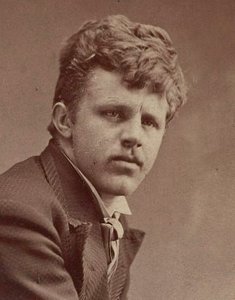
弗兰克·杜文内克 (Fúlánkè Dùwénnèikè)
1848 - 1919 , 美国
艺术家简介
- Artistic Movement Or Style: 现实主义
- Artists Or Movements Influenced By This Artist: ['美国印象派']
- Artists Who Influenced This Artist: ['弗朗斯·哈尔斯']
- Date Of Birth: 1848年10月9日
- Date Of Death: 1919年1月3日
- Full Name: 弗兰克·杜文内克
- Nationality: 美国国籍
- Notable Artworks (List Of Titles):
- 扇子夫人
- 吹口哨的男孩
- Place Of Birth (City And Country): 美国肯塔基州科维нгтон市
相关文章
Romantic Realism's Finest: 10 Masterpieces for Your Home | OriginalUniqueArt
Explore 10 defining masterpieces of Romantic Realism! Discover Courbet, Millet & Daumier's powerful paintings—capturing emotion and social realities. Find museum-quality reproductions for your home at OriginalUniqueArt.com.

浪漫主义画派的十部巨作:定义风景画的艺术传奇
探索浪漫主义风景画的巅峰!本文精选十部经典名作,带您领略莫奈、库尔贝等大师的艺术魅力。感受色彩与光影的诗意,重温自然风光的震撼。OriginalUniqueArt.com为您提供博物馆级别的艺术复制品和个性化家居装饰方案。尽在OriginalUniqueArt.com!

American Realism's Defining Works: 10 Masterpieces for Your Home
Explore 10 defining American Realism masterpieces – Hopper, Homer & more. Discover the stories behind these iconic paintings and bring timeless art to your home with OriginalUniqueArt's museum-quality reproductions. Explore the full collection online.

Evocations of Place: A Historical Journey Through Landscape Art
Explore the rich history of landscape art with OriginalUniqueArt. Discover renowned artists, movements like Impressionism & Romanticism, and expert guidance for collecting timeless pieces. Find your perfect serene escape today!

Romantic Realism: The Masterful Fusion of Raw Emotion and Hyper-Realistic Detail for the Modern Collector
Discover the captivating world of Romantic Realism. Explore how master artists blend raw emotion with hyper-realistic detail to create timeless, museum-quality oil paintings perfect for sophisticated modern collectors and luxury home interiors.

