实景预览
实景预览
 分享
分享 分享
分享
 详情
详情 指南
指南

 下载作品
下载作品
 相似作品
相似作品 X射线
X射线 幻灯片播放
幻灯片播放 Q&A
Q&A 统计数据
统计数据The Love Letter

- 81.0 x 75.0 cm


 展开全文
展开全文
艺术微喷/版画
博物馆级艺术微喷或帆布版画,制作高效,并提供多种饰面选择。 ( 订购纯手工绘制画作 切换至数字图像销售渠道)




P118B ¥10

P118H ¥10

P118W ¥10

P438Z ¥10

P508JH ¥12

P508YH ¥12

P805H ¥10

P805Z ¥10

P919BZ ¥10

P919G ¥10

P919XJ ¥10

P959ZH ¥10

P968JZ ¥12

W106C ¥8

W218G ¥10

W218JH ¥8

W218Y ¥10

W307PJ ¥10

W316G ¥10

W316PJ ¥8

W316Y ¥10

W398PJ ¥8

W4111J ¥10

W500HY ¥15

W500JH ¥15

W692G ¥12

W849H ¥8

W940BG ¥15

W953PJ ¥8




您可以从与原作比例一致的预设尺寸中进行选择。

请输入您所需的宽度和高度,以适配您的画框或墙面。由于印刷品只能进行裁剪,无法超出原图尺寸,因此若比例不一致,画面的一部分将会被裁切。在正式印刷之前,我们会为您发送一份数字效果图供您确认。本页面显示的图片并非最终裁剪后的效果——只有效果图才能展示真实的裁剪情况。


 玻璃选项仅适用于110厘米以下的尺寸。

The Love Letter
艺术微喷/版画
复刻品尺寸
-


最终结算价
¥ 538
The Enigmatic Embrace: Deconstructing "The Love Letter" by François Boucher
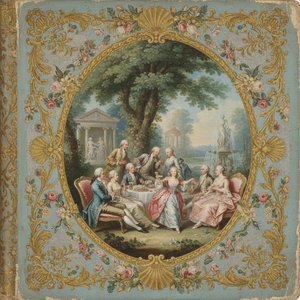
François Boucher’s “The Love Letter,” painted in 1750 for the discerning marquise de Pompadour, is more than a charming pastoral scene; it's a meticulously crafted embodiment of Rococo ideals – a delicate dance between sensuality, allegory, and aristocratic leisure. The painting captures a moment of quiet intimacy within a verdant forest setting, depicting two young women seated on the ground, lost in conversation amidst scattered sheep, creating an atmosphere of serene beauty and subtle intrigue. Boucher masterfully employs a palette of soft pastels – blush pinks, pale blues, and creamy greens – to evoke a sense of ethereal light and dreamlike tranquility. The figures themselves are rendered with exquisite detail, their clothing flowing and luxurious, hinting at the wealth and privilege of their world. The sheep, strategically placed throughout the composition, serve not merely as decorative elements but also as symbols of innocence and pastoral virtue, anchoring the scene within a traditional Arcadia – an idealized realm of shepherds and shepherdesses.
Rococo Refinement: Boucher’s Artistic Language
Boucher was a pivotal figure in establishing the Rococo style, characterized by its emphasis on ornamentation, grace, and playful eroticism. Unlike the grand narratives of his predecessors, Boucher frequently focused on intimate scenes of courtship and leisure, often populated with idealized figures and fantastical elements. “The Love Letter” exemplifies this approach perfectly. The composition is carefully balanced, utilizing a pyramidal structure to draw the eye towards the central figures. Boucher’s brushwork is remarkably smooth and fluid, creating an illusion of depth and movement. He expertly utilizes *sfumato*, a technique borrowed from Leonardo da Vinci, to soften edges and create a hazy atmosphere, contributing to the painting's overall sense of dreaminess. The meticulous rendering of fabrics – the satin gowns, the delicate lace collars – demonstrates Boucher’s exceptional skill in depicting textures and materials, adding layers of visual richness to the scene.
A Marquise’s Secret: Context and Patronage
The painting's creation was intrinsically linked to the patronage of Madame de Pompadour, Louis XV’s influential mistress. She was a passionate art collector and a significant force in shaping the artistic landscape of France during the 18th century. Boucher, as her favored artist, received considerable commissions from her, often tasked with creating decorative panels for her lavish residences, particularly at Bellevue. “The Love Letter” was originally intended to adorn an *chambre doré* (gilded room) within this estate, a space designed to evoke the beauty and tranquility of the countryside. The painting’s intimate setting and subtle eroticism were likely chosen to reflect Pompadour's own sophisticated tastes and her desire for a private sanctuary away from the pressures of court life. The inclusion of the messenger, holding a letter, immediately establishes a narrative of romantic correspondence and secret affections – themes that resonated deeply with the marquise’s personal life.
Symbolism and Emotional Resonance
Beyond its surface beauty, “The Love Letter” is rich in symbolic meaning. The two women represent an idealized vision of feminine companionship and mutual affection. Their relaxed posture and engaged gazes suggest a deep connection and shared understanding. The forest setting itself symbolizes fertility, abundance, and the restorative power of nature. The scattered sheep further reinforce this association with pastoral innocence and tranquility. However, there’s also a subtle undercurrent of melancholy – a hint that this idyllic scene is fleeting and ephemeral. Boucher masterfully captures a moment of suspended time, inviting viewers to contemplate the complexities of love, desire, and the passage of time. The painting's enduring appeal lies in its ability to evoke a sense of nostalgia for a bygone era—a world of refined elegance, secret passions, and timeless beauty.
This reproduction offers an exceptional opportunity to bring Boucher’s masterpiece into your home or office, capturing the essence of Rococo artistry with stunning detail and vibrant color. It's more than just a painting; it’s a portal to a world of refined pleasure and romantic intrigue.
常见问题与解答
"The Love Letter" 会为空间营造怎样的氛围?
凭借其Romantic的意境,建议将“The Love Letter”装饰于Hotel Lobby。
弗朗索瓦·布歇 的《The Love Letter》 的色调是明亮还是深沉?
“The Love Letter”的整体亮度为deep_shadow,其亮度值为Dark。
弗朗索瓦·布歇 的《The Love Letter》 的构图以什么颜色为主导?
在“The Love Letter”中,最引人注目的颜色是Black (#100e0e)。了解作品的主色调有助于将其与室内装饰进行搭配。
艺术家简介
弗朗索瓦·布歇:洛可可风格的典范
18世纪的法国艺术舞台上,弗朗索瓦·布歇(François Boucher, 1703-1770)无疑是一位举足轻重的艺术家。他以其优雅、感性以及充满趣味的精神,成为了洛可可风格最杰出的代表人物之一。他的作品不仅是那个时代的缩影,更体现了贵族阶层对奢华与享乐的追求。
早年生活与艺术启蒙
1703年9月29日,弗朗索瓦·布歇出生于巴黎。他的艺术之路始于父亲让·布歇(Jean Boucher)的悉心教导,父亲本身也是一位画家。十七岁时,他凭借出色的天赋吸引了弗朗索瓦·勒莫因(François Lemoyne)的注意,并师从其门下接受短暂而富有成效的训练。随后,他又跟随雕刻家让-弗朗索瓦·卡尔斯(Jean-François Cars)学习精湛的技艺,最终在1720年赢得了声名显赫的罗马大奖,为他开启了通往艺术巅峰的大门。
走向辉煌与风格确立
布歇获得罗马大奖后前往意大利深造,这段经历对他产生了深远的影响。回到法国后,他在1731年被接纳进入皇家绘画雕塑学院(Académie Royale de Peinture et de Sculpture)。他的接纳作品“林达尔与阿玛达”(Rinaldo and Armida, 1734)立刻确立了他作为洛可可风格大师的地位。这一时期,他逐渐形成了独特的艺术语言,其特点是细腻的笔触、柔和的色彩以及对神话和田园主题的强调。
主要作品与艺术主题
布歇的作品题材十分广泛,涵盖了神话、肖像、风俗画以及装饰艺术等多个领域。他最著名的作品包括:
- “早餐”(The Breakfast, 1739):一幅描绘家庭生活的温馨画面,展现了他与妻子儿女的形象。
- “维纳斯的胜利”(The Triumph of Venus, 1740-1751):一系列作品充分展示了布歇对神话故事的精湛演绎能力。
- 为蓬帕杜夫人(Madame de Pompadour)创作的大量肖像画,巩固了他宫廷艺术家的地位。蓬帕杜夫人是路易十五国王的情妇,对法国文化产生了深远的影响。
- 如“日落”(The Setting of the Sun)等风景画,展现了布歇对自然景色的诗意和理想化表达。
在布歇的作品中,爱情、美、休闲以及理想化的神话世界是反复出现的主题。他的绘画作品常常营造出一种充满情趣的氛围,并传递着精致优雅的情感。
影响与遗产
布歇的影响力远远超出了绘画领域。他曾为剧院设计服装和舞台布景,为博韦(Beauvais)工坊创作挂毯,并与戈贝林工坊(Gobelins Manufactory)合作。1765年被任命为国王首席画家(Premier Peintre du Roi),进一步巩固了他作为法国洛可可风格领军艺术家的地位。
尽管后世评论家对洛可可艺术的表面性提出了质疑,但布歇的影响力是不可否认的。他影响了让-奥诺雷·弗拉戈纳尔(Jean-Honoré Fragonard)等艺术家,并通过他的学生为新古典主义的发展做出了重要贡献。
历史意义
弗朗索瓦·布歇的作品为我们了解18世纪法国社会的风尚和价值观提供了宝贵的窗口。他的绘画作品反映了那个时代贵族文化的特征,包括奢华、精致以及对享乐的追求。他至今仍是一位重要的艺术人物,以其精湛的技艺、创新的艺术理念以及对洛可可风格的持久贡献而备受赞誉。

弗朗索瓦·布歇
1703 - 1770 , 法国
艺术家简介
- 代表作品:
- 林达尔与阿玛达
- 早餐
- 波姆帕杜夫人肖像
- 出生地: 法国巴黎
- 出生日期: 1703年9月29日
- 受影响者: ['让-奥诺雷·弗拉戈纳尔']
- 国籍: 法国
- 姓名: 弗朗索瓦·布歇
- 影响者:
- 弗朗索瓦·勒穆安
- 让-弗朗索瓦·卡尔斯
- 艺术运动或风格: 洛可可
- 逝世日期: 1770年
相关文章

The Allure of Elegance in Art: A Historical & Aesthetic Exploration of Refinement & Grace
Explore the exquisite world of Rococo art! Discover its history, masters (Watteau, Boucher & more), and defining elegance. Expert insights for collectors seeking museum-quality reproductions & custom portraits.

洛可可美学:18世纪艺术中的奢华、反叛与愉悦追求
深入探索18世纪洛可可艺术的奢华与反叛。了解其风格特征、代表画家及其作品,以及对后世艺术的影响。OriginalUniqueArt提供精美手绘油画复制品和专业艺术咨询服务。
François Boucher: Rococo Master of Myth, Sensuality, and the French Court
Explore the captivating world of François Boucher, master of Rococo painting! Discover his iconic works, aristocratic patronage, and lasting influence on French art history. Learn more at OriginalUniqueArt.

洛可可艺术史诗:十幅名作定义优雅与华彩
探索洛可可艺术的辉煌!本文精选十幅名作,从华丽色彩到精致细节,揭秘法国洛可可风格的魅力。跟随大师们的足迹,感受艺术史上的优雅与浪漫。OriginalUniqueArt.com为您提供博物馆品质的艺术复制品和个性化家居装饰方案。尽在OriginalUniqueArt.com!