切换至版画销售渠道
 展开全文
展开全文







































 对于任何边长超过 105 厘米(约 41 英寸)的艺术品或复制品,画框将以拆解后的组件形式发货。此方法可确保安全送达并防止运输过程中的损坏。


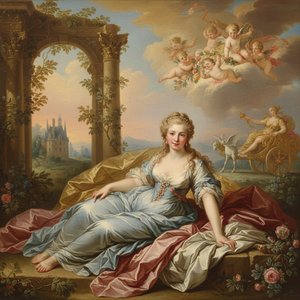
A Moment of Pastoral Reverie: "Dreaming Shepherdess" by François Boucher
François Boucher’s “Dreaming Shepherdess,” painted in 1763, is more than just a portrait; it's a carefully constructed evocation of Rococo ideals – a serene tableau brimming with delicate beauty and suggestive symbolism. This intimate scene, measuring 60 x 47 cm, captures a young woman lost in contemplation amidst the tranquil embrace of a woodland setting. The painting’s power lies not just in its technical execution but also in its ability to transport the viewer into a world of quiet grace and idyllic fantasy.
Rococo Sensibility and Boucher's Vision
Created during the height of the Rococo movement, “Dreaming Shepherdess” exemplifies Boucher’s mastery of this style. Born in Paris in 1703, Boucher rose to prominence through his winning entry at the Grand Prix de Rome – a prestigious competition that launched many careers within the French Academy. His work is characterized by its soft brushwork, luminous color palette, and emphasis on decorative elegance. Unlike the grand historical narratives favored by some of his contemporaries, Boucher focused on capturing fleeting moments of beauty and emotion, often depicting mythological or allegorical subjects with a distinctly sensual and playful approach. This painting perfectly embodies this sensibility, presenting a scene that feels both timeless and intensely personal.
Subject and Composition: A Study in Tranquility
- The Shepherdess: The central figure, a young woman seated amongst the trees, exudes an air of gentle repose. Her posture suggests relaxation and introspection; she holds a basket, perhaps containing provisions for her dog or simply a comforting object.
- The Dog: The presence of the dog is significant within the Rococo tradition, often symbolizing loyalty, companionship, and even pastoral innocence. Its attentive gaze adds to the scene’s overall feeling of warmth and connection.
- Naturalistic Detail: Boucher meticulously renders the surrounding woodland – the trees, bushes, and a perched bird – creating a believable yet idealized landscape that enhances the sense of serenity. The inclusion of bottles further reinforces the theme of refreshment and leisure.
Symbolism and Emotional Impact
“Dreaming Shepherdess” is rich in symbolic meaning, reflecting the Rococo fascination with themes of pastoral innocence, feminine beauty, and the pursuit of pleasure. The woman’s dreamy expression invites viewers to contemplate their own desires and aspirations. The scene evokes a sense of escape from the complexities of courtly life, offering a glimpse into a world of simple joys and natural harmony. Boucher's skillful use of light and shadow creates an atmosphere of profound peace and contemplation, inviting the viewer to share in the shepherdess’s quiet reverie. This painting is a testament to Boucher's ability to translate complex emotions and ideas into a visually stunning and emotionally resonant work of art.
常见问题与解答
"Dreaming Shepherdess" 是何时以及使用什么材料创作的?
弗朗索瓦·布歇 的《Dreaming Shepherdess》 的创作媒介为 Oil On Canvas,创作于 1763 年。
建议为 弗朗索瓦·布歇 的《Dreaming Shepherdess》 选择哪种复刻尺寸?
建议为 弗朗索瓦·布歇 的《Dreaming Shepherdess》 制作 Large 的复制品。尺寸可以在保持比例不变的情况下进行调整。
如何描述 弗朗索瓦·布歇 的《Dreaming Shepherdess》 的意境?
“Dreaming Shepherdess”营造出一种Romantic的氛围。
 实景预览
实景预览
 分享
分享 分享
分享
 详情
详情 指南
指南

 下载作品
下载作品
 相似作品
相似作品 X射线
X射线 幻灯片播放
幻灯片播放 Q&A
Q&A 统计数据
统计数据