
 购买印刷品
购买印刷品 分享
分享 分享
分享
 详情
详情

 下载
下载
 相似作品
相似作品 幻灯片播放
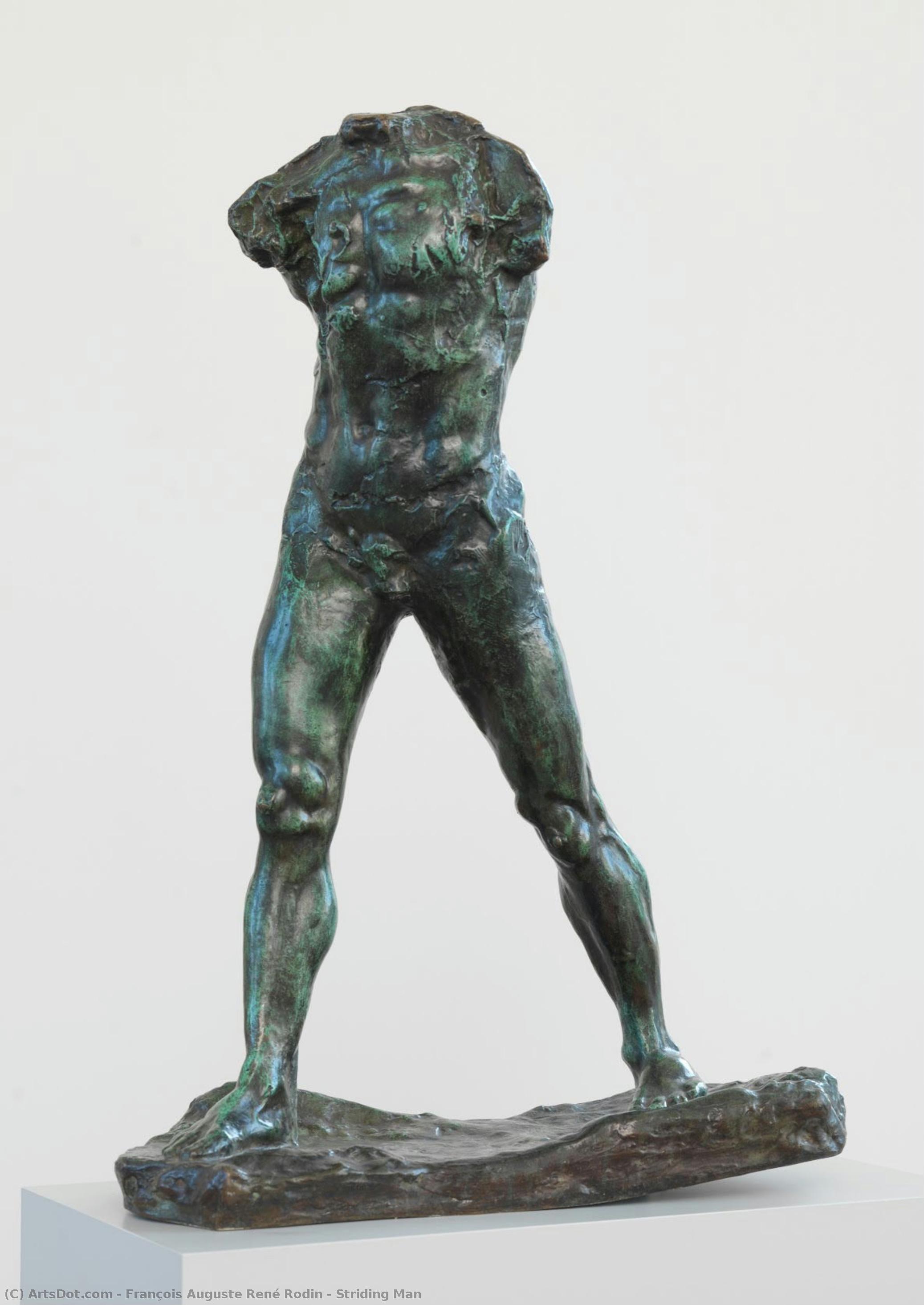
幻灯片播放Striding Man
 Sculpture Bronze
- Other
- Contemporary Realism
 1900
1900 9.0 x 27.0 cm
 卡尔斯鲁厄州立美术馆
 展开详情
展开详情




































从与原作比例一致的预设尺寸中进行选择。

您可以输入自定义尺寸,以适配特定的画框或空间。如果所选尺寸与原图比例不符,我们将通过裁剪作品或添加手绘元素来扩展画面。数字样稿将在制作开始前发送给您确认。
请注意,屏幕预览无法准确反映实际的裁剪或扩展效果,只有样稿才能真实呈现最终的构图。
虽然我们提供定制尺寸服务,但为了保留原作比例,建议您从预设列表中选择尺寸。
下单后,OriginalUniqueArt.com 团队将通过电子邮件联系客户获取具体要求,并提供效果预览图。


 玻璃选项仅适用于110厘米以下的尺寸。

Striding Man
复制材质
复制品尺寸
-


最终总价
$ 300
作品详情
Striding Man: A Testament to Human Resilience
The sculpture "Striding Man," created by François Auguste René Rodin in 1900, stands as an enduring emblem of human determination and contemplation—a cornerstone of modern sculptural expression. Crafted from bronze, a material chosen for its permanence and ability to capture subtle nuances of form, the piece embodies Rodin’s signature blend of realism and emotional depth, reflecting his profound engagement with the complexities of the human psyche. Its placement within the Musée Rodin in Paris underscores its significance as one of the artist's most celebrated works, attracting visitors from across the globe who seek to connect with the spirit of artistic innovation.A Study in Dynamic Form
Rodin’s meticulous approach to modeling—a technique honed through years of apprenticeship—is evident in every curve and contour of “Striding Man.” The statue depicts a male figure caught mid-movement, arms outstretched as if striving upwards, conveying an impression of restless energy and aspiration. This dynamic pose contrasts sharply with the stillness inherent in sculpture, demonstrating Rodin’s mastery of capturing fleeting gestures and embodying psychological states. Detailed plaster studies were undertaken to dissect the musculature of the torso and legs, ensuring anatomical accuracy while simultaneously channeling raw emotion into the sculpted form. The sculptor skillfully utilized negative space—the voids between muscle groups—to heighten visual impact and emphasize the figure's physicality.The Palette of Aged Bronze: Texture and Symbolism
The bronze surface possesses a distinctive patina – a greenish hue resulting from oxidation over time – which lends an air of solemn grandeur to the sculpture. This coloration isn’t merely aesthetic; it symbolizes the passage of time and the enduring legacy of artistic endeavor. The rough, uneven texture mirrors the casting process itself, highlighting the materiality of the artwork and grounding it in the tangible realities of craftsmanship. Lines define the musculature of the figure, creating a sense of movement and strength—a visual representation of resilience and unwavering resolve. Rodin’s deliberate choice of material speaks to his belief that sculpture should communicate not only form but also feeling, mirroring the human experience itself.Historical Context: Impressionism's Legacy
“Striding Man” emerged during the twilight years of Impressionism, a movement that championed capturing fleeting moments of sensory experience and prioritizing subjective perception over objective representation. While Rodin’s style diverges from Impressionistic ideals—favoring sculptural form rather than painterly brushstrokes—he nonetheless absorbed influences from this influential artistic tradition. The pursuit of emotional truth—a hallmark of both Impressionism and Rodin's oeuvre—reflects a broader cultural preoccupation with exploring the inner life and confronting existential questions. This sculpture serves as a powerful reminder that art transcends stylistic conventions, communicating universal themes of human struggle and aspiration across generations.Emotional Resonance: Contemplation and Resolve
Ultimately, “Striding Man” invites viewers to contemplate the nature of perseverance—the unwavering commitment to overcoming obstacles and striving towards one's goals. The upward gaze of the figure embodies hope and ambition, while the outstretched arms symbolize a yearning for transcendence. Rodin’s masterful manipulation of form and texture achieves an extraordinary feat: conveying profound psychological depth through purely visual means. It remains a testament to the enduring power of sculpture to inspire contemplation and communicate timeless truths about the human condition—a masterpiece that continues to captivate audiences worldwide.艺术家简介
雕塑之魂:奥古斯特·罗丹的一生
弗朗索瓦·奥古斯特·雷内·罗丹,一个与现代雕塑同义的名字,从19世纪的法国崛起成为一股革命力量。 1840年11月12日出生于巴黎的一个普通家庭,罗丹年轻时的道路并非注定要走向艺术辉煌。 他最初努力进入著名的École des Beaux-Arts,三次被拒绝后,最终通过作为装饰石匠的实际培训找到了立足点。 然而,这段早期的经历证明是无价之宝,磨练了他的技术技能并培养了他对形式和材料的深刻理解。 这是一段安静学徒期,为他后来给雕塑世界带来的巨大变革做好了必要的准备。 他未来的创新的种子并非播撒在学术殿堂中,而是在石头和粘土的切切实实现实中生根发芽。 一次深重的个人丧失——他的妹妹玛丽的去世——深深地影响了他,导致他短暂地沉思宗教生活,然后全身心投入艺术创作。 这种情感深度将成为他作品的一个决定性特征,赋予它罕见的人类品质。打破传统:石头的全新语言
罗丹的艺术之旅以有意识地背离他那个时代的盛行学术标准为标志。 虽然接受过古典训练,但他拒绝了支配雕塑的理想化形式和叙事僵化。 相反,他试图捕捉人类情感的转瞬变化、思想的重量以及内心生活的复杂性。 他的早期作品,如《青铜时代》(1877年),最初因其现实主义和缺乏神话或寓言主题而引起争议。评论家们发现他的雕塑过于自然主义,缺乏雕塑所期望的光滑完美。 然而,罗丹坚持不懈,受到他对艺术愿景坚定不移的信念的驱使。 他开始探索碎片化的形式、粗糙的表面和动态的构图,以传达一种运动感和心理强度。 这种创新的方法挑战了传统的美学观念,为雕塑表达的新时代铺平了道路。 他在粘土中塑造复杂、动荡表面的能力无与伦比,使他能够以非凡的敏感性捕捉光影的游戏。标志性的形态:《思想者》、《吻》及其他
罗丹的遗产通过一系列继续引起世界各地观众共鸣的标志性雕塑而得以巩固。《思想者》(1880-1882年),最初构思为《地狱之门》的一部分,成为哲学沉思的象征,其强大的形态体现了人类思想和存在主义问题的重量。《吻》(1886-1898年),对热烈爱情的赞美,以其感性之美和情感亲密而闻名。 《加莱市民》(1884-1895年),是对勇气和牺牲的纪念碑,证明了罗丹通过雕塑形式传达深刻人类戏剧的能力。 这些作品不仅仅是身体形态的再现;它们是对人类状况的探索,蕴含着心理深度和情感共鸣。 他不回避描绘不完美或苦难,认识到这些品质是人类体验不可分割的一部分。 他的雕塑经常采用未完成的表面,故意留下艺术家的痕迹作为对创作过程本身的见证。持久的影响:罗丹在艺术史上的地位
到了20世纪初,罗丹获得了国际声誉,可以说是他那个时代最受赞誉的雕塑家。 他的作品深刻影响了整整一代艺术家,激励他们摆脱传统束缚并探索新的艺术表达途径。 他被广泛认为是向现代雕塑过渡的关键人物。 他对情感强度、心理深度和创新形式使用的强调为表现主义和立体主义等运动奠定了基础。 今天,罗丹的雕塑可以在世界各地的博物馆和收藏中找到,最著名的是巴黎罗丹博物馆,这是一个专门展示他毕生作品的空间。 他的影响超越了雕塑,影响了绘画、文学甚至电影。进一步探索:博物馆及主要作品
- 巴黎罗丹博物馆: 对于任何有兴趣体验罗丹艺术愿景全貌的人来说,必游之地。
- 华盛顿特区国家美术馆: 收藏了大量罗丹的作品,深入了解了他的创作过程。
- 斯坦福大学坎托艺术中心: 展示了著名的作品,如阿尔贝·埃内斯特·卡里耶-贝尔吕斯的胸像。
- 值得探索的主要雕塑:
- 《思想者》——对沉思和智慧的普遍象征。
- 《吻》——对爱与激情的标志性表现。
- 《加莱市民》——对牺牲和勇气的有力描绘。
- 《施洗约翰》- 展示了罗丹通过形态传达强烈情感的能力。
- 让·德·菲耶内斯头部,带着手 - 对肖像的亲密研究,展示了他对细节的掌握。

罗丹 (Luó Dān)
1840 - 1917 , 法国
艺术家简介
- Artistic Movement Or Style: 现代雕塑
- Artists Or Movements Influenced By This Artist: 现代雕塑
- Date Of Birth: 1840年11月12日
- Date Of Death: 1917年11月17日
- Full Name: 弗朗索瓦·奥古斯特·雷内·罗丹
- Nationality: 法国国籍
- Notable Artworks (List Of Titles):
- 思想者
- 吻
- 加莱市民
- Place Of Birth (City And Country): 法国巴黎
相关文章

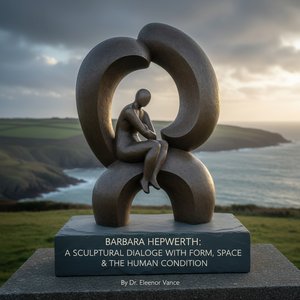
Barbara Hepworth: A Sculptural Dialogue with Form, Space & the Human Condition
Explore the profound world of Barbara Hepworth's sculpture. Discover her artistic evolution, iconic forms, and lasting influence on modern art. A guide for collectors & enthusiasts.

Umberto Boccioni: Dynamism, Futurist Ideals & the Evolution of Modern Sculpture
Explore the revolutionary art of Umberto Boccioni, a leading figure of Futurism. Discover his iconic sculptures & paintings, and delve into the movement's impact on modern art history with OriginalUniqueArt.
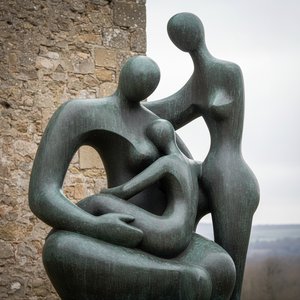
Henry Moore: Sculpting Modernity – Form, Emotion & the Human Condition
Explore the revolutionary sculptures of Henry Moore – abstract forms, reclining figures & powerful expressions of the human condition. Discover his legacy & artistic process with OriginalUniqueArt.

François-Auguste Rodin: Revolutionizing Sculpture Through Emotion & Modernity
Explore the revolutionary world of Auguste Rodin, the founder of modern sculpture. Discover his iconic works like 'The Kiss' & 'The Thinker,' innovative techniques, and lasting impact on art history. A deep dive into emotion and realism.

