

 效果预览
效果预览
 分享
分享 分享
分享
 详情
详情

 下载
下载
 相似作品
相似作品 X射线
X射线 幻灯片播放
幻灯片播放 统计数据
统计数据L'ASSOMPTION DE LA VIERGE


 展开详情
展开详情
艺术微喷/版画
博物馆级艺术微喷或帆布版画,制作高效,并提供多种饰面选择。 ( 购买手绘画作 切换至数字图像销售渠道)




P118B $10

P118H $10

P118W $10

P438Z $10

P508JH $12

P508YH $12

P805H $10

P805Z $10

P919BZ $10

P919G $10

P919XJ $10

P959ZH $10

P968JZ $12

W106C $8

W218G $10

W218JH $8

W218Y $10

W307PJ $10

W316G $10

W316PJ $8

W316Y $10

W398PJ $8

W4111J $10

W500HY $15

W500JH $15

W692G $12

W849H $8

W940BG $15

W953PJ $8




从与原作比例一致的预设尺寸中进行选择。

您可以输入自定义尺寸,以适配特定的画框或空间。如果您选择的尺寸与原图比例不符,我们将对作品进行裁剪,或通过镜像填充/纯色填充边缘的方式来扩展图像。在开始制作之前,我们会向您发送一份数字效果图供您确认。
请注意,屏幕上的预览并不能反映实际的裁剪或扩展效果。只有效果图才能准确展示最终的构图。
虽然我们提供定制尺寸,但为了保持原图比例,我们建议您从预设列表中选择尺寸。


 玻璃选项仅适用于110厘米以下的尺寸。

L'ASSOMPTION DE LA VIERGE
艺术微喷/版画
复制品尺寸
-


最终总价
$ 80
A Moment of Divine Ascent: François-André Vincent’s “L’Assomption de la Vierge”
François-André Vincent's "L’Assomption de la Vierge," painted in 1771, is more than just a religious depiction; it’s a masterful distillation of Neoclassical ideals and a poignant exploration of faith, aspiration, and the sublime. This monumental canvas, currently residing within the hallowed halls of the Louvre Museum, transports the viewer to a moment of profound spiritual significance – the Virgin Mary's ascension into heaven. Vincent, a pivotal figure bridging the gap between the grandeur of antiquity and the burgeoning artistic sensibilities of the late 18th century, crafted an image that resonates with both intellectual rigor and emotional depth.
The scene unfolds with dramatic precision. The Virgin, radiant in flowing robes of dove-grey and shimmering gold, is depicted mid-flight, her face a serene expression of acceptance and grace. Angels, rendered with meticulous detail and poised in dynamic postures, surround her, their wings outstretched as they guide her towards the celestial realm. Below, a throng of onlookers – men and women alike – gaze upwards in awe and reverence, their faces reflecting a mixture of wonder and humility. The composition is vertically oriented, emphasizing the upward trajectory of Mary’s ascent, creating a powerful sense of movement and drawing the eye inexorably toward the heavens.
A Symphony of Color and Light
Vincent's palette is dominated by a harmonious blend of soft blues, pristine whites, and rich golds – colors that evoke both the ethereal beauty of the divine and the earthly realm from which Mary departs. The use of atmospheric perspective subtly deepens the space, with distant figures appearing paler and less distinct, creating an illusion of vastness and emphasizing the grandeur of the celestial event. The artist skillfully employs chiaroscuro—the dramatic contrast between light and shadow—to sculpt the forms and imbue the scene with a sense of theatricality. The strong source of light emanating from above not only illuminates Mary and the angels but also casts long, evocative shadows on the figures below, adding depth and drama to the composition.
Neoclassical Precision and Artistic Influence
“L’Assomption” is a quintessential example of Neoclassicism, reflecting Vincent's training under Joseph-Marie Vien at the École Royale des Élèves Protégés. The painting embodies the movement’s core tenets: an emphasis on idealized forms, balanced composition, and a reverence for classical antiquity. Vincent meticulously studied Roman sculpture and architecture, incorporating elements of proportion, harmony, and clarity into his work. The drapery of Mary's robes, for instance, is rendered with exquisite detail, mirroring the flowing folds of classical garments. Furthermore, Vincent’s debt to Raphael is evident in the idealized beauty of the figures and the harmonious balance of the composition – a deliberate homage to the Renaissance master.
Symbolism and Emotional Resonance
Beyond its formal qualities, “L’Assomption” is rich in symbolic meaning. The ascent into heaven represents not only Mary's physical departure but also her spiritual triumph and eternal glory. The expressions on the faces of the onlookers convey a profound sense of faith, hope, and reverence – they are witnesses to a miracle, a moment that transcends the earthly realm. The painting’s emotional impact is undeniable; it evokes a feeling of awe, wonder, and perhaps even a touch of melancholy as we contemplate the mysteries of faith and the promise of salvation. It's a powerful reminder of humanity's yearning for something beyond the material world.
A Legacy in Oil on Canvas
Vincent’s masterful technique—primarily oil paint on canvas—allowed him to achieve remarkable luminosity and textural richness. The visible brushstrokes, particularly in areas depicting shadows and drapery, contribute to a sense of immediacy and authenticity. The smooth surfaces of the skin tones and the luminous quality of the robes are achieved through careful layering of glazes and meticulous attention to detail. “L’Assomption de la Vierge” stands as a testament to Vincent's artistic skill and his profound understanding of both classical ideals and the power of visual storytelling, continuing to captivate viewers centuries after its creation.
艺术家简介
弗朗索瓦-安德烈·文森的新古典主义远见
在十八世纪末法国那充满活力又动荡不安的时代背景下,很少有艺术家能像弗朗索瓦-安德烈·文森那样,如此大师般地捕捉到从贵族式的优雅向革命式庄严过渡的瞬间。1746年,他出生于巴黎一个艺术底蕴深厚的家族——他的父亲弗朗索瓦-埃利·文赛是一位享誉盛名的微型画大师——这注定了他的一生将与画笔和画布紧密相连。在德高望重的约瑟夫-玛丽·维安指导下的早期训练,为他奠定了严谨的学院派传统基础;然而,真正让他最终在艺术史上占据一席之地,是他那种天生的、能够跨越洛可可式精致优雅与新兴新古典主义纪律之间鸿沟的能力。
文森的艺术灵魂因前往罗马的那场变革之旅而得到了深刻的塑造。凭借极具震撼力的作品《日耳曼尼库斯平截骚乱》,他荣获了享有盛誉的罗马奖,从而获得了前所未有的机会去接触古典时代永恒的瑰宝。在历史悠久的曼奇尼宫居住与创作期间,文森沉浸于对拉斐尔的研究以及对古代大师雕塑般精准度的探索之中。这段时期不仅是一场学术上的磨炼,更是一次精神上的觉醒;它使他能够为自己的构图注入一种宏伟的尊严感与和谐的平衡感,并使其成为了他的艺术标志。尽管他从古典过去中汲取了深厚的灵感,但他始终敏锐地感知着周围鲜活的世界,常常将历史的壮丽与当代生活的微妙细节完美融合。
肖像画与历史叙事的宗师
文森作品的广度证明了他作为一名叙事者的多才多艺。他既擅长捕捉个体细腻的心理深度,也能描绘历史冲突中波澜壮阔的混乱场面。在他的肖像画中,人们可以看到他通过平滑的笔触和微妙的色调过渡来传达人物性格的卓越能力。他对同时代人的肖像创作——包括传奇人物让-奥诺雷·弗拉戈纳尔——反映出一种特定的动态美与优雅感,暗示着他与那个时代风格流动性之间的深层联系。这些作品如同窥视前革命时期法国社会结构的窗口,捕捉到了那个时代最显赫人物的风度与神采。
然而,正是在历史画领域,文森真正展现了他对新古典主义语汇的掌控力。他能够将复杂的历史叙事转化为极具视觉冲击力的场景,这使他得以参与到当时最宏大的艺术对话之中。一个引人注目的例子是《金字塔战役》,这是一幅令人震撼的布面油画,纪念了拿破定于1798年的决定性胜利。在这件作品中,文森摒弃了静态的构图,转而利用松散的笔触和大地色调,去唤起古埃及纪念碑背景下战场上的尘埃、运动感以及大气压迫感。这种将历史的史诗规模与近乎直觉的氛围感相结合的能力,使他从那些风格更为僵化的同代艺术家中脱颖而出。
传承与历史意义
在整个职业生涯中,文森在法国艺术等级制度中占据着独特的地位。他常被视为雅克-路易·大卫的一个成熟且高雅的对手,他提供了一种风格上的另类选择——这种选择或许没那么教条,而是更加契合光影与生命的微妙交织。当大卫向着更冷峻、更简朴的新古典主义推进时,文森仍保持着与前辈所继承的优雅与流动性的联系,在旧世界与新世界之间架起了一座桥梁。他在艺术制度化方面的贡献同样意义重大,作为美术学院的创始人之一,他帮助塑造了后世几代法国画家的教学标准。
弗朗索瓦-安德烈·文森持久的遗产在于他调和矛盾的能力:古典与现代、宏伟与亲密、纪律与表现。他的作品至今仍是理解法国艺术在最剧烈的变革时期如何演进的重要基石。通过精湛的技法和深刻的历史洞察力,文森不仅仅是在记录历史;他赋予了历史生命,确保了新古典主义时代的精神在革命硝烟散去后,依然能够长久地激荡人心。

弗朗索瓦-安德烈·文森
1746 - 1816 , 法国
艺术家简介
- Artistic Movement Or Style: 新古典主义
- Artists Or Movements Influenced By This Artist: ['雅克-路易-大卫']
- Artists Who Influenced This Artist:
- 约瑟夫-玛丽-文
- 让-奥诺雷-弗拉戈纳尔
- 拉斐尔
- Date Of Birth: 1746年12月30日
- Date Of Death: 1816年8月4日
- Full Name: 弗朗索瓦·安德烈·文
- Nationality: 法国
- Notable Artworks:
- 亨利四世与苏利在枫丹白露
- 皮埃尔·卢梭肖像
- 犁地课
- Place Of Birth: 法国巴黎
相关文章
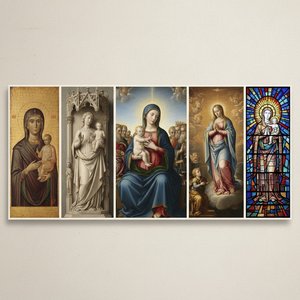
Divine Grace: A Journey Through the Most Iconic Depictions of the Virgin Mary in Art History
Embark on a profound journey through art history with our exploration of the most iconic depictions of the Virgin Mary. Discover the divine grace, symbolism, and masterful techniques found in Renaissance masterpieces and sacred iconography.
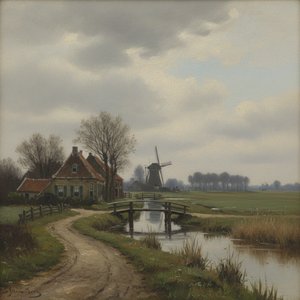
Jacob Henricus Maris: A Master of Dutch Atmospheric Realism & the Intimate Landscape
Explore the captivating world of Jacob Henricus Maris, a leading figure of the Dutch Hague School. Discover his atmospheric landscapes, signature brushstrokes & lasting influence on 19th-century art. Learn more at OriginalUniqueArt.
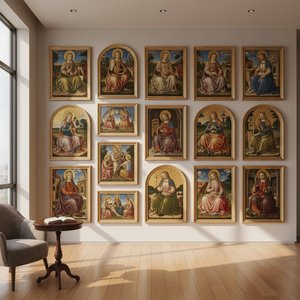
佛罗伦萨文艺复兴大师:安杰利科25幅传世名作赏析 | OriginalUniqueArt
探索佛罗伦萨文艺复兴大师安杰利科的25幅传世名作!深入了解其宗教绘画、壁画艺术与天使般的风格。OriginalUniqueArt.com提供高清复制品及精选装饰画,为您的室内空间增添永恒之美。立即在线探索完整系列!
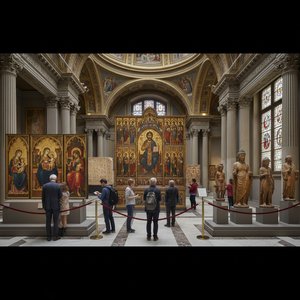
Sacred Narratives Embodied: A Comprehensive Exploration of Religious Iconography in Art History
Explore the rich history of religious iconography in art! Discover symbolism, movements & masterpieces from Byzantine to Renaissance periods. Expert insights for collectors and enthusiasts at OriginalUniqueArt.

Divine Grace: An Art Historian's Journey Through Iconic Masterpieces of the Virgin Mary
Explore the profound beauty of Marian iconography through an art historian's lens. Discover iconic masterpieces by Raphael and Renaissance masters, celebrating the divine grace and timeless elegance of the Virgin Mary in classical fine art.