
 分享
分享 分享
分享
 详情
详情 指南
指南

 下载作品
下载作品
 相似作品
相似作品 幻灯片播放
幻灯片播放 Q&A
Q&A 统计数据
统计数据Victory


 展开全文
展开全文
艺术微喷/版画
博物馆级艺术微喷或帆布版画,制作高效,并提供多种饰面选择。 ( 订购纯手工绘制画作 切换至数字图像销售渠道)




































您可以从与原作比例一致的预设尺寸中进行选择。

请输入您所需的宽度和高度,以适配您的画框或墙面。由于印刷品只能进行裁剪,无法超出原图尺寸,因此若比例不一致,画面的一部分将会被裁切。在正式印刷之前,我们会为您发送一份数字效果图供您确认。本页面显示的图片并非最终裁剪后的效果——只有效果图才能展示真实的裁剪情况。


 玻璃选项仅适用于110厘米以下的尺寸。

Victory
艺术微喷/版画
复刻品尺寸
-


最终结算价
¥ 538
The Poise of Eternal Triumph
Gazing upon this monumental marble sculpture, one is immediately enveloped by an aura of serene, enduring victory. The figure, rendered with breathtaking mastery, embodies not merely a physical triumph, but the quiet, profound victory over sorrow or time itself. Carved in what appears to be luminous white marble, the piece commands attention through its sheer scale and the exquisite handling of the material. The angel stands poised in a graceful contrapposto, a subtle curve running through the body that lends an unexpected dynamism to the otherwise static permanence of stone. It is a study in controlled emotion, suggesting a moment suspended between struggle and ultimate peace.
A Dialogue Between Classicism and Romantic Spirit
Stylistically, this work sits at a fascinating intersection—it possesses the idealized anatomy and formal rigor characteristic of Neoclassicism, yet it breathes with the emotional depth and dramatic sweep associated with Romantic Idealism. This duality is perfectly captured by the artist, Francisque Joseph Duret, whose career spanned the height of these artistic currents in 19th-century France. The intricate drapery cascading around the limbs is a masterclass in texture; each fold seems weighted with narrative, catching the light and suggesting movement even where none exists. The background ornamentation, featuring stylized foliage and architectural suggestions, frames the central figure like a sacred niche, elevating the angel from mere sculpture to an object of veneration.
Symbolism Woven in Stone
The symbolism inherent in this piece is rich and deeply resonant, suggesting themes of guardianship, remembrance, and divine guidance. The staff held aloft, topped with its perfect sphere, acts as a potent emblem—a symbol of authority tempered by grace. In the context of funerary or commemorative art, such an angel serves as a timeless conduit between worlds; it whispers promises of passage and eternal rest. The monochromatic presentation strips away the distraction of color, forcing the viewer to confront the pure form, the enduring spirit captured within the cool, hard embrace of marble.
Craftsmanship for the Modern Sanctuary
For those who seek to infuse a space with history, gravitas, and unparalleled artistry, this reproduction offers an extraordinary opportunity. The technical skill displayed—the delicate carving required to achieve such smooth transitions between taut skin and voluminous cloth—speaks to generations of artisanal excellence. Whether placed in a grand foyer, a contemplative study, or as the centerpiece of a memorial space, this sculpture does more than decorate; it elevates the atmosphere. It invites contemplation, demanding that the viewer pause, breathe deeply, and acknowledge the enduring power of beauty and spirit.
常见问题与解答
“Victory”是如何体现 Francisque Joseph Duret 的创作主题与艺术风格的?
"Victory" 是 Francisque Joseph Duret Neoclassical 时期的代表作,其创作主题涵盖了 classical ideals, roman influence, funerary remembrance, mourning, religious guardianship, divine grace, monumental civic art, versailles。
建议为 Francisque Joseph Duret 的《Victory》 选择哪种复刻尺寸?
Francisque Joseph Duret 的《Victory》 的建议打印尺寸为 Large。
"Victory" 是否属于公有领域作品?
Francisque Joseph Duret 的《Victory》 的版权说明:该作品属于 属于公有领域 —— 其版权已过期。这决定了是否可以自由进行图像复制。
艺术家简介
The Sculptural Legacy of Francisque Joseph Duret
In the heart of nineteenth-century Paris, a period defined by the tension between classical restraint and the burgeoning passion of Romanticism, the sculptor Francisque Joseph Duret emerged as a vital voice. Born in 1804 into a lineage of artistic excellence, Duret was more than just a practitioner of his craft; he was a bridge between eras. As the son and pupil of the esteemed François-Joseph Duret, his very existence was intertwined with the marble and bronze traditions of France. While his early inclinations toward theatrical studies suggested a fascination with drama and performance, it was the tactile reality of sculpture that ultimately captured his soul. This early exposure to the performing arts would later manifest in his ability to imbue static figures with an almost palpable sense of movement and human vitality.
Duret’s formal education at the Conservatoire under the guidance of François-Joseph Bosio provided him with a rigorous foundation in Neoclassical principles. From Bosio, he inherited a profound respect for anatomical precision and the serene beauty of antiquity. However, Duret possessed a unique sensitivity that allowed him to transcend mere imitation of the past. The prestigious Prix de Rome, which he secured in 1823, served as a transformative milestone, transporting him to Italy. It was amidst the sun-drenched landscapes and ancient ruins of the Italian peninsula that his style began to mature, blending the disciplined lines of Neoclassicism with the emotive, swirling energy characteristic of the Romantic movement.
Mastery of Form and Emotion
The brilliance of Duret’s work lies in his capacity to capture the fleeting essence of human emotion within the permanence of stone and metal. He did not merely sculpt bodies; he sculpted stories. One of his most celebrated achievements, the Neapolitan Fisherman Dancing the Tarantella, showcased this extraordinary talent. Exhibited at the Louvre in 1833, this bronze masterpiece broke away from the stoic stillness of traditional Neoclassicism to embrace a rhythmic, kinetic energy. The sculpture captures the feverish intensity of the folk dance, demonstrating Duret's ability to translate the pulse of life into a frozen moment of artistic triumph.
His technical repertoire was vast, ranging from intimate studies of human behavior to monumental works destined for the grandest stages of France. His contributions to the architectural landscape of Versailles further cemented his status as a sculptor of national importance. In these larger commissions, Duret utilized scale and grandeur to evoke a sense of historical continuity, ensuring that his work resonated with the majesty required by such iconic settings. His ability to observe and replicate the subtle nuances of human gesture—a skill honed through his early interest in theater—allowed him to create figures that felt deeply relatable yet elevated by an idealized grace.
Historical Significance and Artistic Influence
The historical importance of Francisque Joseph Duret extends far beyond the physical presence of his statues. He stood at a pivotal crossroads in art history, navigating the transition from the rigid hierarchies of the Academy to the more expressive, individualistic spirit of the mid-century. By integrating the meticulous detail of the Neoclassical tradition with the emotional depth of Romanticism, he helped pave the way for future generations of sculptors to explore more psychological and dynamic subject matter.
As a figure within the French artistic establishment, his influence was felt through both his personal output and his role as a standard-bearer for excellence. His life and work represent a period where art sought to reconcile the eternal ideals of beauty with the lived experience of human passion. Today, when we look upon the works of Duret, we see more than just historical artifacts; we witness the enduring struggle and ultimate harmony between the disciplined mind and the wandering, emotive heart.

Francisque Joseph Duret
1804 - 1865 , France
艺术家简介
- Full Name: Francisque Joseph Duret
- Nationality: French
- Date Of Birth: 1804
- Date Of Death: 1865
- Place Of Birth: Paris, France
- Notable Artworks:
- Neapolitan Fisherman Dancing the Tarantella
- Grape-picker Ex
- Chactas Meditating on Atala's Tomb
- Artistic Movement Or Style: Neoclassical & Romantic Sculpture
- Artists Who Influenced This Artist: ['François Joseph Bosio']
- Artists Or Movements Influenced By This Artist: ['Louis Léon Cugnot']
相关文章

Timeless Elegance: A Complete Guide to the Sublime Beauty and Artistry of Marble Sculpture
Discover the sublime beauty of marble art through an expert exploration of Renaissance and Neoclassical masterpieces. From the delicate textures of Carpeaux to the grandeur of Sansovino, immerse yourself in a guide to timeless elegance and sculptural perfection.

The Enduring Allure of Marble in Art History: From Classical Sculpture to Modern Abstraction
Explore the captivating history of marble sculpture from ancient Greece to modern art. Discover renowned artists like Canova & Michelangelo, carving techniques, and investment insights at OriginalUniqueArt.

Bronze Age to Modern Masters: 10 Sculptures That Redefined Art | OriginalUniqueArt
Journey through art history with 10 legendary bronze sculptures – from Michelangelo's David to Rodin’s Thinker. Explore the stories, techniques & timeless beauty of these masterpieces. Find museum-quality reproductions & elevate your home decor on OriginalUniqueArt.com.
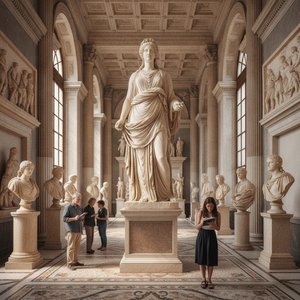
Timeless Grandeur: Exploring the Eternal Beauty and Art-Historical Legacy of Marble Sculpture
Explore the profound legacy of marble sculpture, from Classical antiquity to Neoclassical mastery. A definitive guide for elite collectors and designers seeking to integrate the luminous, eternal beauty of stone into sophisticated, high-end architectural spaces.

Bronze Sculptures That Defined Art History | OriginalUniqueArt
Journey through art history with our Top 10 bronze sculptures! Explore masterpieces by Rodin, Michelangelo & more. Discover stories behind iconic statues and find museum-quality reproductions for your home decor at OriginalUniqueArt.com.