效果预览
效果预览
 分享
分享 分享
分享
 详情
详情

 下载
下载
 相似作品
相似作品 X射线
X射线 幻灯片播放
幻灯片播放 统计数据
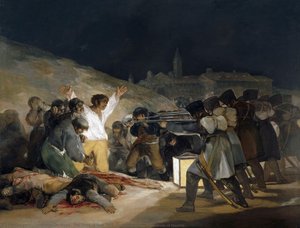
统计数据War scene
 Acrylic On Canvas
- WallArt
- Romanticism
 1812
1812 15.0 x 19.0 cm
 展开详情
展开详情
艺术微喷/版画
博物馆级艺术微喷或帆布版画,制作高效,并提供多种饰面选择。 ( 购买手绘画作 切换至数字图像销售渠道)




P118B $10

P118H $10

P118W $10

P438Z $10

P508JH $12

P508YH $12

P805H $10

P805Z $10

P919BZ $10

P919G $10

P919XJ $10

P959ZH $10

P968JZ $12

W106C $8

W218G $10

W218JH $8

W218Y $10

W307PJ $10

W316G $10

W316PJ $8

W316Y $10

W398PJ $8

W4111J $10

W500HY $15

W500JH $15

W692G $12

W849H $8

W940BG $15

W953PJ $8




从与原作比例一致的预设尺寸中进行选择。

您可以输入自定义尺寸,以适配特定的画框或空间。如果您选择的尺寸与原图比例不符,我们将对作品进行裁剪,或通过镜像填充/纯色填充边缘的方式来扩展图像。在开始制作之前,我们会向您发送一份数字效果图供您确认。
请注意,屏幕上的预览并不能反映实际的裁剪或扩展效果。只有效果图才能准确展示最终的构图。
虽然我们提供定制尺寸,但为了保持原图比例,我们建议您从预设列表中选择尺寸。


 玻璃选项仅适用于110厘米以下的尺寸。

War scene
艺术微喷/版画
复制品尺寸
-


最终总价
$ 80
A Glimpse into Turmoil: Francisco Goya’s ‘War Scene’ (1812)
“War Scene,” created in 1812 by the Spanish master Francisco Goya, is a powerfully evocative ink painting that encapsulates the brutality and chaos of conflict. Measuring just 15 x 19 cm, this small-scale work punches far above its weight, delivering an intensely dramatic experience reminiscent of Goya’s larger, more famous depictions of war – such as “The Third of May 1808” and works from *The Disasters of War* series.Style & Technique: Echoes of the Spanish Golden Age
Goya's style in this piece is deeply rooted in the traditions of the Spanish Golden Age, particularly recalling the expressive intensity of artists like El Greco and the later dramatic realism of his own early influences such as Goya. The work eschews precise detail for a more gestural approach. Loose lines and amorphous shapes define figures and forms, prioritizing emotional impact over strict representation. The technique appears to involve layering and scraping ink (possibly oil-based) on a textured surface – likely paper or board – creating a rich, tactile quality and a sense of raw energy. The limited palette, dominated by dark browns and blacks, amplifies the painting’s somber mood.Subject & Composition: A Moment Frozen in Conflict
The scene depicts a tightly cropped gathering of figures around a central fire. While the exact context remains ambiguous – is it a battlefield encampment, a ritualistic gathering, or something else entirely? – the atmosphere is undeniably charged with tension and foreboding. The diagonal thrust created by the arrangement of figures and flames draws the viewer’s eye directly into the heart of the action. The flattened perspective further intensifies this immediacy, eliminating any sense of spatial distance and immersing us in the scene's emotional core.Historical Context: Spain in Crisis
Created during a period of immense upheaval for Spain – the Peninsular War (part of the Napoleonic Wars) was raging – “War Scene” reflects the widespread suffering and political instability of the time. Goya, having witnessed firsthand the horrors of war, increasingly turned his artistic attention to its devastating consequences. This work, though smaller in scale than some of his more famous war-themed paintings, shares their unflinching honesty and profound sense of human tragedy. It’s important to note that 1812 was a particularly turbulent year for Spain with the Cortes de Cádiz drafting a new constitution amidst ongoing conflict.Symbolism & Emotional Impact: Darkness and Resilience
The fire itself is a potent symbol, representing both warmth and destruction, hope and despair. The figures, shrouded in shadow, embody vulnerability yet also hint at resilience. The overall mood is one of urgency, uncertainty, and impending doom. Goya masterfully conveys the psychological toll of war – the fear, desperation, and loss that permeate every aspect of life during times of conflict. This isn’t a glorification of battle; it's an unflinching portrayal of its human cost.For Collectors & Designers
- “War Scene” offers a compelling example of Goya’s expressive power and his ability to convey complex emotions through minimalist means.
- Its dark, dramatic palette and dynamic composition make it a striking focal point for any collection.
- The work's intimate scale lends itself well to smaller spaces, while its powerful imagery ensures it will command attention.
- For interior designers, this piece adds a touch of historical gravitas and artistic sophistication to a variety of settings – from modern lofts to traditional libraries.
艺术家简介
弗朗西斯科·戈雅:西班牙灵魂的黑暗与光芒
弗朗西斯科·何塞·德·戈雅·卢西延特斯(Francisco José de Goya y Lucientes),一个响彻艺术史的回声,他既是时代的产物——深植于古典大师的传统之中——又是先驱者,预示着现代艺术中潜藏的焦虑与表达自由。1746 年出生于西班牙简朴村庄富恩特多索斯(Fuendetodos),戈雅从渴望成为地方艺术家到宫廷画家,最终成长为人类苦难和世俗衰败的记录者,他的旅程见证了他非凡的天赋以及他所处动荡的时代。早期的训练始于十四岁时在何塞·卢赞·马丁内斯(José Luzán y Martínez)门下,奠定了传统技巧的基础,之后他移居马德里,并在西班牙宫廷中占据主导地位的安东·拉斐尔·孟斯(Anton Raphael Mengs)那里磨练了他的技能。这段最初的时期在他体内培养了对形式和构成的掌握,这在早期的委托作品——为皇家挂毯设计的图案中显而易见——这些图案展示了生动的生活场景,反映了一种受洛可可风格影响但又带有鲜明西班牙现实主义的审美趣味。与皇室圈子中的另一位画家巴耶乌(Bayeu)的姐姐何塞法·巴耶乌(Josefa Bayeu)结婚,进一步巩固了他在这个艺术机构中的地位。这些早期的作品虽然迷人且技艺精湛,却几乎没有预示他后来作品中将定义的深刻情感深度和令人不安的黑暗。从宫廷优雅到内心动荡:崛起与转变
戈雅在西班牙宫廷中的崛起是稳健而持续的。1786 年,他成为皇家御用画家,从而获得了一系列来自贵族和皇室的肖像委托。这些肖像不仅以其技术上的精湛著称——戈雅拥有捕捉肖像的非凡能力,而且还因其深刻的心理洞察力而令人赞叹。他不仅仅是描绘他的画作*看起来*的样子;他揭示了他们的性格、脆弱,甚至隐藏的焦虑。例如,钦洪伯爵夫人(Countess of Chinchón)并非仅仅是一位身着优雅礼服的美丽女性,而是散发着智慧和一丝忧郁的人物。然而,在宫廷成功的表象之下,戈雅的艺术风格正在发生转变。1793 年的一次严重疾病使他永久性失聪,这一事件彻底改变了他对世界的感知,并因此影响了他的艺术。这种折磨将他推入了一个强烈的内省和孤立时期,切断了他曾经享受的社交生活与联系,迫使他转向一个更黑暗、更主观的现实。他的艺术风格的变化是戏剧性的。明亮的色彩和欢快的场景消失了;取而代之的是阴郁的调色板、松散的笔触以及充满情感强度的构图。他开始探索疯狂、暴力和非理性等主题,预示着未来几十年将席卷欧洲的焦虑。黑暗的幻象:卡普里奇、灾难与黑画
这种艺术酝酿的高峰期产生了戈雅最具代表性的作品中的一些。1799 年出版的八十幅版画《卡普里奇》(Los Caprichos)是对西班牙社会的尖锐讽刺——其愚蠢、迷信和道德败坏赤裸裸地呈现,带着毫不留情的机智和辛辣的讽刺。这些图像既怪诞又引人入胜,充满了女巫、怪物和贵族人物的漫画形象,所有这些都以对蚀刻技术的精湛掌握而呈现。但真正巩固了戈雅作为人类苦难无畏记录者的声誉的是 1810 年至 1820 年间创作的《战争灾难》(The Disasters of War)。这些令人心碎的版画描绘了西班牙半岛战争的残酷行径——双方都犯下的暴行、饥荒、绝望以及对西班牙人民造成的彻底破坏。它们不是英雄式的战斗描述;而是其恐怖的赤裸裸的描绘,没有浪漫主义或美化。也许最令人不安的是《黑画》(The Black Paintings),戈雅在 1819 年至 1823 年间直接将十四幅壁画绘制在他房子“聋人别墅”(Quinta del Sordo)的墙壁上。这些作品——包括令人恐惧的萨图尔吞噬其子(Saturn Devouring His Son)和令人毛骨悚然的阿斯莫黛亚(Asmodea)——是对人类心灵最深处黑暗的下沉,以无与伦比的强度表达了绝望、疯狂和存在主义恐惧的主题。它们代表着对传统艺术惯例的彻底背离,预示着抽象艺术的表现力。创新与影响的遗产
1824 年,由于西班牙政治动荡,戈雅寻求在法国波尔多(Bordeaux)流放,并在去世之前继续在那里工作。他生命的最后几年以对版画技术的重新关注为标志,最终形成了《公牛斗士》(La Tauromaquia)系列,探索了斗牛的景象和残酷性。弗朗西斯科·戈雅的遗产是巨大而深远的。他在艺术史上占据着关键地位,连接了古典大师与现代运动之间的桥梁。他的影响可以体现在无数追随者的作品中——从埃杜亚德·马奈(Édouard Manet)和巴勃罗·毕加索(Pablo Picasso)到弗朗西斯·培根(Francis Bacon),他们都受到他表现力的笔触、心理深度以及敢于面对令人不安的真相的意愿所吸引。他挑战了艺术惯例,拥抱创新,并大胆地探索人类经验中更黑暗的方面,留下了作品集,这些作品至今仍能引起观众的共鸣。戈雅并非仅仅在绘画画面;他正将一面镜子举到社会面前,迫使我们面对自身的缺陷和脆弱,提醒我们人类精神的持久力量——以及它的脆弱性。主题与技巧
贯穿戈雅职业生涯的主题有几个反复出现。对人类愚蠢和社会腐败的探索在《卡普里奇》中很突出,而战争的恐怖则在《战争灾难》中被残酷地描绘出来。《黑画》中弥漫着对黑暗、迷信和非理性的痴迷。技术上讲,戈雅是各种媒介的大师。他在肖像画方面表现出色,不仅捕捉到了外貌相似,还捕捉到了心理深度。他的用色随着时间的推移而演变,从他早期作品中的较浅调色板到后期绘画和蚀刻中的阴郁色调。他特别擅长版画技术,利用凹版印刷来创建音阶变化和戏剧效果。- 蚀刻: 戈雅对蚀刻的掌握使他能够创造出复杂的细节和富有表现力的线条。
- 凹版印刷: 这项技术使他能够实现一系列色调和纹理,增强了他作品的情感冲击力。
- 笔触: 他在后期绘画中松散而富有表现力的笔触有助于其即时性和情感强度。

戈雅
1746 - 1828 , 西班牙
艺术家简介
- Artistic Movement Or Style: 浪漫主义
- Artists Or Movements Influenced By This Artist:
- 爱德华·马奈
- 巴勃罗·毕加索
- 弗朗西斯·培根
- Artists Who Influenced This Artist:
- 安东·拉斐尔·孟斯
- 何塞·卢赞·马丁内斯
- Date Of Birth: 1746年3月30日
- Date Of Death: 1828年4月16日
- Full Name: 弗朗西斯科·何塞·德·戈雅·卢西延特斯
- Nationality: 西班牙
- Notable Artworks:
- 《灾变纪事》
- 《洛斯卡普里霍斯》
- 《土耳其人吞噬其子》
- 《裸体玛哈》
- 《衣着玛哈》
- Place Of Birth: 西班牙富恩特多索斯
相关文章

戈雅大师25幅杰作:西班牙灵魂的艺术之旅| OriginalUniqueArt
探索戈雅大师的25幅杰作!深入了解西班牙绘画巨匠Francisco Goya的艺术世界,从洛可可到浪漫主义风格,感受黑加仑时代的情感力量。OriginalUniqueArt.com提供高品质油画复制品和家居装饰灵感。立即在线发现所有名画!

西班牙巴洛克艺术:信仰、戏剧与黄金时代的重塑
深入探索西班牙巴洛克艺术的辉煌时代!从反宗教改革到鲁本斯、维米尔等大师的作品,解读信仰、戏剧与黄金时代的重塑。OriginalUniqueArt.com提供精美油画复制和专业艺术咨询。

Francisco de Zurbarán: Mysticism, Realism & the Golden Age of Spanish Painting
Explore the captivating world of Francisco de Zurbarán, a master of Spanish Baroque painting. Discover his dramatic tenebrism, religious masterpieces like 'La Porciúncula,' and lasting influence on art history.
Francisco Goya: Darkness & Enlightenment – A Comprehensive Exploration of the Artist's Life, Works, and Enduring Legacy
Explore the life & works of Francisco Goya, Spain's Romantic master. Discover his evolution from court painter to a visionary chronicler of war and social injustice. A comprehensive guide for art enthusiasts.

荷兰黄金时代:十幅定义艺术史的巨作 | OriginalUniqueArt
探索荷兰黄金时代的艺术巅峰! 伦勃朗、维米尔等大师名作,带您领略巴洛克艺术的辉煌。高清画作、博物馆级品质,点亮您的家居空间。OriginalUniqueArt.com 提供精选艺术复制品和定制装饰方案。立即在线探索全系列!