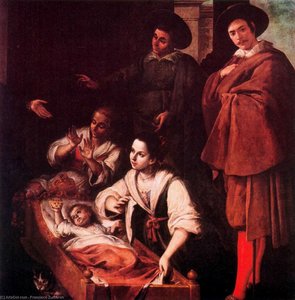
实景预览
实景预览
 分享
分享 分享
分享
 详情
详情 指南
指南

 下载作品
下载作品
 相似作品
相似作品 X射线
X射线 幻灯片播放
幻灯片播放 Q&A
Q&A 统计数据
统计数据Bodegón de membrillos

 展开全文
展开全文
艺术微喷/版画
博物馆级艺术微喷或帆布版画,制作高效,并提供多种饰面选择。 ( 订购纯手工绘制画作 切换至数字图像销售渠道)




P118B ¥10

P118H ¥10

P118W ¥10

P438Z ¥10

P508JH ¥12

P508YH ¥12

P805H ¥10

P805Z ¥10

P919BZ ¥10

P919G ¥10

P919XJ ¥10

P959ZH ¥10

P968JZ ¥12

W106C ¥8

W218G ¥10

W218JH ¥8

W218Y ¥10

W307PJ ¥10

W316G ¥10

W316PJ ¥8

W316Y ¥10

W398PJ ¥8

W4111J ¥10

W500HY ¥15

W500JH ¥15

W692G ¥12

W849H ¥8

W940BG ¥15

W953PJ ¥8




您可以从与原作比例一致的预设尺寸中进行选择。

请输入您所需的宽度和高度,以适配您的画框或墙面。由于印刷品只能进行裁剪,无法超出原图尺寸,因此若比例不一致,画面的一部分将会被裁切。在正式印刷之前,我们会为您发送一份数字效果图供您确认。本页面显示的图片并非最终裁剪后的效果——只有效果图才能展示真实的裁剪情况。


 玻璃选项仅适用于110厘米以下的尺寸。

Bodegón de membrillos
艺术微喷/版画
复刻品尺寸
-


最终结算价
¥ 538
A Still Life of Profound Simplicity: Exploring Zurbarán’s *Bodegón de Membrillos*
Francisco de Zurbarán's *Bodegón de Membrillos*, a deceptively simple composition featuring three apples resting upon a rustic plate, is far more than a mere depiction of fruit. It’s a window into the deeply spiritual world of one of Spain’s most significant Baroque artists, offering a glimpse into his meticulous observation of nature and his profound understanding of light and shadow – hallmarks of his distinctive style. Painted likely around 1630, this work exemplifies Zurbarán's mastery of *tenebrism*, a dramatic technique where strong contrasts between light and dark heighten the emotional impact of the scene. The muted palette—dominated by browns, ochres, and the pale yellows of the apples—creates an atmosphere of solemnity and quiet contemplation, drawing the viewer into a space both earthly and ethereal.

The Roots of Austerity: Context and Influences
To fully appreciate *Bodegón de Membrillos*, it’s crucial to understand the artistic and religious context in which it was created. Born in Fuente de Cantos, Extremadura, in 1598, Zurbarán's upbringing instilled within him a reverence for simplicity and austerity – qualities deeply rooted in the region’s Catholic traditions. His early training with Alejandro de la Mina and later under Alonso de Najera exposed him to the burgeoning Baroque style, but he quickly developed his own unique voice, prioritizing realism and spiritual depth over elaborate ornamentation. The stark landscapes of Extremadura, characterized by their rugged beauty and devout atmosphere, profoundly shaped his artistic sensibility. Interestingly, Zurbarán’s work reflects influences from both Dutch still life painting – particularly in its meticulous detail and focus on everyday objects – and Italian tenebrism, most notably the dramatic lighting employed by Caravaggio. However, unlike Caravaggio's often theatrical compositions, Zurbarán’s works possess a quiet dignity and introspective quality.
Symbolic Resonance: Apples, Light, and Mortality
The choice of subject matter—three apples—is laden with symbolic meaning. In Christian iconography, the apple frequently represents temptation, sin, and mortality. Here, however, the apples are presented not as symbols of transgression but rather as emblems of earthly beauty and fleeting existence. The way Zurbarán renders their surfaces – capturing every subtle variation in color and texture – emphasizes their vulnerability and fragility. Crucially, the light itself is a key element of the composition. It originates from an unseen source, bathing the apples in a golden glow while simultaneously casting deep shadows that accentuate their form and create a sense of depth. This interplay of light and dark not only enhances the visual drama but also serves to evoke a feeling of spiritual illumination – suggesting that even in the most mundane objects, one can find evidence of God’s presence.
A Legacy of Dramatic Realism: Zurbarán's Enduring Influence
Francisco de Zurbarán remains a pivotal figure in Spanish art history, often referred to as the “Spanish Caravaggio” for his masterful use of *tenebrism*. His works—including this evocative still life—continue to captivate viewers with their profound sense of realism, spiritual intensity, and technical brilliance. His influence can be seen in the work of subsequent generations of Spanish painters, particularly Juan de Zurbarán, his son, who further developed his father’s distinctive style. Reproductions like this offer a remarkable opportunity to experience the power and beauty of Zurbarán's art firsthand, bringing a touch of timeless elegance and contemplative serenity to any space.
常见问题与解答
哪里可以买到弗朗西斯科·德尔·苏尔巴兰 的《Bodegón de membrillos》的手绘复制品?
您可以在弗朗西斯科·德尔·苏尔巴兰 的《Bodegón de membrillos》的手工油画复刻页面直接订购其手绘复制品:亚麻画布手工油画复制品,按需定制。
弗朗西斯科·德尔·苏尔巴兰 的《Bodegón de membrillos》 是一件广为人知的艺术品吗?
弗朗西斯科·德尔·苏尔巴兰 的《Bodegón de membrillos》 的记录热度为 Iconic。
弗朗西斯科·德尔·苏尔巴兰 的《Bodegón de membrillos》 描绘了怎样的场景,又传达了怎样的意境?
弗朗西斯科·德尔·苏尔巴兰 的《Bodegón de membrillos》 描绘了 apples, plate, still life, zurbarán, spain, baroque, fruit,营造出 Calm 的意境。其主题与氛围共同构成了这件作品的精髓。
艺术家简介
Early Life and Formation in Extremadura
Francisco de Zurbarán,出生于西班牙埃克斯美杜拉的Fuente de Cantos,1598年。这个地区充满了宗教热情和乡村简朴——这些品质深深地塑造了他的艺术视野。虽然关于他早期的训练细节仍然有些模糊,但我们知道他首先拜师于当地画家阿列学·德·拉米纳,然后迁往塞维尔学习于阿尔沃诺斯·德·纳热拉。在纳热拉的工作室里,Zurbarán开始吸收了勃鲁尼克风格的兴起,这是一种戏剧性的转变,与先前几代人的艺术传统相比。
The Seville Period: Establishing a Singular Style
到1614年,Zurbarán已经确立在塞维尔的生活,这是一个充满文化活力和西班牙广阔美洲殖民地的大都市。他迅速获得名声,建立了成功的工作室并吸引了众多委托人,主要为教堂、修道院和私人宗教用途的绘画作品。这个时期见证了他签名风格的完全绽放——一种兼具戏剧性现实主义和强烈精神性的综合体。他的早期作品已经展现出对光影技巧的精湛掌握,这借鉴了卡拉瓦乔的技法,通过戏剧性的光影对比创造了一种戏剧感和强调主题情感强度的感觉。他并非只是复制了所见;他是在努力揭示每个人物内在的真实,在每个形象中蕴含着深刻的精神存在。他的绘画不仅仅是对圣徒或圣经场景的描绘;它们是冥想邀请,旨在让观众产生一种生理反应。
Master of Tenebrism and Religious Devotion
Zurbarán的艺术天赋在于他能够将宗教叙事转化为充满力量的视觉体验。他以描绘修士、修女、殉道圣徒和圣灵而闻名,这些人物经常被描绘在深刻的冥想或痛苦的时刻。他的《圣母玛丽亚纯洁颂》(约1635年)是毕加索博物馆收藏品中的杰作;圣母玛丽亚以庄严的神圣仪态呈现,沐浴在圣光之中,象征着纯洁和神圣恩泽。同样,《羔羊之德》(约1640年),现在位于纽约现代艺术博物馆馆藏,展现了基督作为牺牲羔羊的形象,散发着庄严肃穆和牺牲气息。
Royal Patronage and Lasting Legacy
大约在1630年,Zurbarán实现了职业生涯中的一个重要里程碑时,他成为西班牙国王费尔南多四世的宫廷画家。这一任命为他带来了更大的认可和访问皇家委托权,进一步巩固了他作为西班牙最杰出的艺术家之一的声誉。然而,尽管取得了这些成功,但他在后期与艺术品口味的变化相比,变得有些受欢迎。西班牙在17世纪中期面临经济困难也影响了他的能力来获得大型项目。
Notable Works
Zurbarán的作品包括:《圣母玛丽亚纯洁颂》、《羔羊之德》、《圣弗朗西斯接受圣职》、《圣若尼卡圣母受洗圣像》、《修士圣像群》。这些作品体现了他在宗教艺术领域的卓越成就。
- Notable Works: Immaculate Conception (c. 1635), Agnus Dei (c. 1640), St Francis Receiving the Stigmata, Paintings of Carthusian Monks

弗朗西斯科·德尔·苏尔巴兰
1598 - 1664 , 西班牙
艺术家简介
- Artistic Movement Or Style: 巴洛克藝術,提恩布里斯姆
- Artists Or Movements Influenced By This Artist: ['提恩布里斯姆畫派']
- Artists Who Influenced This Artist: ['西班牙畫家']
- Date Of Birth: 1598年
- Date Of Death: 1664年
- Full Name: Francisco de Zurbarán
- Nationality: 西班牙人
- Notable Artworks:
- 聖母無瑕面容
- 羔羊之阿當
- 聖弗朗西斯接受聖釘
- 卡爾杜斯修道院畫作
- Place Of Birth: 西班牙Fuente de Cantos
相关文章
The Dramatic Flourish: Exploring Themes of Power, Faith & Emotion in Baroque Artworks
Explore the dramatic world of Baroque art! Discover masters like Zurbarán & the powerful influence of religious zeal on painting techniques. Expert insights for collectors and enthusiasts.

巴洛克艺术巅峰:十部巨作定义时代,点亮您的臻品格调
探索巴洛克艺术的辉煌!本文精选十部巨作,带您领略卡拉瓦乔、伦勃朗等大师的光影魔法与戏剧张力。从黄金时代到宗教绘画,感受奢华与精致。OriginalUniqueArt.com为您提供博物馆品质的艺术复制品和家居装饰灵感。尽在OriginalUniqueArt.com!

巴洛克艺术的戏剧性辉煌:历史背景、风格特征与持久影响
深入探索巴洛克艺术的辉煌历史、独特风格与持久影响。了解卡拉瓦乔、贝尼尼等大师的作品,洞悉反宗教改革运动下的艺术变革。OriginalUniqueArt.com为您提供专业的艺术解读与高清画作欣赏。
西班牙巴洛克艺术:信仰、戏剧与黄金时代的重塑
深入探索西班牙巴洛克艺术的辉煌时代!从反宗教改革到鲁本斯、维米尔等大师的作品,解读信仰、戏剧与黄金时代的重塑。OriginalUniqueArt.com提供精美油画复制和专业艺术咨询。

Francisco de Zurbarán: Mysticism, Realism & the Golden Age of Spanish Painting
Explore the captivating world of Francisco de Zurbarán, a master of Spanish Baroque painting. Discover his dramatic tenebrism, religious masterpieces like 'La Porciúncula,' and lasting influence on art history.