

 效果预览
效果预览
 分享
分享 分享
分享
 详情
详情

 下载
下载
 相似作品
相似作品 X射线
X射线 幻灯片播放
幻灯片播放 统计数据
统计数据New York Cityscape


 展开详情
展开详情
艺术微喷/版画
博物馆级艺术微喷或帆布版画,制作高效,并提供多种饰面选择。 ( 购买手绘画作 切换至数字图像销售渠道)




P118B $10

P118H $10

P118W $10

P438Z $10

P508JH $12

P508YH $12

P805H $10

P805Z $10

P919BZ $10

P919G $10

P919XJ $10

P959ZH $10

P968JZ $12

W106C $8

W218G $10

W218JH $8

W218Y $10

W307PJ $10

W316G $10

W316PJ $8

W316Y $10

W398PJ $8

W4111J $10

W500HY $15

W500JH $15

W692G $12

W849H $8

W940BG $15

W953PJ $8




从与原作比例一致的预设尺寸中进行选择。

您可以输入自定义尺寸,以适配特定的画框或空间。如果您选择的尺寸与原图比例不符,我们将对作品进行裁剪,或通过镜像填充/纯色填充边缘的方式来扩展图像。在开始制作之前,我们会向您发送一份数字效果图供您确认。
请注意,屏幕上的预览并不能反映实际的裁剪或扩展效果。只有效果图才能准确展示最终的构图。
虽然我们提供定制尺寸,但为了保持原图比例,我们建议您从预设列表中选择尺寸。


 玻璃选项仅适用于110厘米以下的尺寸。

New York Cityscape
艺术微喷/版画
复制品尺寸
-


最终总价
$ 80
A Window into a Vanished Era
In the rhythmic pulse of New York Cityscape, painted around 1900 by the versatile Francis Hopkinson Smith, we are invited to step through a temporal portal into the dawn of a new century. This evocative work captures the bustling energy of Manhattan at a pivotal moment in history, where the horse-drawn elegance of the Victorian era began to meet the burgeoning industrial spirit of the modern age. The scene is far more than a mere topographical record; it is a soulful meditation on urban life, rendered with the keen eye of an artist who understood both the structural precision of an engineer and the delicate nuance of a storyteller.
As your eyes wander through the composition, you encounter the gentle movement of a horse-drawn carriage navigating the cobblestone streets. The presence of the horses—one positioned prominently near the left and another resting in the background—serves as a rhythmic anchor to the piece, grounding the viewer in a time when the pace of life was dictated by the steady clip-clop of hooves rather than the roar of engines. Scattered pedestrians move through the frame, their small figures adding a sense of lived-in reality and human connection to the towering architecture that lines the thoroughfare.
The Mastery of Light and Atmosphere
Smith, a true Renaissance man of his time, utilizes a technique that breathes life into the urban landscape. His approach reflects his background in en plein air painting, where the goal was to capture the fleeting qualities of light and atmosphere. In this cityscape, the interplay of shadow and illumination creates a profound sense of depth, making the buildings appear not as static monoliths, but as living participants in the city's daily drama. The artist’s ability to render the textures of stone, wood, and fabric allows the viewer to almost feel the cool morning air or the warmth of a sun-drenched afternoon.
For the discerning collector or interior designer, this painting offers an unparalleled sense of nostalgic grandeur. The composition possesses a balanced, harmonious quality that makes it a sophisticated centerpiece for any curated space. Whether placed in a traditional study, a classic library, or a contemporary gallery setting, the artwork provides a rich, historical texture that anchors a room with dignity and grace.
An Emotional Legacy for the Modern Collector
Beyond its technical brilliance, New York Cityscape resonates on an emotional level by evoking a sense of longing for a simpler, more tactile world. It captures the "spirit of place" (genius loci) that defines New York—a city of constant motion and architectural ambition. To possess a reproduction of this work is to hold a fragment of American heritage, a tribute to the era when the foundations of the modern metropolis were being laid with grit and artistry.
For those seeking to infuse their interiors with a sense of history and narrative depth, Smith’s masterpiece serves as an exquisite choice. It does not merely decorate a wall; it invites conversation, inspires reflection, and brings the timeless charm of the turn-of-the-century American dream into the contemporary home.
艺术家简介
Francis Hopkinson Smith: A Renaissance Man of Victorian America
Francis Hopkinson Smith (1838 – 1915) stands as a remarkable testament to the multifaceted brilliance of Victorian America—a sculptor, author, engineer, and storyteller who seamlessly blended artistic vision with practical accomplishment. Born into a lineage steeped in American history, his descent from Francis Hopkinskinson, one of the Founding Fathers, instilled within him an early appreciation for civic duty and intellectual curiosity. Educated at Baltimore’s Boys Latin School, Smith embarked on a path that would propel him to prominence across several disciplines.- Engineering Marvels: Smith's career began in New York City where he honed his skills as a contractor, undertaking ambitious projects for the federal government. He oversaw the construction of vital infrastructure – including the stone ice-breaker at Bridgeport, Connecticut; the jetties at the mouth of the Connecticut River; and most famously, the foundation for the Statue of Liberty. These endeavors demanded precision, ingenuity, and an understanding of materials science—skills that would later inform his artistic pursuits.
- Sculptor’s Touch: Beyond engineering, Smith possessed a profound talent for sculpture. He spearheaded the creation of the monumental statue of liberty, collaborating closely with Frédéric Auguste Bartholdi to realize this iconic symbol of American ideals. His meticulous attention to detail and mastery of form reflected his unwavering commitment to artistic excellence.
- Literary Legacy: Smith’s literary output cemented his reputation as a storyteller and novelist. He captivated audiences with tales rooted in the Old South, capturing its atmosphere and complexities with evocative prose. Novels like “Colonel Carter of Cartersville,” “Tom Grogan,” and “Caleb West” achieved phenomenal success during their respective publication years—establishing him as one of America’s bestselling authors.
- Traveler & Artist: Smith's wanderlust fueled his artistic development. He traveled extensively throughout Europe and the Middle East, sketching landscapes and capturing scenes from diverse cultures. These journeys provided invaluable inspiration for his paintings and infused them with a rich tapestry of observation and experience—particularly evident in works depicting Venice, Constantinople, and Holland.
Notable Achievements & Recognition
Smith's contributions extended beyond individual projects; he actively championed artistic endeavors and fostered collaborations that resulted in enduring masterpieces. His involvement with Stirling Smith Art Gallery And Museum, established in 1894, demonstrates his dedication to promoting art education and cultural enrichment. Furthermore, his literary success garnered him numerous awards and accolades—solidifying his place as a celebrated figure within the American intellectual landscape.Influence & Historical Significance
Smith’s work embodies the spirit of Victorian America – a period characterized by innovation, ambition, and a fervent belief in progress. He exemplifies the ideal of the “Renaissance Man,” demonstrating exceptional proficiency across multiple fields while maintaining an unwavering commitment to artistic integrity. His legacy continues to inspire artists and writers alike—serving as a reminder that creativity can flourish within the framework of both practical endeavor and scholarly pursuit. Exploring his art, particularly "New York Cityscape" and "Under an Umbrella, Inn of William the Conqueror," offers invaluable insight into the aesthetic sensibilities of a pivotal era in American history.
Francis Hopkinson Smith
1838 - 1915
艺术家简介
- Artistic Movement Or Style: Realism
- Artists Or Movements Influenced By This Artist: ['Victorian Art']
- Artists Who Influenced This Artist: ['Romanticism']
- Date Of Birth: 1838
- Date Of Death: 1915
- Full Name: Francis Hopkinson Smith
- Nationality: American
- Notable Artworks:
- New York Cityscape
- Under an Umbrella, Inn of William the Conqueror
- Place Of Birth: Baltimore, Maryland
相关文章

The Ashcan School: Capturing the Raw Spirit and Urban Realism of New York City Life
Explore the raw, evocative beauty of the Ashcan School. Discover how masters like Bellows and Glackens captured New York's urban soul through American Realism, and learn to bring this gritty, historical elegance into your modern art collection.
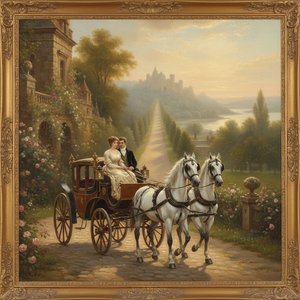
Timeless Elegance: A Visual Journey Through the Romance of Horse Carriage Artworks
Embark on a visual journey through the romantic world of horse carriage art. Discover the mastery of equestrian oil paintings, from Impressionist textures to classical realism, and learn how to bring timeless elegance into your home with museum-quality reproductions.

The Equine Muse: A Historical & Artistic Exploration of Horses in Painting
Explore the captivating history of horses in painting! Discover Renaissance masterpieces, Baroque grandeur & expert insights for collecting equestrian art. Learn about symbolism, techniques & lasting value with OriginalUniqueArt.
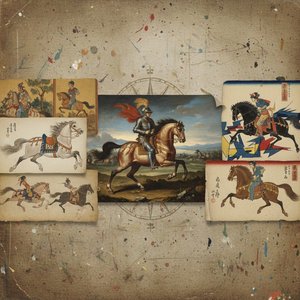
The Noble Steed on Canvas: A Historical & Artistic Exploration of Horse Painting Across Cultures
Explore the rich history of horse painting! Discover masterpieces from Stubbs to Munnings & learn about symbolism, techniques & artists. Find museum-quality reproductions at OriginalUniqueArt.
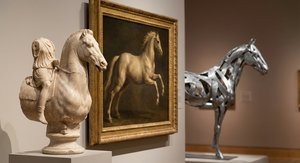
The Noble Steed: A Historical and Artistic Exploration of Horses in Fine Art
Explore the rich history of horses in fine art! From ancient depictions to Renaissance masterpieces & beyond, discover iconic artworks and artists. Learn about symbolism, techniques, and find museum-quality reproductions at OriginalUniqueArt.