

 效果预览
效果预览
 购买手绘画作
 分享
分享 分享
分享
 详情
详情

 下载
下载
 相似作品
相似作品 X射线
X射线 幻灯片播放
幻灯片播放The Shepherd's Star
 Impressionism
 1908
1908 76.0 x 51.0 cm
 展开详情
展开详情




































从与原作比例一致的预设尺寸中进行选择。

您可以输入自定义尺寸,以适配特定的画框或空间。如果您选择的尺寸与原图比例不符,我们将对作品进行裁剪,或通过镜像填充/纯色填充边缘的方式来扩展图像。在开始制作之前,我们会向您发送一份数字效果图供您确认。
请注意,屏幕上的预览并不能反映实际的裁剪或扩展效果。只有效果图才能准确展示最终的构图。
虽然我们提供定制尺寸,但为了保持原图比例,我们建议您从预设列表中选择尺寸。


 玻璃选项仅适用于110厘米以下的尺寸。

The Shepherd's Star
艺术微喷/版画
复制品尺寸
-


最终总价
$ 80
艺术家简介
The Visionary Architect of the Glasgow Style
Francis Henry Newbery stands as a monumental figure in the tapestry of British art, a man whose influence stretched far beyond the bristles of his paintbrush to reshape the very foundations of art education in Scotland. Born in 1855 in the quiet landscapes of Devon, Newbery’s early life was rooted in the honest craftsmanship of his father, a shoemaker. This early exposure to the tactile beauty of manual skill would later become a cornerstone of his artistic philosophy. After honing his pedagogical talents in Bridport, Dorset, a transformative scholarship to London’s Slade School of Art in 1881 thrust him into a vibrant world of creative exchange. It was here that he forged vital connections with luminaries such as James Guthrie and John Lavery, establishing a stylistic lineage that would eventually link the traditions of London to the burgeoning modernism of the north.
When Newbery assumed the directorship of the Glasgow School of Art in 1885, he did not merely occupy an office; he ignited a revolution. With a visionary's foresight, he dismantled the rigid, instructor-led hierarchies of the era, choosing instead to populate the faculty with practicing artists. This bold move ensured that the school became a living laboratory of contemporary technique rather than a stagnant repository of tradition. His tenure, which lasted until 1917, was characterized by an unwavering belief in the marriage of fine art and functional craft. By establishing workshops and introducing embroidery classes—often supported by the creative spirit of his wife, Jessie Newbery—he helped cultivate an environment where the decorative arts could flourish alongside classical painting.
A Legacy of Collaboration and Design
Perhaps Newbery’s most enduring contribution to the architectural and visual identity of Scotland was his profound collaboration with Charles Rennie Mackintosh. Recognizing that a school of such ambition required a physical vessel of equal greatness, Newbery played a crucial role in commissioning Mackintosh to design the iconic Glasgow School of Art building. This partnership was more than administrative; it was a shared aesthetic mission. Under Newbery’s stewardship, the Glasgow Style began to coalesce, defined by its elegant geometric forms, organic motifs, and a unique synthesis of tradition and modernity. He did not merely oversee a movement; he nurtured the very soil in which it grew, providing the institutional support necessary for Mackintosh and his circle to redefine the visual language of the early 20th century.
Newbery’s own artistic output reflected this deep appreciation for texture, light, and narrative. His paintings often resonated with the sensibilities of the Glasgow Boys, capturing moments of quiet introspection or dramatic historical weight. Whether through the serene, sun-drenched atmosphere of Daydreams or the evocative, textured elegance found in The Lady of the Carnation, his work demonstrates a mastery of oil painting that balances realism with a burgeoning modern decorative impulse. His ability to weave together the romanticism of the past with the structural innovations of the present allowed him to remain relevant across decades of shifting artistic tides.
Historical Significance and Enduring Influence
The historical significance of Francis Henry Newbery lies in his role as a bridge between eras. He bridged the gap between the Victorian era’s reverence for craftsmanship and the modern era’s embrace of abstraction and design. His leadership transformed Glasgow into an international hub of artistic excellence, ensuring that the city's creative output was recognized far beyond the borders of the United Kingdom. Even after his retirement to the tranquil surroundings of Corfe Castle in Dorset, where he continued to paint until 1932, his impact remained etched in the stone and spirit of Glasgow.
To study Newbery is to study the evolution of the modern art school. His achievements can be summarized through several key pillars of his career:
- Educational Reform: The implementation of a faculty composed of active, practicing artists to prioritize contemporary relevance over rote instruction.
- Architectural Vision: The pivotal role in commissioning and supporting the Mackintosh-designed Glasgow School of Art building.
- Promotion of the Glasgow Style: Creating an institutional sanctuary for the development of unique Scottish decorative motifs and geometric aesthetics.
- Integration of Crafts: Fostering a multidisciplinary approach that elevated embroidery, design, and fine art to a unified standard of excellence.
Ultimately, Francis Henry Newbery was more than a director or a painter; he was the custodian of a movement. Through his tireless advocacy for individual talent and his belief in the harmony of art and architecture, he ensured that the flame of Scottish creativity would burn with a distinctive and unforgettable brilliance.

francis henry newbery
1855 - 1946
艺术家简介
- Artistic Movement Or Style: Glasgow Style
- Artists Or Movements Influenced By This Artist: ['Mackintosh Designs']
- Artists Who Influenced This Artist:
- James Guthrie
- John Lavery
- Date Of Birth: 1855
- Date Of Death: 1946
- Full Name: Francis Henry Newbery
- Nationality: British
- Notable Artworks:
- The Lady of the Carnation
- Herbert Fitton Stockdale
- The Spirit of Bridport
- Place Of Birth: Devon, England
相关文章

弗朗西斯·培根:25幅震撼人心的杰作,重塑艺术与家居空间 | Francis Bacon's 25 Masterpieces
探索弗朗西斯·培根25幅震撼人心的杰作,深入了解这位现代艺术大师的创作故事与情感世界。从《三幅习作》到肖像画,感受抽象表现主义的魅力。OriginalUniqueArt.com提供高品质艺术品复制,为您的家居空间增添艺术气息!立即探索完整系列。

Impressionistic Landscapes: 10 Masterpieces That Changed Art & Decor
Journey into the heart of Impressionism! Explore 10 masterpieces by Monet, Renoir & Degas that revolutionized landscape art. Discover their stories, techniques & find museum-quality reproductions to elevate your home decor on OriginalUniqueArt.com.

印象派风景画的十部巨作:定义艺术与家的和谐之境
探索印象派风景画的十部经典巨作!从莫奈到雷诺阿,揭秘大师们的技法与灵感。OriginalUniqueArt.com为您呈现高清油画复制和精选艺术品,点亮您的家居空间。立即发现更多艺术珍宝!
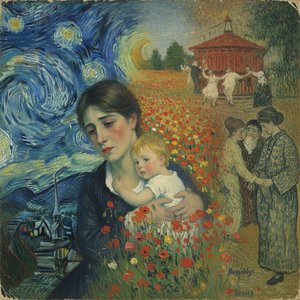
Capturing the Soul: The Most Emotionally Moving Impressionist and Post-Impressionist Masterpieces
Discover the profound emotional depth of Impressionist and Post-Impressionist masterpieces. Explore how legends like Monet, Van Gogh, and Gauguin captured light and soul through evocative landscapes and vibrant brushwork for a timeless connection to art history.
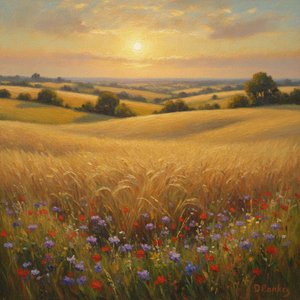
Golden Fields & Sun-Drenched Meadows: Capturing the Soul of Impressionist Landscapes
Immerse yourself in the luminous world of Impressionist landscapes. Discover how masters like Monet and Gauguin captured ephemeral light through plein air painting, and learn to bring the soul of sun-drenched meadows into your home with exquisite, hand-painted oil reproductions.

