

 实景预览
实景预览
 发送
发送 分享
分享
 详情
详情 指南
指南

 下载图片
下载图片
 相似作品
相似作品 X射线
X射线 幻灯片播放
幻灯片播放 统计数据
统计数据Monkeys and Dogs Playing


 阅读全文
阅读全文
手工油画复制品
由我们的艺术家按需定制,为您提供您所选尺寸及画框的布面手工油画。 ( 切换至版画销售渠道 切换至数字图像销售渠道)




































您可以从与原作比例一致的预设尺寸中进行选择。

请输入您需要的宽度和高度,以适配您的画框或墙面。由于作品为手工绘制,若您选择不同的尺寸比例,艺术家可能会在画面边缘多画一些或稍作裁剪 —— 由您决定。在开始绘画之前,我们会为您发送一份数字效果图供您确认。本页面上展示的图片并非最终实物 —— 只有效果图才能反映真实结果。
下单后,OriginalUniqueArt.com 团队将通过电子邮件联系客户获取具体要求,并提供效果预览图


 玻璃选项仅适用于110厘米以下的尺寸。

Monkeys and Dogs Playing
复制品材质
复刻品尺寸说明
-


总计金额
¥ 2015
艺术家简介
The Pioneer of the English Wild: The Life and Legacy of Francis Barlow
In the vibrant, often turbulent landscape of 17th-century England, few figures possessed the versatility and observational prowess of Francis Barlow. Born in Lincolnshire around 1626, Barlow emerged as a polymath of the visual arts—a painter, etcher, illustrator, and satirist whose work bridged the gap between scientific naturalism and popular storytelling. Often revered as the "Father of British Sporting Painting," his influence stretched far beyond the mere depiction of animals; he captured the very soul of the English countryside and the shifting political tides of his era. Though history occasionally overlooked his immense contributions, Barlow’s ability to infuse anatomical precision with narrative drama established a foundation for generations of British artists, most notably the legendary George Stubbs.
Barlow's artistic journey was marked by an extraordinary breadth of subject matter. He was not merely a chronicler of nature but a master of many disciplines, ranging from natural history and hunting scenes to political caricature and decorative design. His early career saw him making significant strides in book illustration, most notably through his twelve-plate work for Edward Benlowe's Theophila in 1652. This period of intense productivity showcased his skill as a printmaker, a talent that would later lead to collaborations with esteemed engravers like Wenceslaus Hollar. Whether he was etching woodcuts for Aesop’s Fables or painting the delicate textures of a bird's plumage, Barlow possessed an "exactness in the portrayal of birds, fishes, and animals" that earned him profound respect among his contemporaries.
A Visionary of Narrative and Satire
Beyond the tranquil scenes of wildlife, Barlow holds a unique place in the annals of art history as one of the world's first professional cartoonists. In 1682, he produced A True Narrative of the Horrid Hellish Popish Plot, a work that stands as a landmark in the evolution of sequential art. By utilizing illustrated sequences paired with text and—most revolutionary for his time—the use of speech balloons to allow characters to communicate, Barlow pioneered a technique that would eventually become the bedrock of modern comics. This satirical edge allowed him to navigate the complex sociopolitical atmosphere of Restoration England, using his pen to comment on the scandals and conspiracies that gripped the nation.
His work often functioned on multiple levels, offering both literal beauty and deep symbolic resonance. While a viewer might be captivated by the technical mastery of a hunting scene or the serene atmosphere of a farmyard, Barlow frequently embedded rich metaphors within his compositions. These subtle layers allowed his art to speak to the English populace's moods and political anxieties. His ability to blend the scientific observation of a naturalist with the biting wit of a satirist made him a singular voice in an age of profound transition.
The Final Chapter and Enduring Influence
Despite his prolific output and the high regard in which he was held by peers, Barlow’s later years were shadowed by hardship. The very versatility that defined his career did not shield him from financial instability; historical records, including those by Joseph Strutt, suggest that he died in 1704 in much-needed poverty. It is a poignant irony that an artist who so vividly captured the abundance of life and the excitement of the hunt should conclude his journey in such indigent circumstances.
Yet, the legacy of Francis Barlow remains undiminished by the struggles of his final days. His contributions to British art are foundational, leaving behind a trail of innovation that can be seen in:
- The Birth of Sporting Art: Establishing the tradition of depicting hunting, fishing, and wildlife with anatomical accuracy and atmospheric depth.
- Printmaking Excellence: Elevating the status of book illustration and etching through detailed, high-quality engravings.
- Sequential Storytelling: Laying the early groundwork for the comic strip through his innovative use of speech balloons and narrative panels.
- Natural History Illustration: Providing a vital visual record of fauna that influenced both the scientific and artistic communities of the 17th and 18th centuries.
Today, when we look upon works such as Three Hares or his evocative animal studies, we see more than just historical artifacts; we see the eyes of a man who truly understood the wildness of the world and the complexity of the human spirit.
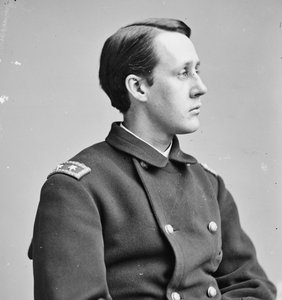
Francis Barlow
1624 - 1704 , United Kingdom
快速概览
- Full Name: Francis Barlow
- Nationality: English
- Date Of Birth: 1624
- Date Of Death: 1704
- Place Of Birth: Lincoln, United Kingdom
- Notable Artworks:
- Three Hares
- A Farmyard
- A Cassowary
- Theophila illustrations
- Artistic Movement Or Style: Natural history, hunting, and satire
- Artists Who Influenced This Artist: ['William Sheppard']
- Artists Or Movements Influenced By This Artist:
- George Stubbs
- British sporting painting
相关文章
生机勃勃:动物意象在艺术与室内设计中的永恒呈现
探索动物意象在艺术史上的永恒魅力!OriginalUniqueArt.com提供高品质油画复制、定制肖像及室内设计咨询。大师作品还原,个性化创作,点亮您的家居生活。专业团队,值得信赖!

Baroque Classicism: The Grandeur of Order and Drama in 17th-Century Art History
Explore the profound elegance of Baroque Classicism. Discover how 17th-century masters synthesized dramatic emotion with classical order through the lens of the Counter-Reformation and the works of legends like Carlo Maratta and Andrea Sacchi.
弗朗西斯·培根:25幅震撼人心的杰作,重塑艺术与家居空间 | Francis Bacon's 25 Masterpieces
探索弗朗西斯·培根25幅震撼人心的杰作,深入了解这位现代艺术大师的创作故事与情感世界。从《三幅习作》到肖像画,感受抽象表现主义的魅力。OriginalUniqueArt.com提供高品质艺术品复制,为您的家居空间增添艺术气息!立即探索完整系列。

巴洛克艺术的戏剧性辉煌:历史背景、风格特征与持久影响
深入探索巴洛克艺术的辉煌历史、独特风格与持久影响。了解卡拉瓦乔、贝尼尼等大师的作品,洞悉反宗教改革运动下的艺术变革。OriginalUniqueArt.com为您提供专业的艺术解读与高清画作欣赏。

Decoding Baroque Grandeur: A Guide to the Drama and Emotion of 17th-Century Art
Explore the breathtaking drama of 17th-century Baroque art. Our expert guide decodes the use of chiaroscuro, emotional intensity, and historical grandeur to help you appreciate and curate timeless masterpieces for your collection.