切换至版画销售渠道
 展开全文
展开全文







































 对于任何边长超过 105 厘米(约 41 英寸)的艺术品或复制品,画框将以拆解后的组件形式发货。此方法可确保安全送达并防止运输过程中的损坏。


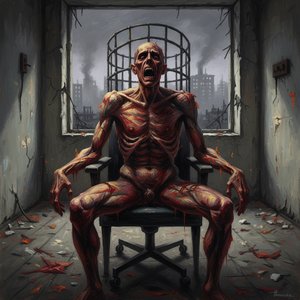
A Portrait of Isolation: Examining Francis Bacon’s “Triptych, Left”
Francis Bacon's "Triptych, Left" stands as a monumental testament to the artist’s unflinching exploration of human vulnerability and psychological torment. Completed in 1977, this unsettling masterpiece transcends mere representation; it plunges viewers into a realm of visceral emotion where form relentlessly pursues feeling. The painting depicts a solitary figure seated on a chair, positioned at an oblique angle—a deliberate compositional choice designed to heighten the sense of unease and detachment. Bacon’s signature style – characterized by jagged lines, distorted forms, and unsettling textures – is powerfully evident here, mirroring the fractured psyche he sought to convey.- Style: Expressionism – Bacon eschewed traditional academic conventions, prioritizing subjective experience over objective observation.
- Technique: Thickly applied oil paint—Bacon employed a technique known as “dragging,” where pigment is pulled across the canvas surface to create palpable ridges and grooves. This physicality underscores the painting’s emotional intensity.
- Color Palette: Dominated by muted reds, browns, and blacks – These colors contribute to the overall atmosphere of gloom and decay, reflecting themes of mortality and suffering.
Historical Context & Influences
Bacon's work emerged during the postwar period, a time marked by disillusionment and anxiety following the devastation of World War II. He drew inspiration from Surrealism and Freud’s psychoanalytic theories, particularly his concept of the unconscious mind—a preoccupation with repressed desires and anxieties that fueled Bacon’s artistic vision. The painting reflects the broader cultural mood of its era, grappling with questions of identity, trauma, and the human condition in the face of existential dread.Symbolism & Emotional Resonance
“Triptych, Left” operates on multiple symbolic levels. The seated figure embodies stillness amidst chaos—a paradoxical representation of inner turmoil. Bacon deliberately avoids depicting a recognizable face, furthering this ambiguity and inviting viewers to project their own emotions onto the canvas. The jagged lines and distorted forms serve as visual metaphors for psychological fragmentation, mirroring the fractured state of consciousness. Ultimately, the painting compels us to confront uncomfortable truths about human suffering and mortality—a visceral reminder of our shared vulnerability.Why Choose a Reproduction?
A high-quality reproduction of “Triptych, Left” allows you to experience Bacon’s masterful technique and profound emotional depth within your own home environment. OriginalUniqueArt offers meticulously crafted reproductions that faithfully capture the painting's textures and colors, bringing its unsettling beauty into focus. Invest in an artwork that speaks to the soul—a timeless piece of art history destined to inspire contemplation and provoke emotion for generations to come.常见问题与解答
在哪里可以找到关于“Triptych, left”的指南?
弗朗西斯·培根 的《Triptych, left》 的 指南 页面提供了一份可打印的两页式学生资料单:包含作品及其基本信息表、将其置于艺术家生平中的年代轴、艺术家的其他作品、经测量的色板,以及四种格式的即用型引用文献。
"Triptych, left" 属于哪种艺术风格?
弗朗西斯·培根 的《Triptych, left》 所属的艺术流派为 Contemporary Realism。这一分类将该作品置于相关艺术家及艺术作品的语境之中。
"Triptych, left" 是 弗朗西斯·培根 最受欢迎的作品之一吗?
弗朗西斯·培根 的《Triptych, left》 的记录热度为 Iconic。
 实景预览
实景预览
 分享
分享 分享
分享
 详情
详情 指南
指南

 下载作品
下载作品
 相似作品
相似作品 X射线
X射线 幻灯片播放
幻灯片播放 问答
问答 统计数据
统计数据