

 实景预览
实景预览
 发送
发送 分享
分享
 详情
详情 指南
指南

 下载图片
下载图片
 相似作品
相似作品 X射线
X射线 幻灯片播放
幻灯片播放 统计数据
统计数据Seated Figure


 阅读全文
阅读全文
手工油画复制品
由我们的艺术家按需定制,为您提供您所选尺寸及画框的布面手工油画。 ( 切换至版画销售渠道 切换至数字图像销售渠道)




P118B ¥10

P118H ¥10

P118W ¥10

P438Z ¥10

P508JH ¥12

P508YH ¥12

P805H ¥10

P805Z ¥10

P919BZ ¥10

P919G ¥10

P919XJ ¥10

P959ZH ¥10

P968JZ ¥12

W106C ¥8

W218G ¥10

W218JH ¥8

W218Y ¥10

W307PJ ¥10

W316G ¥10

W316PJ ¥8

W316Y ¥10

W398PJ ¥8

W4111J ¥10

W500HY ¥15

W500JH ¥15

W692G ¥12

W849H ¥8

W940BG ¥15

W953PJ ¥8




您可以从与原作比例一致的预设尺寸中进行选择。

请输入您需要的宽度和高度,以适配您的画框或墙面。由于作品为手工绘制,若您选择不同的尺寸比例,艺术家可能会在画面边缘多画一些或稍作裁剪 —— 由您决定。在开始绘画之前,我们会为您发送一份数字效果图供您确认。本页面上展示的图片并非最终实物 —— 只有效果图才能反映真实结果。
下单后,OriginalUniqueArt.com 团队将通过电子邮件联系客户获取具体要求,并提供效果预览图


 玻璃选项仅适用于110厘米以下的尺寸。

Seated Figure
复制品材质
复刻品尺寸说明
-


总计金额
¥ 2016
A Descent into Anguish: Unpacking Francis Bacon’s ‘Seated Figure’
Francis Bacon's “Seated Figure,” painted in 1961, isn’t merely a portrait; it’s an excavation of the human psyche, a raw and unsettling glimpse into the depths of isolation and existential dread. This work, residing within the intimate confines of Bacon’s London studio at 7 Reece Mews, immediately confronts the viewer with a figure rendered in agonizing distortion – a slumped man seemingly trapped within the claustrophobic space defined by a worn couch and shadowed curtains. It's a painting that lingers long after viewing, prompting reflection on themes of loneliness, anxiety, and the inherent vulnerability of the human condition.
Bacon’s signature style is powerfully evident here: brushstrokes are not carefully blended but aggressively applied, creating a palpable sense of movement and instability. The muted palette – dominated by browns, greys, blacks, and punctuated by flashes of orange and blue – contributes to this feeling of unease. These colors aren't used descriptively; instead, they’re deployed with gestural abandon, mirroring the emotional turmoil at the heart of the piece. The blurred forms, particularly in the figure’s face and body, further amplify this sense of disorientation, as if reality itself is fracturing before our eyes.
Deconstructing Distortion: Form, Technique, and Symbolism
The composition itself is deceptively simple – a central figure occupying almost all of the frame. However, this apparent simplicity belies a carefully constructed tension. The couch, chairs, and curtains aren’t merely background elements; they actively contribute to the painting's claustrophobic atmosphere, suggesting a confinement that mirrors the subject’s internal state. Bacon deliberately flattened perspective, eliminating any sense of spatial recession, forcing the viewer into an uncomfortable proximity with the figure’s suffering. This flattening is not accidental; it’s a deliberate tactic to heighten the emotional impact and create a feeling of being trapped within the painting's unsettling space.
Technically, “Seated Figure” exemplifies Bacon’s expressionistic approach. He employed oil paint on canvas with visible brushstrokes – layers built up with a rough texture that speaks to the urgency and physicality of his process. The layering is not smooth or polished; it's deliberately uneven, reflecting the chaotic nature of the subject’s emotional state. Notably, the crimson and blue staining of the background and furniture are exceptionally vivid, hinting at a potential symbolic significance – perhaps representing blood and sorrow, or the overwhelming intensity of the figure’s experience.
A Portrait of Isolation: Context and Interpretation
Painted in 1961, “Seated Figure” is considered part of a series created during a pivotal period in Bacon's career. Following the death of his lover, George Dyer, in 1971, many of his works became increasingly introspective and focused on themes of mortality and loss. Research suggests that this particular painting was intended as one of the major pieces for a 1962 Tate Gallery retrospective, initially titled “Seated Man with Turkey Rug.” The inclusion of the turkey rug itself is intriguing – it’s a recurring motif in Bacon's work, often associated with themes of decay and vulnerability.
The figure’s slumped posture, anguished expression, and distorted features powerfully convey a sense of profound isolation and psychological distress. While the exact identity of the subject remains ambiguous, many art historians believe it represents Peter Lacy, a close friend and companion to Bacon who tragically died in 1964. The open-necked shirt, a recurring cipher for Lacy, further solidifies this interpretation. “Seated Figure” isn’t simply a depiction of a man; it's an embodiment of the anxieties and uncertainties that plagued the human condition during the mid-20th century – a timeless meditation on loneliness, despair, and the fragility of existence.
Bringing ‘Seated Figure’ Home: Reproduction & Artistic Impact
OriginalUniqueArt offers meticulously hand-painted reproductions of Francis Bacon's “Seated Figure,” capturing the raw emotion and visceral intensity of this iconic work. Our skilled artists replicate Bacon’s distinctive brushwork, color palette, and textural approach with remarkable accuracy, ensuring that your reproduction faithfully embodies the painting’s original power. Whether displayed in a contemporary art space or incorporated into a sophisticated interior design scheme, “Seated Figure” – now rendered in exquisite detail – serves as a potent reminder of Bacon's enduring legacy and his profound exploration of the human psyche.
问答详情
"Seated Figure" 属于哪种艺术风格?
弗朗西斯·培根 的《Seated Figure》 所属的艺术流派为 Expressionism。这一分类将该作品置于相关艺术家及艺术作品的语境之中。
“Seated Figure”代表了弗朗西斯·培根艺术生涯的哪个阶段?
"Seated Figure" 代表了 弗朗西斯·培根 的 Mid-Career Period 时期。
建议将"Seated Figure"用于何处及何种用途?
建议将“Seated Figure”用于Statement,推荐摆放空间为Living Room。
艺术家简介
弗朗西斯·培根:肉身与存在主义的呐喊
弗朗西斯·培根,一个与二十世纪艺术中最原始的情感共生的名字,1909年出生于都柏林,爱尔兰。然而,他的艺术灵感却在战后英国动荡不安的社会环境中找到了最真实的表达。他早年的生活并不稳定;由于母亲的健康问题而频繁搬迁,在他心中埋下了深刻的疏离感,最终渗透到他的画布上。与严厉的父亲之间复杂的关系以及与保姆杰西·莱特弗特的亲密关系,进一步塑造了他早期生活的感情基调。最初对赛马和赌博生活感兴趣,培根在二十多岁才全身心投入绘画——这种延迟的开始或许加剧了其后作品中的紧迫感和强度。他没有接受过正规训练,而是开辟了自己的道路,吸收各种来源的影响,并发展出一种独特的、令人不安的视觉语言。他的艺术生涯并非一蹴而就,而是一个逐渐积累印象的过程,如同一个沉淀了无数感受的池塘,最终在画布上爆发出一股强大的力量。早期影响:从毕加索到电影的震撼
培根的艺术觉醒并非瞬间发生,而是受到各种因素的影响。巴勃罗·毕加索的作品,尤其是他早期立体主义时期扭曲的人物形象,对培根摆脱传统表现手法起到了至关重要的作用。他还从埃贡·席勒令人不安的摄影作品中汲取灵感,席勒对人体的富有表现力的扭曲与培根自己对存在脆弱性和易逝性的日益增长的痴迷产生了共鸣。然而,是偶然观看谢尔盖·伊森斯坦的电影《战舰波将金》成为了一个关键的催化剂。这部电影中充满视觉冲击力的画面,特别是对着脸部尖叫的特写镜头,成为了培根作品中的一个持久主题,代表着原始的恐惧和人类苦难的深度。他同样深深钦佩文艺复兴时期的绘画大师,尤其是迭戈·委拉斯凯兹,《因纽肯斯教皇肖像》是他一生中反复重新诠释的作品,将权威的教皇形象转化为一个饱受折磨的幽灵。这些影响并非简单的风格模仿,而是通过培根自己独特的敏感性进行转化,从而创造出一种既深刻个人化又具有普遍意义的艺术视野。标志性风格的形成:扭曲与孤立
1944年的三联画《绞刑基石下的三个研究》标志着培根的突破,这部作品震惊并吸引了战后伦敦的观众。这幅三联画确立了他独特的风格——在幽闭空间中被隔离的扭曲、破碎的人物形象。这些并非宗教殉难的描绘,而是对人类痛苦的原始探索,剥夺了任何安慰性的叙事或精神解脱。他的绘画经常使用模糊或溶解的形式,传达一种心理动荡和身体脆弱感。他经常采用几何结构——笼子、盒子——来限制他的主题,强调他们的孤立和无力感。培根的调色板通常是柔和而阴沉的,反映了他所探索的黑暗主题,但又会迸发出强烈的色彩,从而增强了情感冲击力。这些笼子的运用并非单纯的构图技巧;它象征着人类存在固有的限制和约束。他试图捕捉的不仅仅是事物的*样子*,而是它们*感觉*如何,用残酷的诚实将内心的焦虑、恐惧和绝望转化为引人注目的图像。死亡、痛苦与人性主题
在漫长而多产的职业生涯中,培根反复回到某些主题:作为苦难象征的十字架;深入探索其主题心理强度的肖像画,包括他的爱人和朋友乔治·戴尔;以及作为对身份和死亡进行内省性探索的自画像。他的《委拉斯凯兹教皇肖像研究》(1953)系列可能是他最具代表性的成就之一,将委拉斯凯兹庄严的肖像转化为一个尖叫的幻影,体现了存在主义的恐惧。乔治·戴尔的肖像画尤其令人心碎,捕捉到了他们关系的强度以及悲剧阴影的临近。培根的作品并非描绘具体的人物;而是探索人类脆弱、孤立和死亡不可避免性的普遍主题。他不回避存在的黑暗面,而是直面它们,迫使观众面对自己的死亡和焦虑。持久的遗产:挑战传统
弗朗西斯·培根对二十世纪艺术的影响是不可否认的。他挑战了对传统的表现形式观念,放弃了理想化的美,而选择了对人性的残酷、毫不妥协的描绘。他的作品深刻地影响了几代艺术家,为新的表达形式开辟了道路,并挑战了传统的艺术界限。- 战后表现主义:培根被认为是这一运动的关键人物,以其大胆的风格和心理深度影响着艺术家。
- 拍卖记录与博物馆展览:他的画作在拍卖会上持续创下高价,并在世界各地的主要博物馆展出,巩固了他作为艺术史重要人物的地位。
- 直面真相:培根的遗产在于他能够直面人类存在中不适的真相,并将这些体验转化为强大而令人难忘的图像。
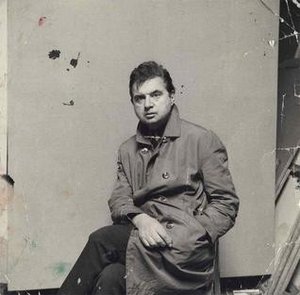
弗朗西斯·培根
1909 - 1992 , 爱尔兰
快速概览
- Artistic Movement Or Style: 表现主义
- Artists Or Movements Influenced By This Artist: ['战后表现主义']
- Artists Who Influenced This Artist:
- 毕加索
- 埃贡·席勒
- Date Of Birth: 1909年10月28日
- Date Of Death: 1992年4月28日
- Full Name: 弗朗西斯·培根
- Nationality: 爱尔兰-英国
- Notable Artworks:
- 三重像:底部的三个形象
- 教皇系列肖像
- 乔治·戴尔肖像
- Place Of Birth: 都柏林, 爱尔兰
相关文章
埃贡·席勒:25幅震撼人心的杰作,艺术与灵魂的深度探索 | OriginalUniqueArt
探索埃贡·席勒25幅震撼人心的杰作!深入了解这位表现主义大师的绘画技巧、情感表达与生命哲思。OriginalUniqueArt.com提供高品质艺术复制品,为您的室内设计带来经典之美。立即在线探索完整系列!
The Existential Anguish of Francis Bacon: Trauma, Form & the Post-War Condition
Explore the profound existential anguish of Francis Bacon's art. Discover how trauma shaped his iconic paintings & lasting influence on modern expressionism. A guide for discerning collectors.
Emotional Transmutation in Visual Art: A Study of Affective Representation Through Color, Form, and Texture
Explore the fascinating intersection of art & emotion! Discover how color, form, and texture convey feelings in masterpieces. Expert analysis for collectors & enthusiasts.
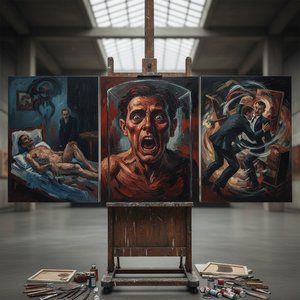
弗朗西斯·培根:25幅震撼人心的杰作,重塑艺术与家居空间 | Francis Bacon's 25 Masterpieces
探索弗朗西斯·培根25幅震撼人心的杰作,深入了解这位现代艺术大师的创作故事与情感世界。从《三幅习作》到肖像画,感受抽象表现主义的魅力。OriginalUniqueArt.com提供高品质艺术品复制,为您的家居空间增添艺术气息!立即探索完整系列。

保罗·塞尚:25幅大师杰作,重塑现代艺术与家居美学 | OriginalUniqueArt
探索保罗·塞尚25幅经典杰作!深入了解后印象派大师的艺术生涯、独特技法与色彩运用。OriginalUniqueArt提供高清油画复制品,为您的家居带来博物馆级艺术体验。立即发现更多名画,点亮生活空间!


