
 实景预览
实景预览
 发送
发送 分享
分享
 详情
详情 指南
指南

 下载图片
下载图片
 相似作品
相似作品 X射线
X射线 幻灯片播放
幻灯片播放 统计数据
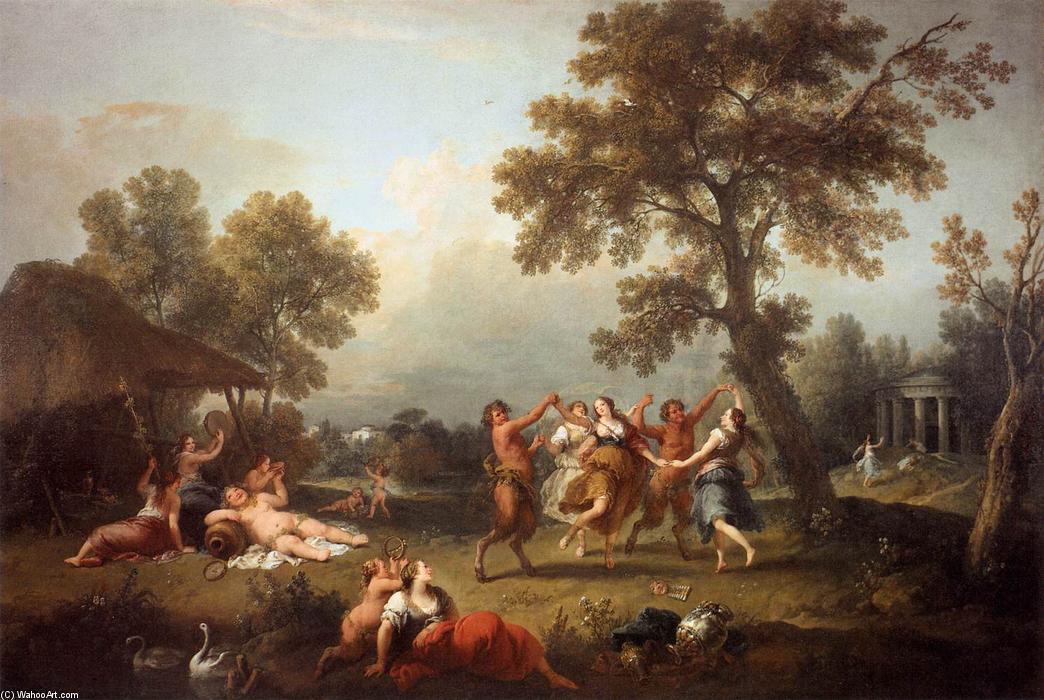
统计数据Bacchanal
 Oil On Canvas
- WallArt
- Rococo Period
 1740
1740- Early Modern
 142.0 x 210.0 cm
 Gallerie dell'Accademia
 阅读全文
阅读全文
手工油画复制品
由我们的艺术家按需定制,为您提供您所选尺寸及画框的布面手工油画。 ( 切换至版画销售渠道 切换至数字图像销售渠道)




P118B ¥10

P118H ¥10

P118W ¥10

P438Z ¥10

P508JH ¥12

P508YH ¥12

P805H ¥10

P805Z ¥10

P919BZ ¥10

P919G ¥10

P919XJ ¥10

P959ZH ¥10

P968JZ ¥12

W106C ¥8

W218G ¥10

W218JH ¥8

W218Y ¥10

W307PJ ¥10

W316G ¥10

W316PJ ¥8

W316Y ¥10

W398PJ ¥8

W4111J ¥10

W500HY ¥15

W500JH ¥15

W692G ¥12

W849H ¥8

W940BG ¥15

W953PJ ¥8




您可以从与原作比例一致的预设尺寸中进行选择。

请输入您需要的宽度和高度,以适配您的画框或墙面。由于作品为手工绘制,若您选择不同的尺寸比例,艺术家可能会在画面边缘多画一些或稍作裁剪 —— 由您决定。在开始绘画之前,我们会为您发送一份数字效果图供您确认。本页面上展示的图片并非最终实物 —— 只有效果图才能反映真实结果。
下单后,OriginalUniqueArt.com 团队将通过电子邮件联系客户获取具体要求,并提供效果预览图


 玻璃选项仅适用于110厘米以下的尺寸。

Bacchanal
复制品材质
复刻品尺寸说明
-


总计金额
¥ 2016
Francesco Zuccarelli’s Bacchanal: A Symphony of Pastoral Elegance
The Bacchanal by Francesco Zuccarelli stands as an emblem of the Rococo artistic movement, capturing not merely a scene but an entire ethos—one steeped in aristocratic indulgence and idealized beauty. Painted circa 1740-50, this oil on canvas masterpiece resides within the Gallerie dell’Accademia in Venice, Italy, offering visitors a glimpse into a period defined by opulent interiors and refined sensibilities. Zuccarelli's skill lies not just in depicting figures engaged in joyous revelry but in crafting an immersive experience that transports the viewer to a realm of pastoral serenity infused with vibrant color and masterful composition.Composition and Style: Balancing Chaos and Harmony
Zuccarelli’s approach distinguishes itself from the more dramatic Baroque tradition, prioritizing balance and grace over theatrical grandeur. The painting depicts a lively bacchanal—a celebration honoring Dionysus, the Greek god of wine and ecstasy—yet it avoids overwhelming visual sensation. A central group of figures dominates the canvas, their postures dynamic yet carefully arranged around a prominent architectural element: a classical structure reminiscent of Roman temples, subtly anchoring the scene in antiquity. The artist employs meticulous detailing to portray each participant’s attire and expression, conveying both physicality and emotion with remarkable precision. Notice how Zuccarelli utilizes light and shadow to sculpt forms, creating depth and enhancing the sense of movement—a hallmark of Rococo aesthetics.Color Palette and Technique: Embracing Pastel Radiance
The color palette is dominated by earthy tones – ochre, umber, Sienna – providing a grounding counterpoint to the splashes of vibrant hues adorning the figures’ clothing. Crimson reds, emerald greens, and sapphire blues punctuate the scene, symbolizing fertility, vitality, and divine inspiration. Zuccarelli's technique showcases exceptional brushwork, layering pigments with subtle gradations to achieve luminous surfaces that shimmer with reflected light. The artist skillfully blends colors on canvas, creating a velvety texture that contributes to the painting’s overall impression of luxurious softness. This meticulous attention to detail underscores Zuccarelli’s dedication to capturing not just what is seen but also how it feels—a testament to the transformative power of art.Historical Context: Venetian Aristocracy and Artistic Patronage
The Bacchanal reflects the cultural landscape of Venice during the mid-18th century, a city ruled by an aristocratic elite deeply invested in artistic patronage. Zuccarelli’s work exemplifies the Rococo style's fascination with idealized landscapes and mythological narratives—themes favored by Venetian noble families eager to express their status and sophistication. The painting aligns perfectly with broader European trends toward decorative art and emotional expression, signaling a shift away from Baroque solemnity towards a celebration of sensual pleasure and imaginative vision.Symbolism: Dionysian Ecstasy and Pastoral Tranquility
Beyond its visual splendor, Bacchanal is laden with symbolic significance. The bacchanalia itself represents the unrestrained pursuit of joy and indulgence—a deliberate rejection of Puritan morality—while simultaneously evoking images of Arcadia, the mythical pastoral paradise inhabited by shepherds and nymphs. The figures’ gestures convey a profound connection to nature and divine inspiration, mirroring the Rococo preoccupation with themes of beauty, harmony, and sensual experience. Zuccarelli's masterful depiction captures not only the outward spectacle of celebration but also its inner resonance—a reminder that art can transcend mere representation to communicate deeper truths about human emotion and spiritual aspiration.Legacy: Rediscovering Zuccarelli’s Vision
Francesco Zuccarelli’s reputation waned in the early 19th century, yet his work has experienced a resurgence of interest in recent decades, displayed prominently in museums worldwide. Bacchanal stands as a cornerstone of Rococo art history—a testament to Zuccarelli's artistic genius and his ability to distill the essence of an era into a single unforgettable image. Its enduring appeal lies in its exquisite beauty, balanced composition, and profound exploration of human emotion, continuing to inspire artists and collectors alike.问答详情
“Bacchanal”提供下载吗?
您可以在作品的下载页面下载弗朗切斯科·祖卡雷利 的《Bacchanal》,作为高分辨率数字图像下载。
弗朗切斯科·祖卡雷利 的《Bacchanal》 的亮度是多少?
弗朗切斯科·祖卡雷利 的《Bacchanal》 的亮度为 Gentle Luminance。亮度描述了色彩呈现出的反射光量。
弗朗切斯科·祖卡雷利 的《Bacchanal》 的创作日期是哪一年?
弗朗切斯科·祖卡雷利 的《Bacchanal》 的创作年份为 1740。
艺术家简介
Francesco Zuccarelli: 绘于风景中的一生
- 出生:意大利,皮蒂廖洛 (1702年)
- 逝世:1788年
- 艺术流派:晚期巴洛克 / 洛可可
贾科莫·弗朗切斯科·朱卡雷利(Giacomo Francesco Zuccarelli),更为人熟知的名字是弗朗切斯科·朱卡雷利,是一位举足轻重的意大利艺术家,以其描绘田园诗意般的风景与阿卡迪亚式的浪漫场景而闻名于世。1702年,他出生于托斯卡纳的皮蒂廖洛,并在18世纪中叶脱颖而出,成为威尼斯最显赫的风景画家之一。他的作品在整个欧洲引起了深远的共鸣,尤其是在英国,在那里他曾长期处于皇室赞助的庇护之下,创作出无数传世佳作。
早年磨砺与罗马的影响
- 学徒生涯:朱卡雷利在罗马开启了他的艺术征程,师从 Giovanni Maria Morandi 与 Pietro Nelli,最初的创作重心在于肖像画。
- 版画与湿壁画:1728年至1731年间,他致力于为逐渐剥落的 Giovanni da San Giovanni 与 Andrea del Sarto 的湿壁画进行版画复制,这一过程展现了他敏锐的细节捕捉能力以及对古典主义风格的深刻理解。
- 保罗·阿内西的指引:艺术史学家 Luigi Lanzi 指出,Paolo Anesi 在引导朱卡雷利转向风景画创作方面发挥了至关重要的作用,塑造了他的艺术走向。
他的早期作品流露出罗马古典主义的深厚底蕴,并逐渐显现出一种捕捉意大利乡村自然之美的浓厚兴趣。
威尼斯时期与名声鹊起
- 移居威尼斯:约1732年,朱卡雷利迁往威尼斯,敏锐地捕捉到了风景画领域新兴的市场机遇。
- 独特的艺术风格:他发展出了一种极具辨识度的个人风格,其特点是色调柔和、构图轻盈,人物通过明亮的光影值焕发出生命力——这与他前辈们所使用的典型威尼斯色彩形成了鲜明的对比。
- 赞助人与艺术协作:朱卡雷利迅速赢得了权势人物的青睐,包括舒伦堡元帅、英国领事约瑟夫·史密斯以及弗朗切斯科·阿尔加罗蒂。他频繁与 Antonio Visentini 和 Bernardo Bellotto 等艺术家合作,其代表作包括新帕拉第奥式建筑系列,以及一套带有手工上色场景的《旧约》纸牌。
- 皇家艺术学院成员:1768年,他成为伦敦皇家艺术学院的创始成员之一,这标志着他在国际舞台上的地位得到了稳固。
这一时期见证了朱卡雷利名声的巅峰,他的风景画令全欧洲的观众为之倾倒,并确立了他作为洛可可运动领军人物的历史地位。
晚年岁月、衰落与重获赞誉
- 评论界的反响:尽管最初备受推崇,但随着19世纪自然主义的兴起,朱卡雷利的名声逐渐减弱。像透纳(Turner)这样的批评家虽然承认他笔下人物的美感,但也对其整体风格提出了质疑。
- 迈克尔·莱维的分析:艺术史学家迈克尔·莱维后来认为,朱卡雷利之所以能拥有广泛的受众,很大程度上归功于其作品中蕴含的装饰性特质,这在英国观众中尤为显著。
- 现代重新评估:自20世纪90年代以来,意大利学者们发起了对朱卡雷利艺术贡献的重新评价运动,通过举办多场展览,向世人展示了他在风景画史上的重要地位。
时至今日,弗朗切斯科·朱卡雷利仍被公认为洛可可时期的艺术大师,他那充满宁静感与古典美感的田园风景,至今仍能触动人心。他的艺术遗产将继续激励着后世的艺术家,并持续吸引着全世界的观众。

弗朗切斯科·祖卡雷利
1702 - 1788 , 意大利
快速概览
- Artistic Movement Or Style: 洛可可,巴洛克
- Artists Who Influenced This Artist:
- 保罗·阿内西
- 克劳德·洛兰
- 安德烈亚·德尔·萨尔托
- Date Of Birth: 1702年8月15日
- Date Of Death: 1788年12月30日
- Full Name: 贾科莫·弗朗切斯科·朱卡雷利
- Nationality: 意大利
- Notable Artworks:
- 圣乔治马焦雷随想曲
- 古典风景
- 河边少女风景
- 酒神节
- Place Of Birth (City And Country): 意大利,皮蒂利亚诺
相关文章

洛可可美学:18世纪艺术中的奢华、反叛与愉悦追求
深入探索18世纪洛可可艺术的奢华与反叛。了解其风格特征、代表画家及其作品,以及对后世艺术的影响。OriginalUniqueArt提供精美手绘油画复制品和专业艺术咨询服务。

Pietro Longhi's Venetian Scenes: A Study of Rococo Society & Domestic Life
Explore the captivating world of Pietro Longhi's Venetian scenes! Discover insightful analysis of his Rococo masterpieces & social commentary on 18th-century life. Learn about this 'Venetian Hogarth' and his lasting artistic legacy.

The Allure of Elegance in Art: A Historical & Aesthetic Exploration of Refinement & Grace
Explore the exquisite world of Rococo art! Discover its history, masters (Watteau, Boucher & more), and defining elegance. Expert insights for collectors seeking museum-quality reproductions & custom portraits.

洛可可艺术史诗:十幅名作定义优雅与华彩
探索洛可可艺术的辉煌!本文精选十幅名作,从华丽色彩到精致细节,揭秘法国洛可可风格的魅力。跟随大师们的足迹,感受艺术史上的优雅与浪漫。OriginalUniqueArt.com为您提供博物馆品质的艺术复制品和个性化家居装饰方案。尽在OriginalUniqueArt.com!

Francesco Guardi: Venetian Light, Atmospheric Perspective & the Rococo to Neoclassical Transition
Explore the captivating world of Francesco Guardi, master of Venetian light and atmosphere. Discover his transition from Rococo to Neoclassicism, influence on Impressionism & investment potential with OriginalUniqueArt.