
 实景预览
实景预览
 分享
分享 分享
分享
 详情
详情 指南
指南

 下载作品
下载作品
 相似作品
相似作品 X射线
X射线 幻灯片播放
幻灯片播放 Q&A
Q&A 统计数据
统计数据Memento Mori


 展开全文
展开全文
艺术微喷/版画
博物馆级艺术微喷或帆布版画,制作高效,并提供多种饰面选择。 ( 订购纯手工绘制画作 切换至数字图像销售渠道)




P118B ¥10

P118H ¥10

P118W ¥10

P438Z ¥10

P508JH ¥12

P508YH ¥12

P805H ¥10

P805Z ¥10

P919BZ ¥10

P919G ¥10

P919XJ ¥10

P959ZH ¥10

P968JZ ¥12

W106C ¥8

W218G ¥10

W218JH ¥8

W218Y ¥10

W307PJ ¥10

W316G ¥10

W316PJ ¥8

W316Y ¥10

W398PJ ¥8

W4111J ¥10

W500HY ¥15

W500JH ¥15

W692G ¥12

W849H ¥8

W940BG ¥15

W953PJ ¥8




您可以从与原作比例一致的预设尺寸中进行选择。

请输入您所需的宽度和高度,以适配您的画框或墙面。由于印刷品只能进行裁剪,无法超出原图尺寸,因此若比例不一致,画面的一部分将会被裁切。在正式印刷之前,我们会为您发送一份数字效果图供您确认。本页面显示的图片并非最终裁剪后的效果——只有效果图才能展示真实的裁剪情况。


 玻璃选项仅适用于110厘米以下的尺寸。

Memento Mori
艺术微喷/版画
复刻品尺寸
-


最终结算价
¥ 537
The Weight of Time: Francesco Solimena’s *Memento Mori*
Francesco Solimena's *Memento Mori*, a captivating still life painting from the late 17th century, isn’t merely a depiction of objects; it’s an invitation to contemplate the ephemeral nature of existence. Executed in the dramatic chiaroscuro style characteristic of Baroque art, the piece unfolds against a stark black background – a deliberate choice that amplifies the richness and depth of its subjects, drawing the viewer into a world where beauty and decay coexist in unsettling harmony. Solimena, a master of Neapolitan painting, skillfully elevates commonplace items—a wooden bowl overflowing with fruit, dice scattered across a table, playing cards, a candlestick casting flickering shadows – transforming them into potent symbols of human experience.
The composition itself is meticulously constructed, an exercise in controlled chaos. Overlapping forms create a sense of layered reality, inviting the eye to wander through the scene and discover new details with each glance. Linear precision defines the shapes of each object, yet they are rendered with a remarkable organic quality, suggesting a tactile realism that draws us into their presence. The artist’s masterful use of texture – from the velvety sheen of the fruit to the rough grain of the wood – adds another layer of sensory engagement, grounding the painting in the tangible world while simultaneously hinting at its symbolic weight.
Baroque Drama and the Symbolism of Mortality
*Memento Mori* is deeply rooted in the Baroque tradition, a period defined by its theatricality, emotional intensity, and fascination with death. The term itself – “remember you must die” – reflects a core philosophical concern of the era: the awareness of mortality. Solimena’s painting doesn't offer a morbid depiction of death; instead, it presents a nuanced meditation on the fleeting nature of earthly pleasures and the inevitability of decay. The inclusion of dice, playing cards, and fruit—symbols of fortune, indulgence, and abundance—contrasts sharply with the somber presence of the skull (implied through the arrangement and lighting), suggesting that even the most pleasurable experiences are ultimately transient.
The carefully chosen objects themselves carry significant symbolic weight. The dice represent chance and fate, while the playing cards symbolize vanity and worldly pursuits. The fruit, ripe and luscious, embodies earthly delights, but its eventual decay serves as a poignant reminder of their impermanence. Even the candlestick, with its flickering flame, represents the diminishing light of life. These seemingly simple objects are imbued with layers of meaning, transforming the still life into a complex allegory of human existence.
A Neapolitan Master at Work: Solimena’s Technique and Context
Francesco Solimena (1657-1747) was a pivotal figure in the artistic landscape of Naples during the Baroque period. Born in Canale di Serino, he honed his skills under his father, Angelo Solimena, and later with renowned artists like Francesco di Maria and Giacomo del Po. His early training instilled in him a deep appreciation for naturalism and a mastery of technique—qualities that would define his distinctive style. The patronage of Cardinal Vincenzo Orsini provided Solimena with crucial opportunities to develop his artistic voice and establish himself as an independent painter.
Solimena’s *Memento Mori* exemplifies his signature approach: a dramatic interplay of light and shadow, meticulously rendered details, and a profound understanding of human psychology. He was known for his ability to capture the textures and nuances of everyday objects with remarkable precision, imbuing them with an almost palpable sense of reality. The painting’s historical context is equally important; it reflects the prevailing philosophical concerns of the Baroque era—a preoccupation with death, faith, and the search for meaning in a world marked by uncertainty.
A Timeless Reflection: The Enduring Power of *Memento Mori*
More than three centuries after its creation, *Memento Mori* continues to resonate with viewers. Its haunting beauty, coupled with its profound meditation on mortality, transcends the boundaries of time and culture. The painting’s stark simplicity and evocative symbolism invite contemplation—a reminder that life is fleeting and that our earthly possessions are ultimately transient. Whether viewed as a work of art or a philosophical statement, *Memento Mori* remains a powerful testament to the enduring human fascination with death and the search for meaning in a world filled with both beauty and sorrow.
常见问题与解答
在购买之前,我可以在自己的墙上预览 弗朗切斯科·索利梅纳 的《Memento Mori》 吗?
通过作品的 AR 效果预览 页面,您可以在兼容设备上使用增强现实技术,在自己的墙面上预览 弗朗切斯科·索利梅纳 的《Memento Mori》。
在哪里可以观赏到 弗朗切斯科·索利梅纳 的《Memento Mori》 的原作?
弗朗切斯科·索利梅纳 的《Memento Mori》 的原作收藏于 Biennale Internazionale dell'Antiquariato di Firenze, 佛罗伦萨, 意大利。通过复制品,您也可以在居家环境中欣赏这部杰作。
如何发现与 弗朗切斯科·索利梅纳 的《Memento Mori》 风格相近的艺术品?
与“Memento Mori”相似的作品已列在艺术品的 相似作品 页面中。
艺术家简介
巴洛克壮丽史诗的那不勒斯大师
1657年,弗朗切斯科·索利梅纳(Francesco Solimena)出生于意大利阿韦利诺附近的小镇卡纳莱·迪·塞里诺。在巴洛克晚期,他逐渐脱颖而出,成为那不勒斯绘画史上举足轻重的人物之一。他的艺术旅程始于一个深植于艺术传统的家庭;他的父亲安杰洛·索利梅纳不仅是他的启蒙导师,更是他在早期创作中的重要伙伴,两人曾共同完成了诺切拉大教堂的《天堂》壁画等杰作。这段早期的磨炼,让年轻的弗朗切斯科对技法与构图产生了深刻的理解与敬畏。随后,他在弗朗切斯科·迪·玛丽亚和贾科莫·德尔·波的悉心指导下进一步精进技艺,吸收了多种艺术流派的影响,并最终锻造出自己独树一帜的风格。而枢机主教文森佐·奥尔西尼的赞助则起到了决定性的作用,他提供的支持与机遇让索利明确立于艺术界,并在18世纪80年代开始承接规模日益宏大的壁画委约创作。风格的锻造:那不勒斯辉煌中的罗马回响
索利梅纳的艺术语言极具辨识度,其温暖的棕褐色阴影与戏剧性的光影运用,让人一眼便能感受到他与罗马巴洛克大师卢卡·乔丹诺和乔瓦尼·兰弗兰科之间的深厚渊源。然而,他并非单纯的模仿者,而是将这些外来影响融会贯通,创造出一种独属于那不勒斯的审美意蕴。他的作品标志性地充满了充满情感张力的动态构图,映射出巴洛克时代对宏大叙事与戏剧化效果的极致追求。他拥有一种非凡的能力,能够捕捉场景中的运动感与戏剧冲突,将观者深深吸引进神圣或神话的叙事之中。从17世纪90年代起,索利梅纳的工作室成为了那不勒斯艺术界的统治力量,在随后的数十年里塑造了这座城市的艺术面貌。他的画室产出极其丰硕,大量的祭坛画、壁画和油画装饰着该地区的教堂与宫殿。他在构图上有一个关键特征:通过极简的细节来暗示环境,从而策略性地将观众的注意力引导至人物本身及其华丽的衣褶之上——这些衣纹往往在精心布置的光源照射下,呈现出震撼人心的视觉冲击力。丰硕的艺术产出:壁画、祭坛画与神话幻象
弗朗切斯科·索利梅纳是一位极其多产的艺术家,他留下的庞大作品集涵盖了广泛的主题与形式。他在大规模壁画创作方面表现卓越,将那不勒斯教堂与宫殿的内部空间转化为充满宗教热忱与贵族华丽感的视觉盛宴。他的祭坛画尤为引人注目,能够以深厚的情感深度和精湛的技术水平来传达复杂的宗教神学叙事。除了宗教题材,索利梅纳在神话场景的描绘上也展现了大师级的水准,赋予古典传说以戏剧性的能量与感官之美。在他最负盛名的作品中,现藏于圣彼得堡冬宫博物馆的《统治的寓言》便是其卓越寓意表现力与复杂构图技巧的明证。此外,他对婚礼及宫廷盛事的描绘进一步展示了他的艺术多样性,捕捉到了那不勒斯社会优雅而奢华的一面。诸如《圣若翰洗者》和《圣母升天与加冕》等作品,更是完美诠释了他对明暗对照法(chiaroscuro)及动态构图的精妙掌控。传承与影响:那不勒斯画派的奠基者
索利梅纳的影响力远远超出了他个人的艺术创作。他那规模宏大且组织严密的画室实际上扮演了学院的角色,在那不勒斯的文化生活中发挥了至关重要的作用。他培养了众多学生,这些人后来都成为了各自领域的杰出艺术家,从而巩固了他作为18世纪意大利艺术核心人物的地位。他的门生中包括弗朗切西科·德·穆拉、朱塞佩·博尼托、皮埃特罗·卡佩利和科拉多·贾昆托——每一位都在那不勒斯绘画的演进过程中做出了重要贡献。索利梅纳的成功不仅体现在艺术声望上,他在生前也获得了相当的财富与社会地位,被授予男爵头衔,过着与其名声相称的显赫生活。1747年,他在那不勒斯附近的巴拉逝世,但他留下的永恒遗产至今仍通过各类展览、学术研究和艺术复制品得以延续。作为那不勒斯巴洛克绘画最重要的代表人物之一,他成功地将罗马的影响力与本土传统相结合,创造出一种定义了那不勒斯数代艺术生产的独特风格。他的作品因其戏剧性的魅力、精湛的技术以及永恒的美感而持续受到世人的景仰——这是对他天才智慧及其对艺术史深远贡献的最好证明。
弗朗切斯科·索利梅纳
1657 - 1747 , 意大利
艺术家简介
- Artistic Movement Or Style: 巴洛克
- Artists Or Movements Influenced By This Artist:
- Francesco de Mura
- Giuseppe Bonito
- Artists Who Influenced This Artist:
- Luca Giordano
- Giovanni Lanfranco
- Date Of Birth: 1657年10月4日
- Date Of Death: 1747年
- Full Name: Francesco Solimena
- Nationality: 意大利
- Notable Artworks:
- 统治的寓言
- 那不勒斯的湿壁画
- 施洗者圣约翰
- 圣母升天与加冕
- Place Of Birth: 意大利,卡纳莱迪塞里诺
相关文章

巴洛克艺术巅峰:十部巨作定义时代,点亮您的臻品格调
探索巴洛克艺术的辉煌!本文精选十部巨作,带您领略卡拉瓦乔、伦勃朗等大师的光影魔法与戏剧张力。从黄金时代到宗教绘画,感受奢华与精致。OriginalUniqueArt.com为您提供博物馆品质的艺术复制品和家居装饰灵感。尽在OriginalUniqueArt.com!

Silent Narratives: Exploring the Enduring Appeal of Still Life Painting Across Centuries
Explore the rich history of still life painting with OriginalUniqueArt. Discover Dutch Masters, decode vanitas symbolism & learn about collecting timeless art. Expert insights and museum-quality reproductions.

巴洛克戏剧性:将辉煌与情感融入当代室内设计
探索巴洛克艺术的辉煌与奢华!OriginalUniqueArt提供精湛的手工油画复制、定制服务和专业艺术咨询,助您将经典作品融入当代室内设计,提升家居品味。投资艺术,传承价值。

巴洛克艺术的戏剧性辉煌:历史背景、风格特征与持久影响
深入探索巴洛克艺术的辉煌历史、独特风格与持久影响。了解卡拉瓦乔、贝尼尼等大师的作品,洞悉反宗教改革运动下的艺术变革。OriginalUniqueArt.com为您提供专业的艺术解读与高清画作欣赏。
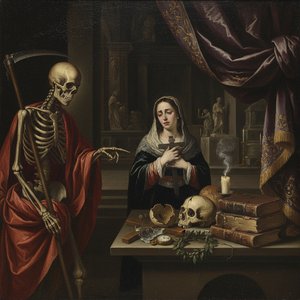
Juan de Valdés Leal: Baroque Realism, Memento Mori & Theatricality of Spanish Grief
Explore the powerful Baroque realism of Juan de Valdés Leal (1622-1690). Discover his somber masterpieces, iconic 'In Ictu Oculi', and profound explorations of mortality. Museum-quality reproductions available at OriginalUniqueArt.