

 实景预览
实景预览
 发送
发送 分享
分享
 详情
详情 指南
指南

 下载图片
下载图片
 相似作品
相似作品 X射线
X射线 幻灯片播放
幻灯片播放 统计数据
统计数据Bust of a Lady


 阅读全文
阅读全文
艺术微喷/版画
博物馆级艺术微喷或帆布版画,制作高效,并提供多种饰面选择。 ( 订购此收藏品的纯手工复刻画作 切换至数字图像销售渠道)




P118B $10

P118H $10

P118W $10

P438Z $10

P508JH $12

P508YH $12

P805H $10

P805Z $10

P919BZ $10

P919G $10

P919XJ $10

P959ZH $10

P968JZ $12

W106C $8

W218G $10

W218JH $8

W218Y $10

W307PJ $10

W316G $10

W316PJ $8

W316Y $10

W398PJ $8

W4111J $10

W500HY $15

W500JH $15

W692G $12

W849H $8

W940BG $15

W953PJ $8




您可以从与原作比例一致的预设尺寸中进行选择。

您可以输入自定义尺寸,以适配特定的画框或空间。如果您选择的尺寸与原图比例不符,我们将对作品进行裁剪,或通过镜像填充/纯色填充边缘的方式来扩展图像。在开始制作之前,我们会向您发送一份数字效果图供您确认。
请注意,屏幕上的预览并不能反映实际的裁剪或扩展效果。只有效果图才能准确展示最终的构图。
虽然我们提供定制尺寸,但为了保持原图比例,我们建议您从预设列表中选择尺寸。


 玻璃选项仅适用于110厘米以下的尺寸。

Bust of a Lady
艺术微喷/版画
复刻品尺寸说明
-


总计金额
$ 80
Francesco Laurana’s Bust of Lady: A Renaissance Echo in Gothic Tradition
The artwork presented here – Francesco Laurana's “Bust of Lady” – stands as a poignant testament to the artistic dialogues that characterized the late fifteenth century. Produced around 1487, this marble sculpture embodies the complex interplay between the stylistic conventions of Gothic art and the burgeoning humanist spirit of the Renaissance, marking a pivotal moment in European artistic history. While Laurana’s oeuvre remains largely enigmatic due to the absence of signatures or precise dating—a frustrating challenge for scholars attempting to pinpoint its exact provenance—the bust itself speaks volumes about the prevailing aesthetic sensibilities of its time.A Synthesis of Styles: Gothic Influence and Renaissance Naturalism
Laurana's artistic lineage is firmly rooted in German art, specifically the Mainz school under Mathis Nithart, where he honed his skills amidst a tradition deeply invested in meticulous detail and expressive realism. However, Laurana wasn’t merely replicating established forms; he actively wrestled with them, incorporating elements of Gothic sculpture – notably the stylized drapery and subtle modeling – into compositions infused with Renaissance ideals. This fusion is particularly evident in the bust's serene countenance and delicately rendered facial features, reflecting a desire to portray human beauty with unprecedented accuracy—a hallmark of humanist thought that championed observation and anatomical precision. The artist skillfully captures the essence of his subject, conveying not just physical likeness but also an intangible quality of contemplative grace.Technique and Material: Marble as Medium for Spiritual Reflection
Laurana’s mastery lies in his command of marble – a material chosen not only for its durability but also for its ability to convey texture and luminosity. The sculptor meticulously carved the marble, utilizing techniques honed over years of experience, resulting in surfaces that shimmer subtly with reflected light—a deliberate choice designed to imbue the sculpture with an aura of ethereal beauty. Close examination reveals subtle gradations of tone and shading, demonstrating Laurana’s dedication to achieving a lifelike representation of form. The polished surface enhances the visual impact, emphasizing the sculptural qualities of the piece and highlighting the artist's meticulous attention to detail.Historical Context: Venice and Artistic Rivalry
Laurana worked primarily in Venice during the Venetian Renaissance, a period marked by intense competition between Italian masters like Botticelli and Michelangelo and their northern counterparts. This rivalry fueled innovation and experimentation, pushing artists to redefine artistic boundaries and explore new expressive possibilities. Laurana’s work reflects this dynamic environment, demonstrating an awareness of prevailing stylistic trends while simultaneously asserting his own distinctive vision—a testament to the enduring power of individual creativity within a broader cultural context. The bust's creation coincided with a period of significant intellectual ferment, mirroring the humanist fascination with classical ideals and the burgeoning interest in portraying human emotion with psychological depth.Symbolism and Emotional Impact: Serenity and Contemplation
The “Bust of Lady” transcends mere visual representation; it embodies profound symbolic meaning rooted in the humanist preoccupation with virtue and inner beauty. The woman’s gaze—directed inward—suggests a state of contemplative serenity, reflecting the Renaissance belief that true nobility resided not merely in outward appearance but also in moral character. Laurana's sculpture invites viewers to contemplate themes of grace, dignity, and spiritual contemplation – qualities prized by humanist thinkers who sought to elevate human experience beyond the confines of earthly concerns. The bust’s stillness speaks volumes about its emotional impact—a timeless reminder of the enduring fascination with capturing the essence of human emotion through art.Conclusion: An Artistic Legacy Preserved in Marble
Francesco Laurana's “Bust of Lady” remains a captivating enigma, yet its artistic merit is undeniable. It stands as a remarkable achievement of Renaissance craftsmanship, skillfully blending Gothic tradition with humanist ideals—a testament to the transformative power of artistic dialogue and the enduring beauty of marble sculpture. Its serene expression and meticulous detailing continue to inspire admiration and offer insight into the artistic sensibilities of a pivotal era in European art history.艺术家简介
汉斯·梅姆林:连接哥特式与文艺复兴的桥梁
汉斯·梅姆林,这位大约生于1430年、在莱茵兰腹地诞生,却在1494年悲剧性地消逝的历史人物,代表着欧洲艺术中一个迷人的十字路口。他常被归类为早期尼德兰画家,但梅姆林的职业生涯拒绝简单的标签化,它完美地融合了哥特式的细腻情感与文艺复兴蓬勃发展的自然主义和人文理想。他的生命故事交织着那个时代的艺术潮流——那是一个意大利大师与其北方同行之间激烈竞争的时期,也是一个艺术优先事项逐渐转移的阶段,最终将永远重塑欧洲绘画的面貌。
梅姆林早期的学徒经历仍笼罩在一层神秘的面纱之下,尽管普遍认为他曾在美因茨或科隆开始学徒生涯,很可能是在马蒂斯·尼塔特大师的指导下。这段经历使他接触到了德国艺术丰富的传统,其特点是对细节的一丝不苟的关注和对象征性表述的偏爱。然而,大约在1455年至1460年间,梅姆林前往北方布鲁塞尔,在那里度过了数个塑造人生的岁月,并在罗吉尔·凡德韦登的工作室学习——后者可以说是他那个时代最具影响力的画家。凡德韦登对现实主义的掌握,尤其是在描绘衣褶和人体解剖学方面的成就,无疑塑造了梅姆林的艺术发展。正是在这段时期,梅姆林磨练了自己的技艺,学会了以惊人的精确度来描绘复杂的构图,并融入了凡德韦登光影运用上的精妙技巧。
到1465年,他在布鲁日站稳脚跟后,迅速成为这座城市最受追捧的艺术家之一。布鲁日作为一个繁荣的贸易和商业中心,在那个时代是艺术活动的枢纽,吸引了渴望委托制作精美宗教画作和虔诚作品的富裕赞助人。梅姆林的工作室蓬勃发展,雇佣了众多助手,并创作出大量作品,这些作品彰显了他的多才多艺和精湛的技术。他的题材范围极广,从宏伟的祭坛画——例如为布鲁日圣约翰医院绘制的纪念性《最后的审判》(约1470-1473年)——到描绘圣母玛利亚与幼年耶稣亲密互动的虔诚小幅画,这些作品常常伴随着显赫的捐赠者肖像。这些捐赠者肖像,是梅姆林风格的一个标志性特征,尤其值得关注;它们不仅是虔诚信仰的表达,也是财富和社会地位的微妙展示。
风格的融合:哥特根源与文艺复兴的影响
使梅姆林的艺术独树一帜的是它惊人的能力,能够将晚期哥特式的风格元素与新兴的文艺复兴原则完美地融合在一起。虽然他对前辈们的传统怀有深厚的敬意——特别是德国绘画所特有的一丝不苟的细节、丰富的象征意义和华丽的装饰性——但他同时也拥抱了文艺复兴对自然主义、透视法和人类情感的强调。他的人物拥有一种宁静的尊严和几乎可以触摸到的平静感,这反映出与早期哥特艺术中流行的更具风格化和情绪化的描绘方式的脱离。他作品中的衣褶描绘得栩栩如生,以惊人的准确性捕捉了布料的褶皱和质地。此外,梅姆林对光影的运用营造出一种深度和体积感,为他的画作增添了超凡的幻觉质感。
梅姆林的影响力可以从后世艺术家的作品中窥见一斑。他对细节的执着关注以及无缝融合哥特式与文艺复兴元素的能力,为盛期文艺复兴时期北方欧洲绘画的发展铺平了道路。他的工作室尤其成为了许多有才华的画家接受训练的场所,他们后来建立了自己的事业——这证明了梅姆林作为老师和导师的卓越才能。
杰作:技艺与赞助的见证
梅姆林的几幅画作为我们提供了洞察其艺术风格和所获赞助的引人入胜的视角。《最后的审判》,由布鲁日圣约翰医院委托创作,是一件宏伟的作品,展示了他对构图的精湛掌握,以及以清晰和优雅的方式传达复杂神学主题的能力。这幅画气势磅礴的规模和鲜艳的色彩立刻吸引了观者的目光,而其错综复杂的细节——从受难者翻滚的衣袍到得救者宁静的面容——都揭示了梅姆林对细节无与伦比的关注。
其他值得注意的作品包括《天使报喜》(约1437-1446年),这是描绘天使加百列宣布玛利亚即将怀孕的精致绝伦的场景;以及《东方三贤士朝拜》(约1488-1490年),这幅装饰华丽的面板颂扬了关于三位智者拜访幼年耶稣的圣经故事。《圣母子与圣詹姆斯和圣多明各》(约1480–1489年)是梅姆林以一种宁静尊严描绘宗教人物的另一个典范,而他的《基督受难场景》(约1470-1473年)则提供了对耶稣生平关键事件深刻而富有情感共鸣的描绘。
遗产与历史意义
尽管拥有非凡的天赋和丰硕的创作成果,汉斯·梅姆林的伟大声誉在他于1494年去世后,曾被世人遗忘了数个世纪。直到19世纪后期,学者们才开始认识到他作为欧洲绘画发展关键人物的重要性。如今,梅姆林越来越多地被视为哥特式与文艺复兴时期的一座桥梁——一位巧妙地综合了两大传统风格元素,并创造出具有持久美感和技术光辉的作品的艺术家。他的画作为我们提供了一扇观察15世纪欧洲艺术和文化图景的宝贵窗口,揭示了塑造西方艺术史进程的复杂影响交织。
梅姆林的故事提醒着我们,艺术的天才往往源于意想不到的地方——在这种情况下,它诞生于布鲁塞尔一位著名大师的工作室。他的生平和作品持续地迷恋和激励着艺术家和艺术史学家们,巩固了他在早期尼德兰绘画史上最重要的地位之一。

弗朗切斯科·劳拉纳
1430 - 1502 , 克罗地亚
快速概览
- Artistic Movement Or Style: 早期尼德兰绘画
- Artists Or Movements Influenced By This Artist: ['早期尼德兰绘画']
- Artists Who Influenced This Artist: ['罗吉尔·凡德韦登']
- Date Of Birth: 约 1430 年
- Date Of Death: 1494年8月11日
- Full Name: 汉斯·梅姆林
- Nationality: 佛兰芒
- Notable Artworks:
- 最后的审判
- 受难场景
- 贤士朝拜
- 天使报喜
- 圣母与圣子
- Place Of Birth: 德国塞利根施塔特
相关文章

The Enduring Allure of Marble in Art History: From Classical Sculpture to Modern Abstraction
Explore the captivating history of marble sculpture from ancient Greece to modern art. Discover renowned artists like Canova & Michelangelo, carving techniques, and investment insights at OriginalUniqueArt.
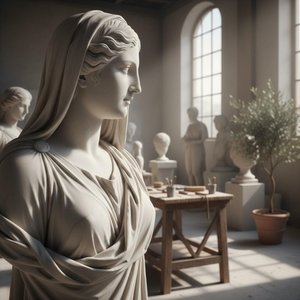
Timeless Elegance: A Complete Guide to the Sublime Beauty and Artistry of Marble Sculpture
Discover the sublime beauty of marble art through an expert exploration of Renaissance and Neoclassical masterpieces. From the delicate textures of Carpeaux to the grandeur of Sansovino, immerse yourself in a guide to timeless elegance and sculptural perfection.

Bronze Sculptures That Defined Art History | OriginalUniqueArt
Journey through art history with our Top 10 bronze sculptures! Explore masterpieces by Rodin, Michelangelo & more. Discover stories behind iconic statues and find museum-quality reproductions for your home decor at OriginalUniqueArt.com.

The Enduring Form: Sculpture Across History, Technique & Emotional Resonance
Explore the rich history of sculpture with OriginalUniqueArt. Discover key techniques, influential artists & investment potential for discerning collectors. Expert insights into valuing and collecting timeless masterpieces.

The Enduring Form: Exploring Themes & Techniques in Sculpture Across Historical Periods
Explore the rich history of sculpture from ancient masterpieces to contemporary innovations. Discover key techniques, influential artists & investment potential for discerning art collectors.
